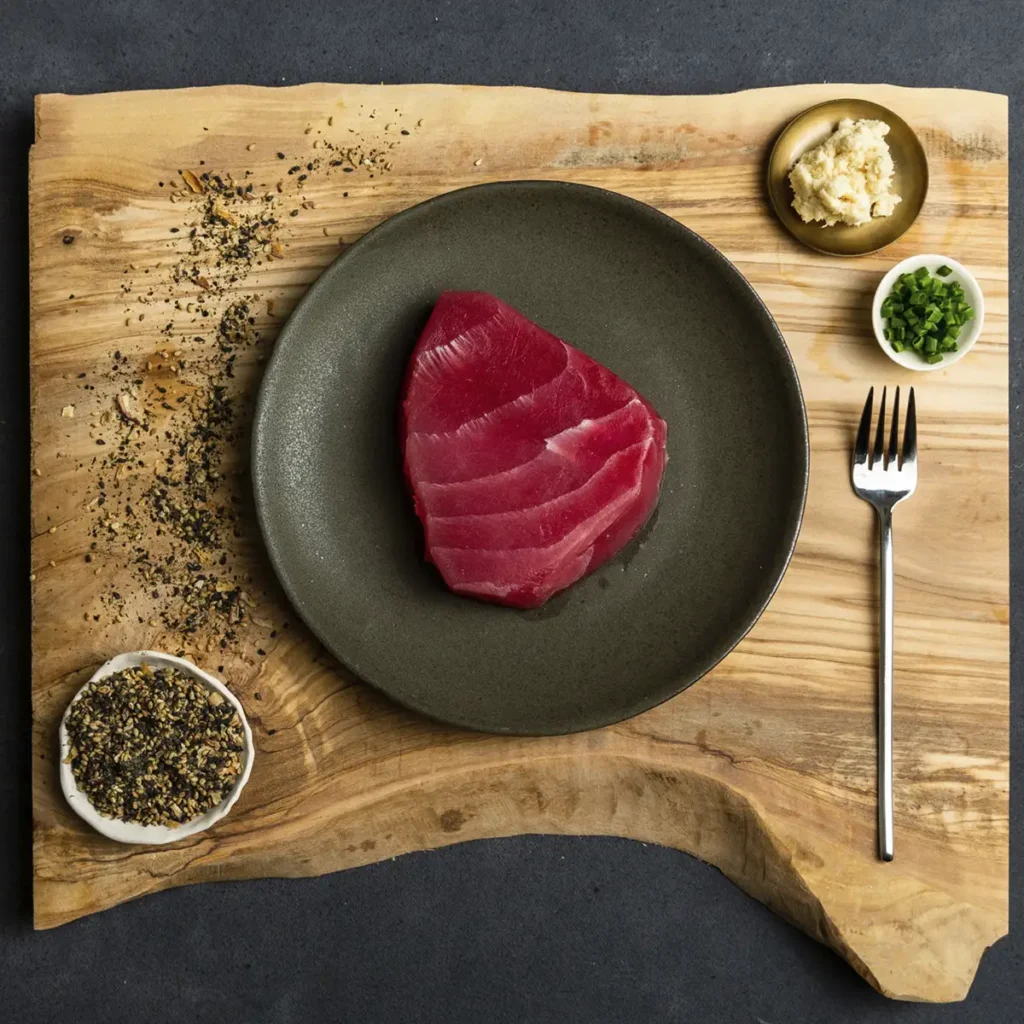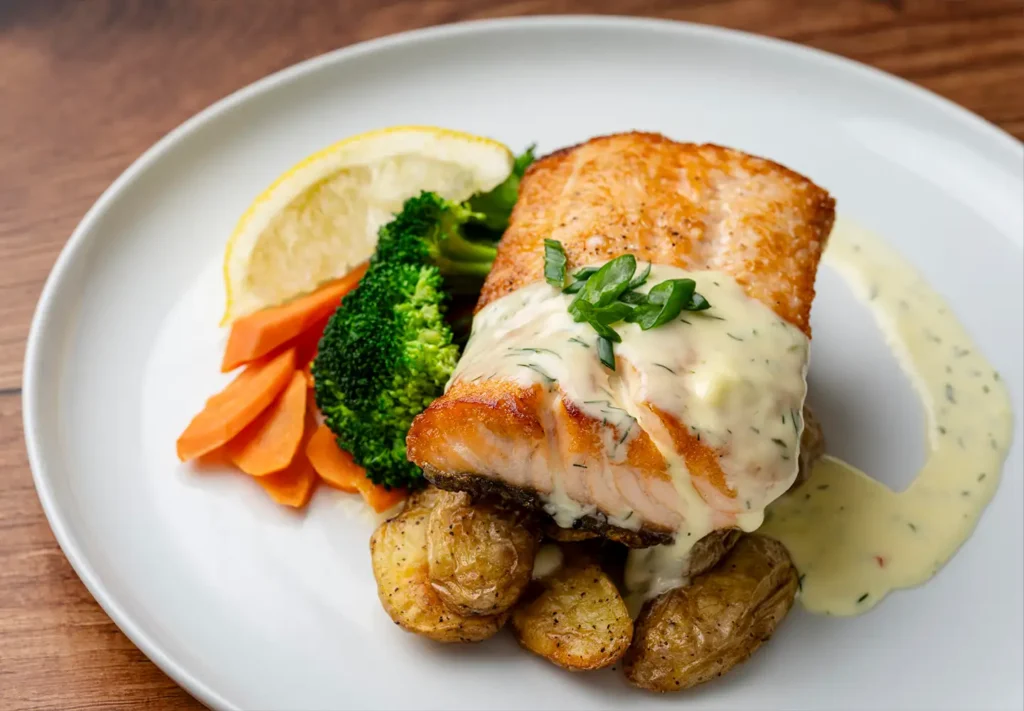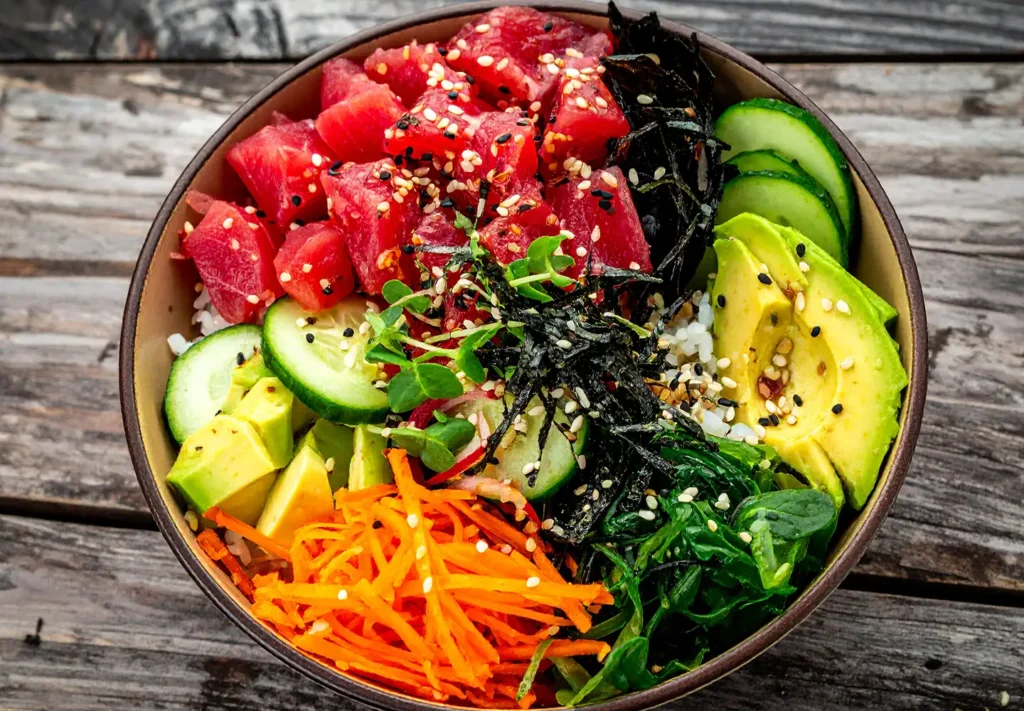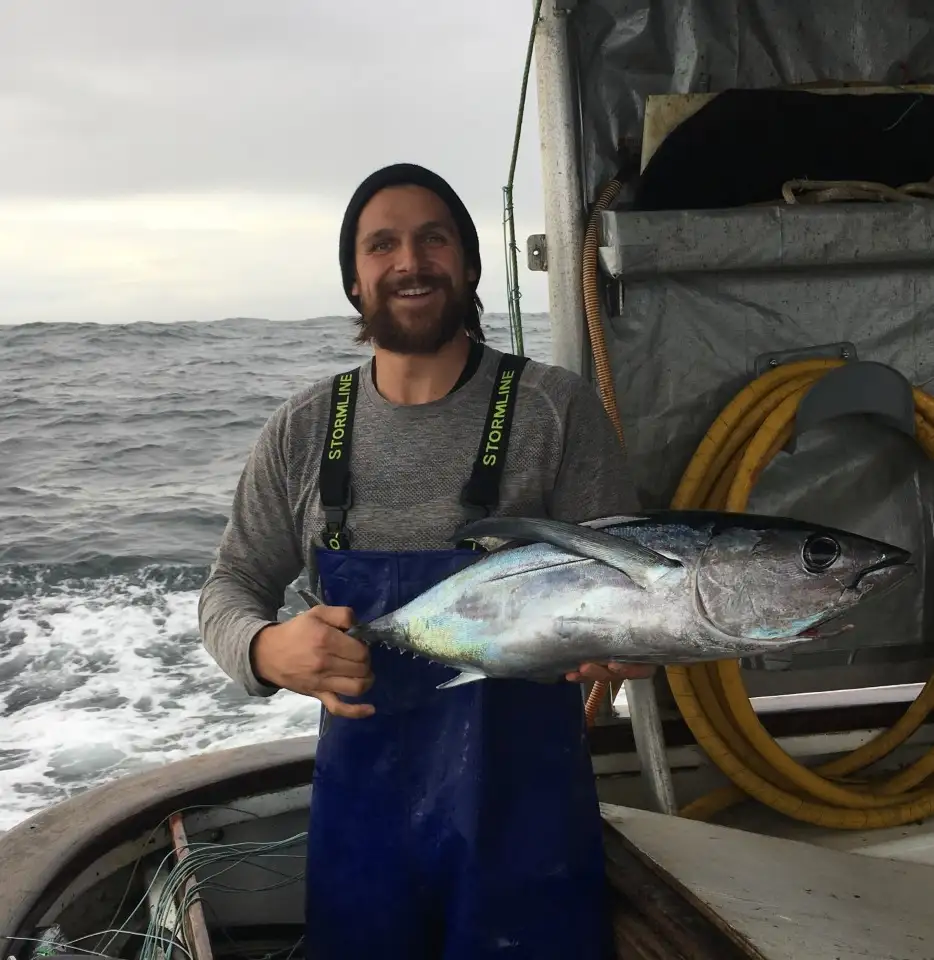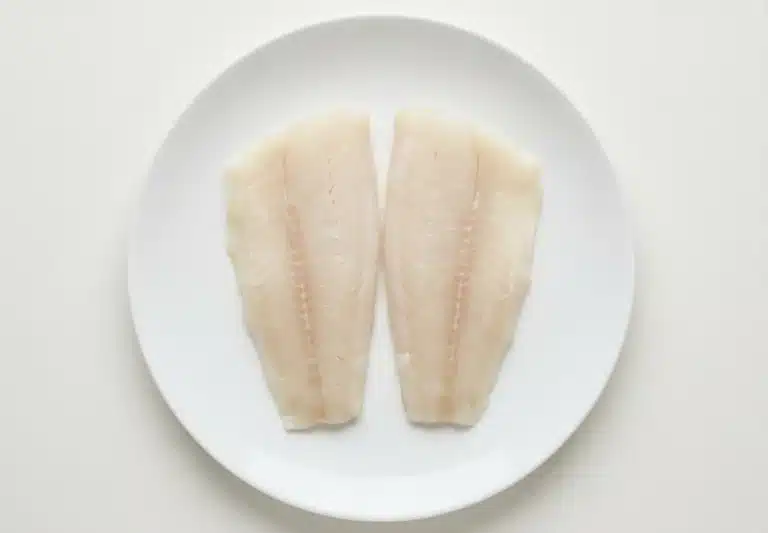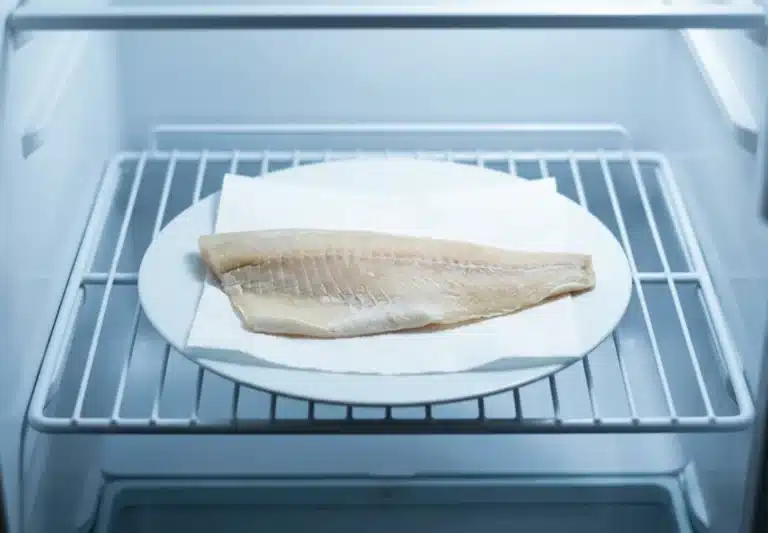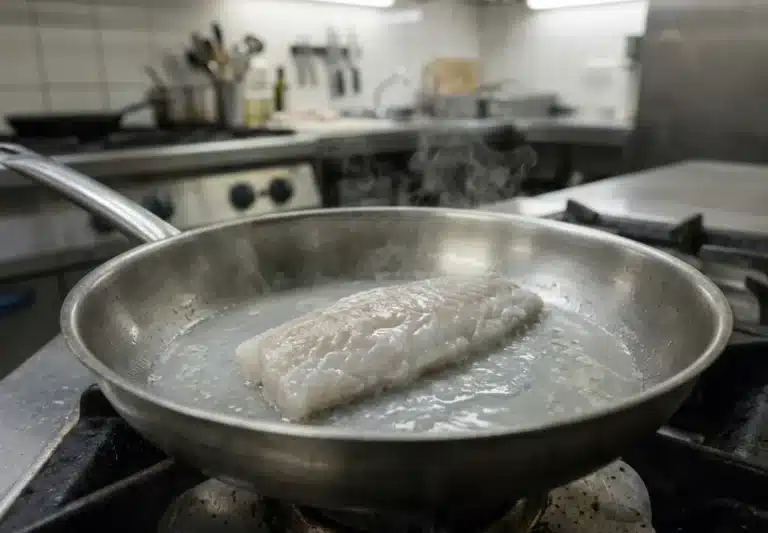
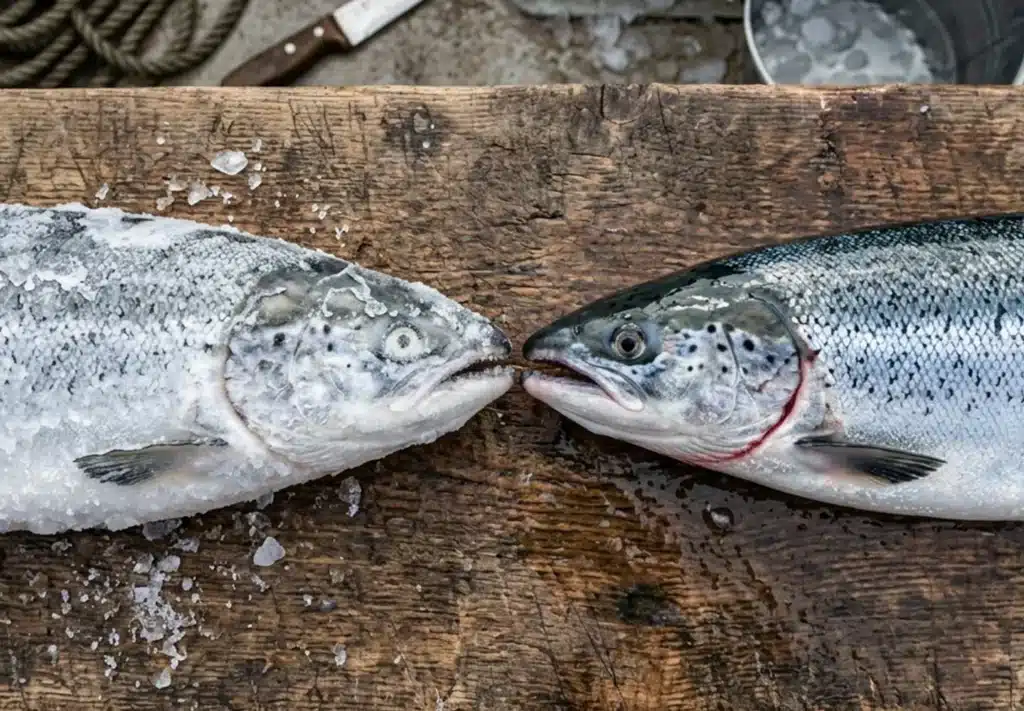
There’s a quiet assumption built into the word “fresh.” Fresh bread is better than week-old bread. Fresh coffee beats stale coffee. Fresh herbs, fresh produce, fresh anything. So when someone tells you fresh fish beats frozen, the logic seems airtight.
The problem is that seafood doesn’t work the way we assume it does. Fresh vs frozen fish is not a question about labels. It’s a question about what happened to the fish between the water and your kitchen: how quickly it was handled, how cold it stayed, how far it travelled, and whether any of that was done well. Once you understand that, the whole conversation changes.
Why “fresh” doesn’t mean what you think
In the seafood industry, “fresh” is a legal term with one meaning: the fish has not been frozen. It says nothing about how recently it was caught, how carefully it was handled, how far it travelled, or how long it waited in a display case before you picked it up.
A fish caught in the North Atlantic, loaded onto a trawler, trucked to a processing facility, distributed to a regional warehouse, shipped to a grocery store, and displayed for two days arrives at your counter labelled fresh. That fish might be four or five days out of the water by the time you see it. The label does not change that.
Frozen seafood operates on a different logic. Quality frozen fish typically goes into the freezer within hours of harvest, sometimes on the boat itself, at temperatures well below -18°C. That process stops the clock. Whatever condition the fish was in at the moment of freezing is what reaches your kitchen — and on a well-run vessel, that condition is as close to peak quality as a fish gets.
This is why frozen seafood surprises people. The Food and Agriculture Organization’s technical guide on freezing and refrigerated storage in fisheries explains the underlying science: rapid freezing produces small ice crystals that cause minimal damage to muscle cell walls, while slow freezing allows large crystals to form that puncture cells and cause significant moisture loss during thawing. The difference between a fish frozen quickly at sea and a fish frozen slowly in a commercial chest freezer shows up directly on your plate.
What actually determines fish quality
Fresh vs frozen is one variable. There are several others that matter more.
Time since harvest. Fish begins to degrade immediately after death. Enzymes start breaking down muscle tissue. Bacteria multiply. Every hour between the water and your kitchen is an hour of change. A fish frozen within hours of being caught has had less time to degrade than a fish that spent four days in transit.
Temperature control. Cold slows everything: bacterial growth, enzymatic breakdown, oxidation. According to the BC Centre for Disease Control’s fish storage guidelines, fresh fish quality is best preserved between -1°C and 2°C. Frozen fish should be held at -18°C or colder. Storage at -27°C or below extends quality life to one or two years.
Here’s where most people get tripped up: home refrigerators typically run between 3°C and 5°C. That’s safe, but it’s already warmer than the ideal range for fresh fish. Texture softens. Moisture releases. Quality fades faster than expected. A piece of fresh fish held at 4°C for two days is not in the same condition as it was when it left the water.
Handling. Rough handling breaks down muscle structure. Damaged muscle leaks water during thawing and cooking. What should have been a firm, clean fillet becomes soft and wet.
Freezing method. Not all frozen fish is the same. IQF (individually quick frozen) seafood freezes individually at extremely low temperatures in a matter of minutes, producing small ice crystals that preserve cell structure. Fish frozen slowly in blocks develops larger crystals that damage texture irreversibly. Our guide on what freezing really does to seafood goes deeper on the science of what happens to fish at the molecular level during freezing and thawing.
What good packaging and thawing do
Packaging. Air is the enemy of frozen fish. Proper vacuum-sealed packaging protects against freezer burn, oxidation, and dehydration. Ice crystals on the surface of packaging are often a sign that temperature fluctuations have occurred somewhere in the supply chain.
Thawing. A perfectly handled, perfectly frozen fish can still be ruined at this stage. How to thaw correctly is covered in detail in our guide on how to thaw frozen fish without ruining it.
Fresh vs frozen fish: what the nutrition research says
The persistent idea that freezing strips nutrients out of fish isn’t supported by the evidence.
According to Health Canada’s fish and shellfish nutrient data, fish is a significant source of vitamin D, omega-3 fatty acids (EPA and DHA), selenium, iodine, magnesium, iron, and copper. None of those change meaningfully through proper freezing. A frozen salmon fillet and a fresh salmon fillet from the same fish will have nearly identical nutritional profiles.
What actually degrades nutritional quality is not freezing but oxidation from air exposure, long storage at inconsistent temperatures, and poor handling before or after freezing. Properly frozen seafood, stored correctly, holds its nutritional value almost completely.
Fresh vs frozen fish: texture
This is where people notice the most difference, and where the science is most interesting.
Fish muscle holds a large amount of water inside its protein structure. When that structure is intact, the fish cooks cleanly, holds its moisture, and produces the firm, flaky texture you want. When the structure breaks down, water escapes during thawing and cooking, and what should have been dinner becomes a wet, pale fillet.
Think of fish muscle like a sponge. A healthy sponge holds water. A damaged sponge leaks. The job of good freezing and good thawing is to protect the sponge.
Several things damage that structure:
Temperature fluctuations during storage or transport. Slow freezing that allows large ice crystals to form. Each freeze-thaw-refreeze cycle. Improper thawing that denatures proteins before the fish reaches heat. Excessive storage time, even at correct temperatures.
Fish is more delicate than most proteins because its muscle fibres are finer and its water content is higher than in land animals. That’s why technique matters more with fish than with beef or chicken: there is less margin for error, and the plate shows it.
If you want the full breakdown of what happens to fish muscle during the freeze-thaw cycle, our piece on frozen fish quality covers it without getting lost in jargon.
When frozen fish is the better choice
For most Canadians in most situations, well-sourced frozen seafood is the higher-quality option. That’s not a brand position. It follows from the variables above.
Frozen makes more sense when:
Your cooking schedule is flexible. Fresh fish needs to be cooked within a day or two of purchase. Frozen fish waits for you. That flexibility changes how often people actually eat seafood rather than throwing it out.
Portion control matters. With IQF products, you pull exactly what you need and return the rest to the freezer. Nothing goes off. Nothing gets thrown out.
You live inland. The further from the coast, the longer fresh fish has been travelling. In Ontario, Quebec, or the Prairies, “fresh” fish at a grocery store has typically been in transit for days. Properly frozen seafood processed at the source is often the higher-quality product by the time it reaches you.
Predictability counts. Properly frozen seafood from a known source delivers consistent quality. Fresh fish that depends on a long, variable supply chain is not.
When fresh fish makes sense
Fresh fish can be extraordinary. When it’s genuinely fresh, properly chilled, and cooked the same day, the texture and flavour are exceptional.
Fresh makes more sense when:
Cook it the day you buy it. The clock starts the moment the fish leaves cold storage. Fresh is a perishable product on a short timeline, and that timeline begins before you get home.
Raw or barely cooked preparations reward it. Crudo, sashimi, ceviche, and lightly cured preparations depend on texture and flavour that are hard to replicate with anything other than truly fresh fish, though properly sourced sushi-grade frozen fish is a credible alternative. Our guide to what is sushi grade fish covers that distinction in detail.
You know your source. The label “fresh” tells you nothing on its own. A fishmonger or producer who can tell you when the fish was caught, how it was handled, and how long it’s been sitting means everything. That information is almost impossible to get from a supermarket display case.
The key word in all of this is genuinely. Fresh fish that spent four days in transit is a different product from fish that came off a boat this morning. One is worth the premium. The other is not.
If you’re buying fresh, knowing what to look for matters. Our guide on how to tell if fish is fresh covers the visual and sensory indicators for whole fish and fillets.
Fresh vs frozen fish across Canada
Geography changes this calculation more than anything else.
In Atlantic Canada, fresh seafood is genuinely accessible. The infrastructure exists, the distance is short, and you can buy fish that came off a boat the same morning. When that’s on offer, it’s worth taking seriously.
In Ontario, Quebec, the Prairies, and most inland regions, the calculation is different. “Fresh” fish at a grocery store has typically been in transit for several days. Properly frozen seafood processed at the source is often the better product by the time it reaches the shelf.
If you’re buying seafood online, which is increasingly how Canadians get quality seafood regardless of where they live, our guide to buying seafood online covers what to look for from an online supplier before you place an order.
How to tell good frozen fish from poor frozen fish
Quality frozen seafood looks clean, feels firm after thawing, and smells like cold ocean water.
Signs of well-handled frozen fish: tight, intact packaging with no tears; minimal frost on the outside of the bag; no large ice crystals inside (temperature fluctuation); no white or grey patches on the flesh (freezer burn); firm texture after thawing; mild, clean smell.
Signs of poorly handled frozen fish: broken or compromised packaging; heavy frost throughout; large visible ice crystals on the fish surface; grey or white patches on the flesh; mushy or watery texture after thawing; sharp or ammonia-like smell.
The most common cause of poor frozen fish quality is temperature abuse somewhere in the supply chain, not the freezing process itself. Ice crystals are usually a symptom of that problem, not the cause.
For everything you need to know about keeping frozen seafood at peak quality once you get it home, our guide on how to store frozen fish covers temperatures, packaging, storage times, and what to do when something doesn’t look right.
Fresh vs frozen fish: a practical comparison
| Situation | Better choice | Why |
|---|---|---|
| Cooking same day, local source | Fresh | Excellent when genuinely fresh |
| Flexible cooking schedule | Frozen | Cook when you want, not when the fish demands it |
| Buying far from the coast | Frozen | Quality locked in closer to harvest |
| Portion control and reducing waste | Frozen | Pull exactly what you need |
| Raw or barely cooked preparations | Either, sourced properly | Sushi-grade frozen is a credible option |
| Budget-conscious weeknight cooking | Frozen | Better value and longer shelf life |
The actual answer
The fresh vs frozen fish debate is mostly a debate about supply chains dressed up as a debate about labels. Both can be excellent. Both can be poor. Neither is automatically better.
What determines quality is the work done between the water and your kitchen. The temperature control. The handling. How quickly someone froze it and at what temperature. How long it sat in a display case instead. What packaging protected it. Whether anyone along that chain actually cared about getting it right.
Good seafood, fresh or frozen, is traceable. You should be able to find out where it came from, how it was handled, and why the seller chose it. If that information isn’t available, the label tells you very little. If it is, the label barely matters.
Our online market carries seafood frozen at peak quality and shipped across Canada. For practical ways to cook what you buy, our recipe collection is built around weeknight cooking with the products we carry.