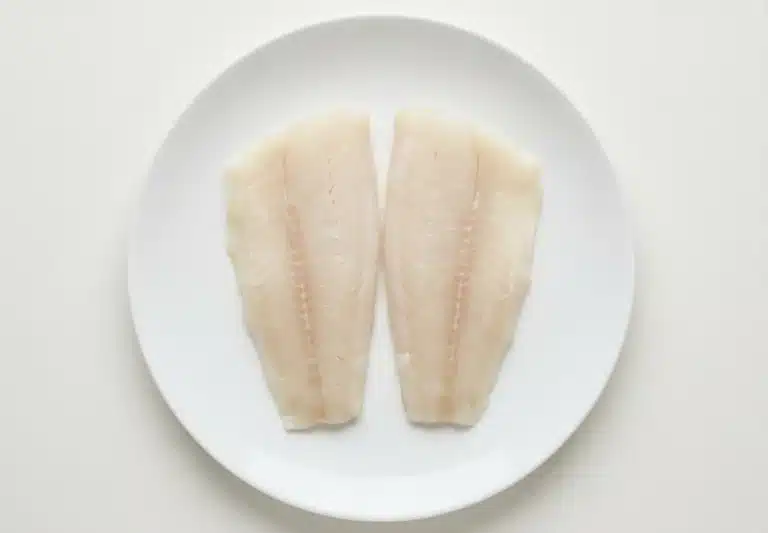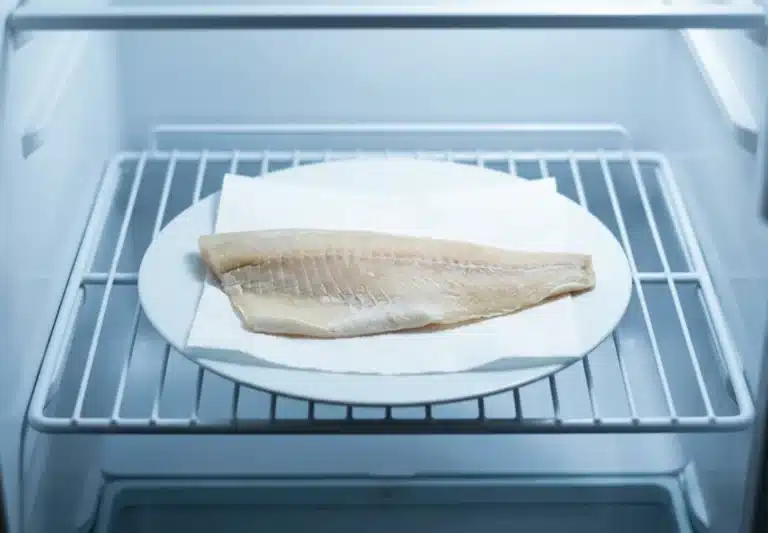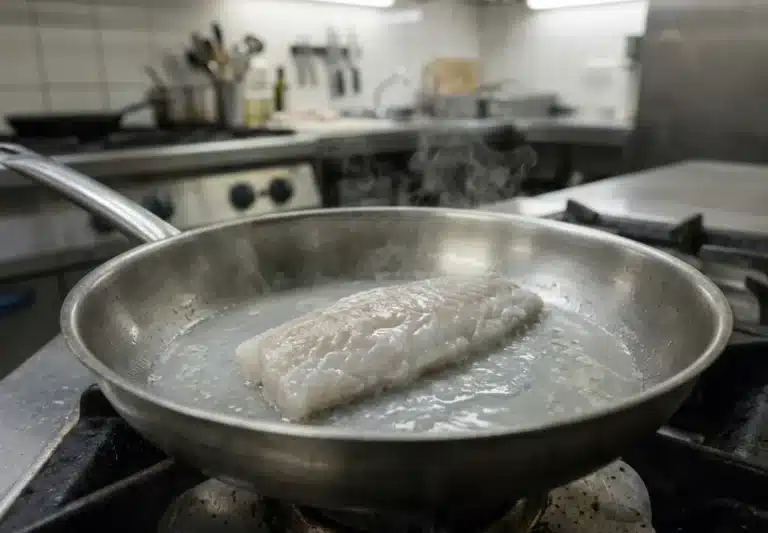
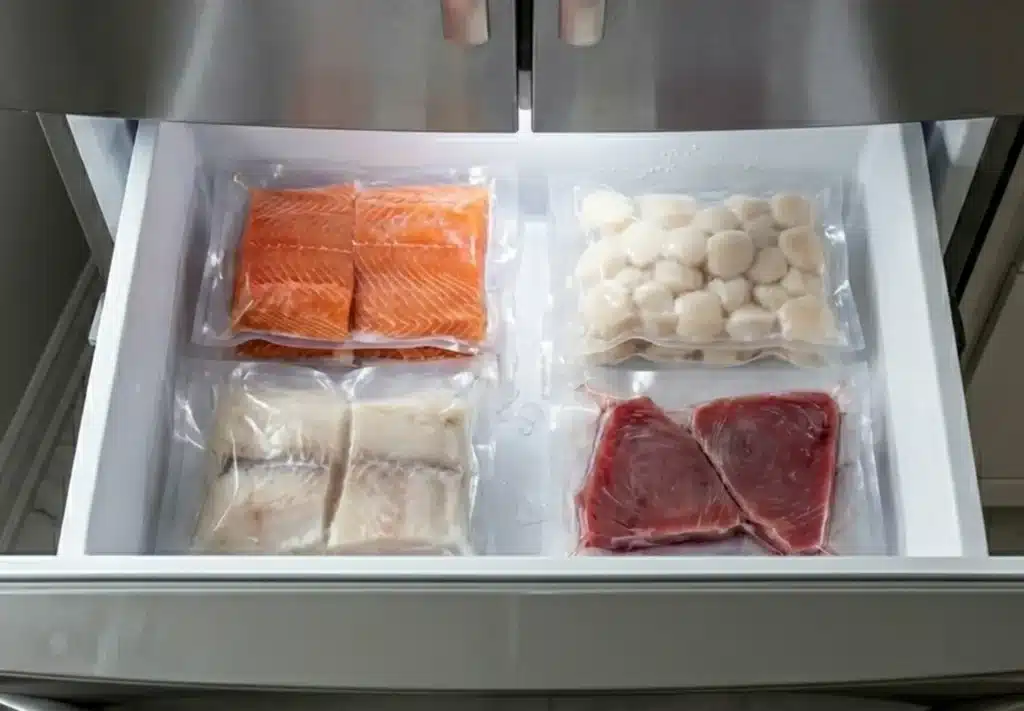
You thawed a good fillet for Thursday. Thursday turned into takeout. Now it is Friday, the fish is still sitting in the fridge, and you are stuck on the only question that matters: can you refreeze fish, or do you throw it out?
Short answer: sometimes, yes. If the fish thawed in the fridge and stayed cold the whole time, putting it back in the freezer will not make you sick. What it will do is cost you quality. Every freeze and every thaw takes something out of a fish that the fish does not give back.
That second part is where most advice goes quiet. Plenty of guides tell you whether refreezing is safe and stop there. Safety and quality are two different questions. You deserve the honest answer to both before you decide, because the fish you refreeze on Friday is the fish you eat next week.
Can you refreeze fish safely?
Safety here is not really about the freezer. It is about temperature, start to finish.
Health Canada is blunt in its home food-safety guidance: do not refreeze thawed food. That is the cautious default, and for good reason. Its rule of thumb is to keep your fridge at 4°C (40°F) or lower and your freezer at -18°C (0°F) or lower, which keeps food out of the danger zone between 4°C and 60°C where bacteria multiply fast.
Read the logic behind the rule and the picture gets more useful. The risk comes from warmth and time, not from the act of refreezing itself. Fish that thawed slowly in the fridge and never climbed out of that cold zone has not spent time in the danger zone, so the safety risk stays low. That is why plenty of cooks and fishmongers refreeze fridge-thawed fish without a second thought. Health Canada gives you the strict version because it cannot see your fridge. If you have any doubt about whether the fish stayed cold, take the strict version and toss it.
So, before you refreeze anything, run it through three quick checks:
- Thawed in the fridge and still cold? Low risk. It can go back in.
- Left on the counter, or warm for more than two hours? Do not refreeze it.
- Smells sour or like ammonia, or feels slimy? It is gone. Throw it out and do not taste to check.
When in doubt, your nose and the clock beat wishful thinking every time.
What freezing and thawing actually do to a fish
Here is the mechanism, because once you see it you will never look at a thawed fillet the same way.
Fish muscle is mostly water held inside a structure of proteins. Freeze it and that water turns to ice. Ice takes up more room than liquid water and forms sharp crystals, and those crystals puncture the cell walls around them from the inside. Thaw the fish and the water that used to sit locked inside the cells runs out through those punctures. That puddle in the bottom of the package has a name in the trade: drip loss. It is not just water. It carries dissolved proteins and flavour with it.
Refreeze the same fish and you do it all again, except worse. Slow home freezing grows bigger crystals than the first round, and the proteins themselves start to unfold and lose their grip on water, a process called denaturation. Research on salmon muscle published in LWT – Food Science and Technology points to exactly this: ice-crystal formation drives down water-holding capacity and pushes up drip loss, and fish proteins are more prone to this kind of freeze damage than the proteins in beef or chicken.
Think of a kitchen sponge. A new sponge holds water beautifully because its structure is intact. Wring it out hard a few times and the walls between the pores tear. It still looks like a sponge, but it never grips water the way it used to. Fish muscle is a sponge with thinner walls than most, so it tears faster and shows it sooner. Hold on to that sponge. It explains why some fish survive refreezing and others fall apart.
This is also why commercially frozen fish often beats what you refreeze at home. Flash freezing, the kind behind what IQF (individually quick frozen) really means, drops the temperature so fast that the ice crystals stay tiny and do far less damage. Your home freezer works slowly and grows the big, wall-tearing crystals instead. If you want the longer version of how freezing changes a fillet, we get into it in what freezing really does to seafood quality.
When refreezing is fine, and when to let it go
You do not need a lab to make this call. You need two short lists.
Refreezing is reasonable when:
- The fish thawed in the fridge and stayed below 4°C (40°F) the whole time.
- It is still partly frozen, with ice crystals visible in the flesh.
Refreezing is a mistake when:
- The fish thawed on the counter or sat out for more than two hours.
- It smells off, feels slimy, or is sitting in a pool of cloudy liquid.
- It has already been thawed and refrozen once before.
Notice that only the first list is about safety. Everything on it still costs you texture. The fish will be softer and it will weep more in the pan. Treat refreezing as your backup plan, not your habit.
How to refreeze fish with the least quality loss
If the fish passed the checks and you are refreezing it, a few minutes of care protects what is left:
- Keep it cold. Move fast and never let it warm up on the way to the freezer.
- Pat it dry. Blot the surface with paper towel so there is less water to turn into fresh ice.
- Portion it. Freeze it in meal-sized pieces so you never thaw more than you will cook.
- Wrap it tight. Press out the air and seal it well to keep freezer burn off the surface.
- Label the date. Write it down and eat it within a few weeks, not months.
- Freeze it fast. Put it in the coldest part of the freezer at -18°C (0°F) or lower.
Speed and dryness are the whole game. The faster it freezes and the less loose water it carries, the smaller the crystals and the less the sponge tears. If you are wondering how long you have before refreezing is even on the table, how long fish lasts in the fridge lays out the safe windows.
How different fish handle refreezing
Not every fish takes the hit the same way, and the sponge tells you why. Fat fills in the structure and cushions the damage, so oily fish hold up better than lean ones. A fatty salmon fillet is a dense sponge. A lean cod fillet is a thin, worn one.
| Fish | How it refreezes | What happens | Put it toward |
|---|---|---|---|
| Salmon | Better than most | Fat keeps it moist, though the texture softens | Bowls and cooked dishes |
| Cod | Poorly | Lean flesh sheds water fast and turns watery | Chowders and tacos |
| Haddock | Poorly | Delicate flakes go fragile and break apart | Baked dishes |
| Shrimp | Middling | Can firm up or turn rubbery | Stir-fries and quick meals |
| Mussels | Do not | Texture collapses quickly | Cook them fresh |
The pattern holds across the board. Fat forgives, lean does not, and shellfish have the least to give. If you know you are dealing with a lean fish, plan to hide the texture loss in something saucy rather than showing it off as a centre-of-plate fillet.
A better move than refreezing raw fish
Here is the trick that gets you out of the whole problem: cook the fish first, then freeze it.
Once fish is cooked, its proteins have already set. The structure is stable, so freezing cooked fish does far less damage than freezing raw fish for a second time. You also end up with a meal instead of a maybe. Turn that thawed shrimp into smoky shrimp tacos with lime yogurt slaw and freeze the filling. Cook air fryer salmon bowls that reheat without falling apart. Simmer Thai red curry mussels tonight and fold the leftovers into a soup tomorrow. Crisp up broiled haddock with brown butter breadcrumbs and build next-day lunches around it.
Cook first and the freezer becomes a tool for getting ahead, not a place where good fish goes soft.
Thaw it right and you will not be back here
Most refreezing problems start at the thaw. Get that step right and the Friday-night dilemma mostly disappears.
The best method is the slowest one. Move the fish from freezer to fridge and let it thaw overnight. It stays cold the entire time, which protects both safety and texture and keeps refreezing on the table if your plans change. Need it faster? Seal the fish and sink it in a bowl of cold water, then cook it right away. Never thaw fish on the counter, where the outside sits in the danger zone while the middle is still frozen. For the full walkthrough, read how to thaw frozen fish without ruining it.
It starts with better fish
One more thing the guides skip. How the fish was handled before it ever reached your freezer decides how much abuse it can take afterward.
Fish that was chilled fast and handled with care keeps its protein structure intact, so it holds water and survives the freezer with room to spare. Fish that sat too long, warmed up in transit, or rode through temperature swings shows up already weakened, and it weeps the moment you thaw it no matter how careful you are. That is the real reason two fillets of the same species can behave so differently in your kitchen.
We handle our seafood to protect that structure from the start, so you get a fillet that gives you more margin whether you cook it fresh or freeze it. You can see what is in the shop right now, and if you want a freezer worth refreezing into, the best frozen seafood to keep on hand is a good place to start.
So, can you refreeze fish?
Yes, in the right conditions. If the fish thawed cold and stayed cold, refreezing it is safe. But safe is not the same as good. Every freeze and thaw tears the sponge a little more, drains a little more water, and leaves the fish softer and drier than it was.
So plan ahead, thaw only what you will cook, and when you can, cook the fish and freeze the meal instead. Start with seafood that was handled well, treat the freezer as a backup rather than a habit, and you will trade far less flavour, texture, and money to the cold.