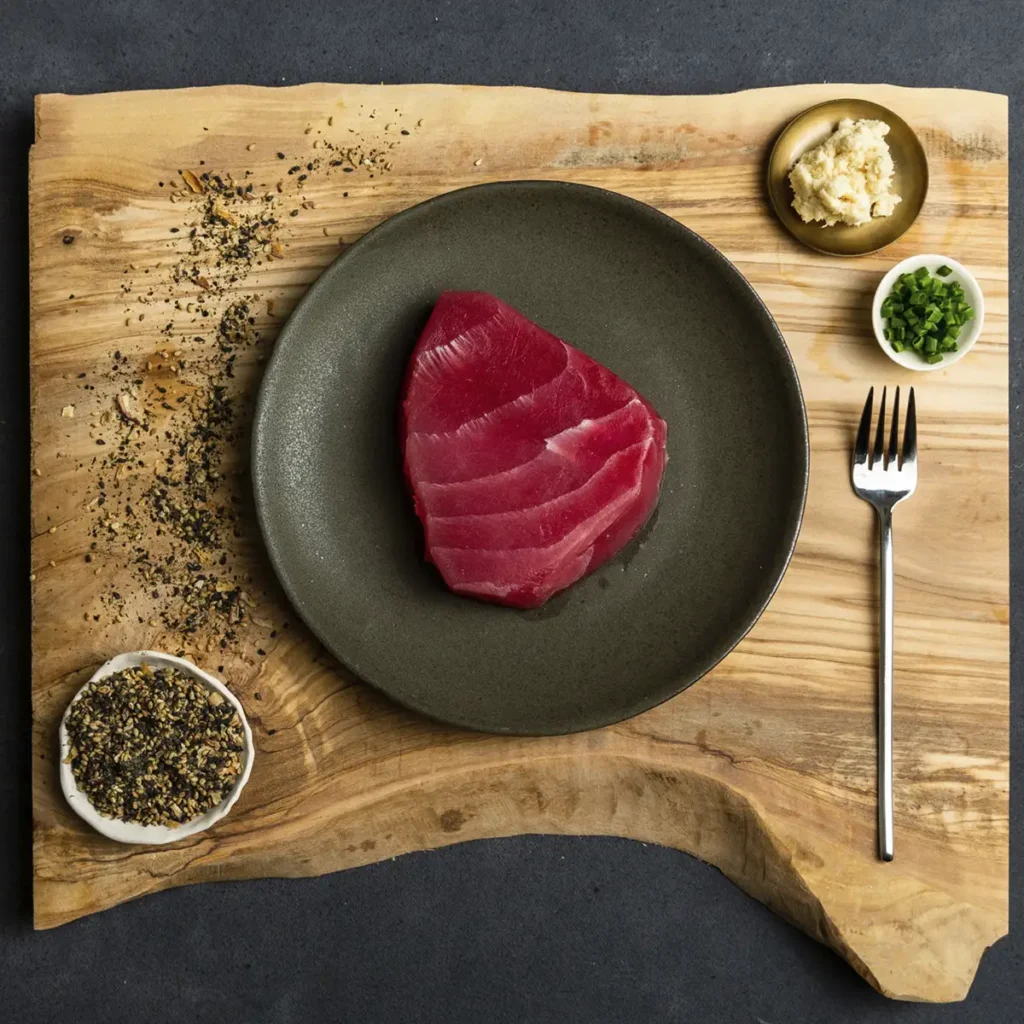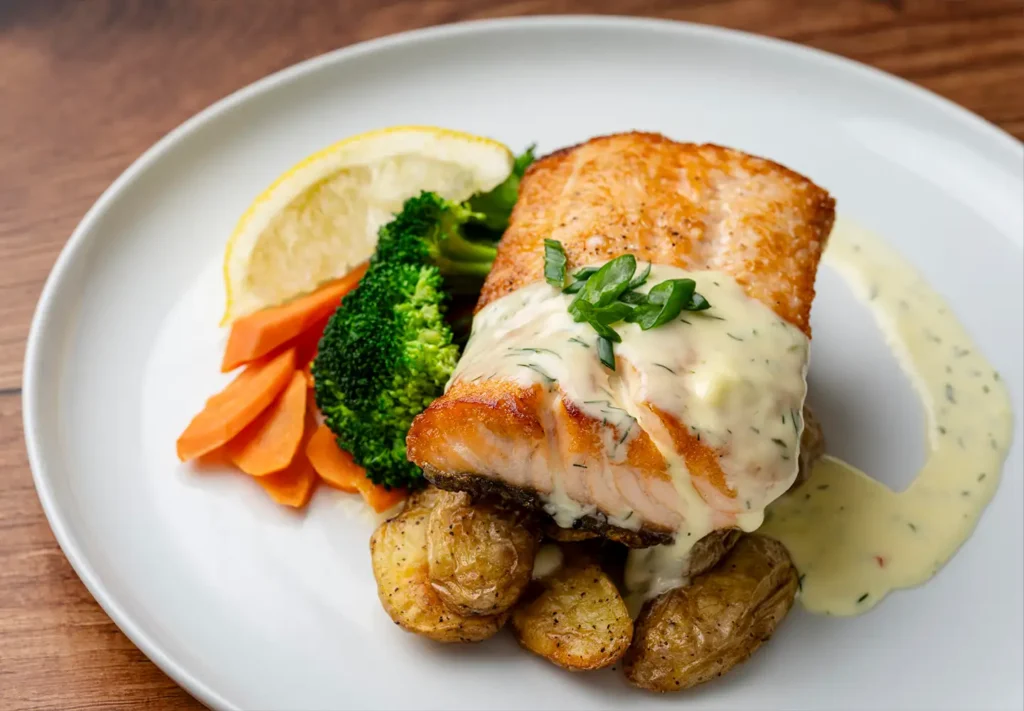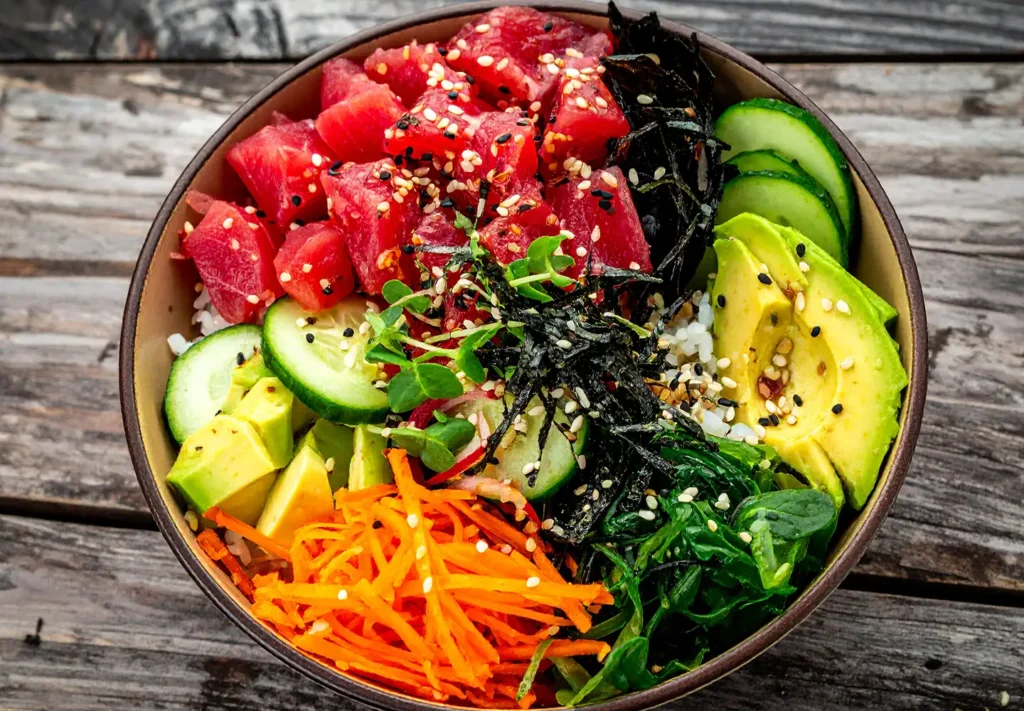

If you are trying to eat healthier, you have likely asked: is fish healthier than chicken?
The answer depends on your goals. Both are excellent protein sources, but they offer different nutritional advantages. Understanding those differences will help you make better choices for your diet.
Is fish healthier than chicken?
There is no single winner.
Chicken is often the better choice for:
- Lower cost
- High protein intake
- Simplicity
Fish is often the better choice for:
- Omega-3 fatty acids
- Micronutrient density
- Long-term health benefits
The best option depends on what you prioritize.
Protein comparison: fish vs chicken
BBoth fish and chicken are complete proteins. This means they contain all essential amino acids needed for muscle repair and overall health. The Food and Agriculture Organization recognizes animal-source foods like fish and poultry as high-quality proteins because of their complete amino acid profiles.
Here is a general comparison per 100g:
| Protein source | Protein | Calories | Fat |
|---|---|---|---|
| Chicken breast | ~31g | ~165 | Low |
| Cod | ~18g | ~82 | Very low |
| Salmon | ~20g | ~206 | Higher |
Nutritional values are approximate and based on standard 100g portions from Canadian Nutrient File (Health Canada) and USDA FoodData Central. Actual values may vary by species and preparation method.
Chicken provides slightly more protein per serving, especially when using lean cuts like breast.
However, fish still provides a strong protein source, especially when considering its additional nutrients such as omega-3 fatty acids and key micronutrients.
Calories and fat content
This is where your choice really depends on how you like to eat.
Chicken breast is lean, predictable, and easy to fit into a calorie-controlled diet. If your goal is to hit a high protein target with minimal fat, it does the job well.
Lean fish like cod and haddock take that even further. They are extremely low in calories, which means you can eat a larger portion and still stay within your target. If you like full plates and simple meals, this can make dieting feel a lot easier.
Fatty fish like salmon work differently. They are higher in calories because of their natural fats, but those fats make a big difference in how satisfied you feel after eating. Instead of feeling like you are cutting back, meals tend to feel more complete.
In practice, it often comes down to this. If you prefer volume and keeping calories as low as possible, lean fish or chicken will fit better. If you struggle with cravings or feeling hungry later, fatty fish can help you stay consistent.
Omega-3s and heart health
This is where fish starts to separate itself in a meaningful way.
Fish, especially options like salmon, mackerel, and sardines, contains omega-3 fatty acids known as EPA and DHA. These are not found in meaningful amounts in chicken, and they play a unique role in your overall health.
The Harvard T.H. Chan School of Public Health highlights that regularly eating fish is linked to better heart health and a lower risk of cardiovascular disease.
The National Institutes of Health also notes that omega-3s help reduce inflammation and support key functions throughout the body.
In practical terms, this is not something you will notice after one meal. It is a long-term benefit. Including fish in your routine a few times a week gives you something that chicken simply does not offer. Chicken is still a strong protein source, but it does not bring this same layer of nutritional value.
Micronutrients: where fish stands out
Fish offers several nutrients that are harder to obtain from chicken alone.
According to the Food and Agriculture Organization, fish is an important source of:
- Vitamin D
- Iodine
- Selenium
These nutrients support immune function, thyroid health, and overall metabolic processes.
Chicken provides important nutrients as well, but it does not match fish in this category.
Which is better for weight loss?
Both can support weight loss.
Chicken breast is highly efficient for protein with minimal calories. This makes it ideal for strict calorie control.
Lean fish such as cod and haddock offer similar benefits, often with even fewer calories.
Fatty fish like salmon can also support weight loss by increasing satiety. This can help reduce snacking and improve consistency.
For a deeper breakdown, see your guide on choosing the best fish for weight loss.
Which is better for muscle building?
Both fish and chicken are great options if your goal is to build muscle. You really do not need to choose one over the other.
Chicken is often the go-to because it is simple and high in protein. If you are trying to hit a specific protein target each day, it makes that easier.
Fish brings something extra to the table. Along with solid protein, it provides omega-3 fatty acids, which may help support muscle recovery and how your body uses protein after training.
A good way to think about it is this. Chicken helps you hit your numbers. Fish helps round out your nutrition.
In practice, the best approach is to use both. Rotate chicken into your regular meals for consistency, and include fish a few times a week to support recovery and overall health.
Cost comparison: fish vs chicken
Chicken is usually more affordable per gram of protein.
Fish can be more expensive, depending on species and sourcing. However, it provides additional nutritional value that is not captured by price alone.
This makes fish less about cost efficiency and more about nutrient density.
When chicken might be the better choice
Chicken is a strong option when:
- You are on a tight budget
- You need high protein at lower cost
- You prefer simple, consistent meals
When fish is the better choice
Fish is the better option when:
- You want to improve heart health
- You need omega-3 fatty acids
- You want more nutrient variety in your diet
The importance of variety in protein sources
One of the most overlooked factors in healthy eating is variety.
Relying only on chicken limits your intake of important nutrients. Including a range of seafood adds diversity to your diet.
Fish is not the only valuable seafood option.
Shellfish like shrimp, mussels, and scallops are also highly nutritious. For example, shrimp is low in calories and high in protein, while also providing important nutrients like selenium and vitamin B12.
The National Institutes of Health notes that seafood, including shellfish, contributes valuable nutrients that support overall health.
This makes seafood as a category a strong complement to traditional protein sources like chicken.
How to include both in a healthy diet
The best approach is not to choose one over the other, but to use both.
A balanced week might include:
- Chicken for cost-effective, high-protein meals
- Lean fish for low-calorie meals
- Fatty fish for nutrient-dense meals
This approach gives you the benefits of each without relying too heavily on one source.
Simple meal ideas
Simple meals make it easier to stick to a healthy routine.
You can try:
- Lemon garlic baked cod with vegetables
- Pan-seared Arctic char with greens
- Grilled salmon with quinoa and roasted vegetables
These meals balance protein, nutrients, and flavour.
How seafood quality affects nutrition
The quality of seafood affects both nutrition and cooking results.
Fish with better handling retains its protein structure and moisture. This leads to better texture and a more satisfying eating experience.
A helpful analogy is a sponge. When the structure is intact, it holds water well. When it breaks down, moisture is lost more easily.
Better quality seafood maintains that structure, improving both taste and consistency.
Sustainably sourced seafood from Afishionado is handled with care to preserve protein quality and freshness, helping you get the most out of every meal. You can explore available options directly through our online fish market.
So, is fish healthier than chicken? Final thoughts
It depends on your goals.
Chicken is efficient, affordable, and high in protein. Fish offers unique health benefits, including omega-3 fatty acids and key micronutrients.
The best choice is not one or the other. It is using both in a balanced way.
When you include a variety of high-quality protein sources, you get better nutrition, better meals, and better long-term results.