Where does haddock come from? In our case, two places: Iceland and Atlantic Canada. If you’ve looked at our product lineup, you’ve probably noticed that our Breaded Haddock and our Haddock Fillets aren’t sourced from the same fishery. That’s not an oversight. It’s a deliberate choice built on what each product actually needs to perform at its best.
The short answer
Our Breaded Haddock uses Icelandic haddock. Our Haddock Fillets use Atlantic Canadian haddock. Both are MSC certified. Both come from cold, well-managed North Atlantic fisheries. The difference is in how each fish performs for its specific use, and that difference is meaningful enough that sourcing everything from one place would mean compromising one of the two products.
Here’s the full version.
Why Iceland for the breaded haddock
The science starts with cold water and slow growth.
Icelandic haddock lives in some of the coldest, cleanest water in the North Atlantic. Fish that grow slowly in cold environments develop denser, firmer flesh than fish from warmer or more temperate waters. The cold slows everything down. The result is a fillet with less intramuscular moisture, tighter muscle fibres, and lower fat content in the flesh itself. This is a characteristic of lean white fish as a category, but it is particularly pronounced in fish from Iceland’s sub-Arctic conditions.
ScienceDirect’s overview of lean fish confirms that marine lean fish like haddock and cod carry a flesh lipid content of 0.1 to 1 percent, with almost all fat stored in the liver rather than the muscle. In Icelandic fish specifically, those numbers skew toward the lower end. The flesh is, by most practical measures, as lean as white fish gets.
That leanness is exactly what you want when you’re building a breaded product.
Why lean flesh makes a better crust
Fat in fish flesh behaves like fat anywhere in cooking: it renders. When a fatty fillet goes into a hot oven or air fryer under a layer of breading, the fat that renders out migrates into the coating. The breading absorbs it. Crisp becomes greasy. Golden becomes soft. The fish-to-crust ratio you engineered falls apart.
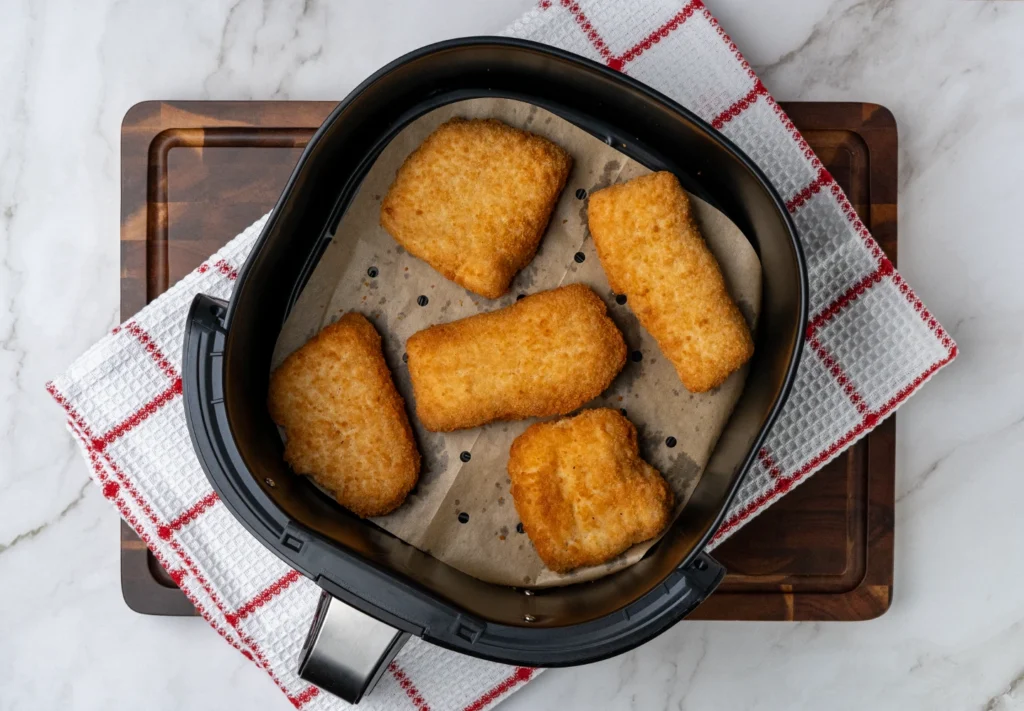
Icelandic haddock doesn’t do that. With minimal render, the flesh stays firm under heat. So the breading can do its job: insulate the fish from direct heat, create a Maillard-browned crust, and hold its structure from oven to plate. A fillet cooked this way stays moist inside because the coating protected it, with a crispy exterior that holds for more than five minutes on a plate.
Getting that fish-to-breading ratio right on our Breaded Haddock starts with choosing the right fish. That’s what the sourcing decision is about.
Handling and sustainability
There’s also the handling. Icelandic haddock is bled on the vessel immediately after being caught, packed in slush ice at sea to protect colour and texture, and processed daily. That cold-chain discipline matters for a breaded product. Moisture or quality degradation in the fillet before processing shows up as inconsistency in the finished crust. Consistent fish means consistent results in your oven.
On the sustainability side: the Iceland Sustainable Fisheries haddock fishery has been independently certified to the MSC Fisheries Standard, the global benchmark for well-managed wild fisheries. That certification covers the fishery we source from.

Why Atlantic Canada for the fillets
The case for Atlantic Canadian haddock starts with something less technical and more honest: this fish has fed this coast for a very long time, and it’s genuinely worth supporting.
A fish with history
Haddock has been caught in Atlantic Canadian waters since the early 1700s, when schooners out of Nova Scotia and New Brunswick began fishing the offshore banks for groundfish alongside cod. In the early decades of the 20th century, there was a substantial shift from the cod fishery toward other groundfish species, especially haddock, with a movement from smaller ports to larger ones like Halifax and Lunenburg. By the time fish and chips arrived in Nova Scotia with British immigrants in the 19th century, haddock was already the obvious candidate for the batter. It remains the default to this day.
In Nova Scotia, haddock isn’t just one white fish option. It’s the white fish. Ask anyone who grew up along the South Shore what fish and chips means, and they won’t hesitate.
That cultural weight matters to us. When we carry Atlantic Canadian haddock, we’re participating in a supply chain that supports independent harvesters fishing the Scotian Shelf, the Bay of Fundy, and the surrounding banks. These are the same grounds that have defined Maritime fishing communities for generations.
Quality and certification
Beyond the history, it’s also just excellent fish. Nova Scotia Seafood confirms that Nova Scotia haddock is harvested from the cold, clean, pristine waters along the coast of the province, and that the Canadian haddock fishery carries MSC certification. According to the Marine Stewardship Council, conservation measures around the Southern Scotian Shelf, the Bay of Fundy, the Gulf of Maine, and Georges Bank have significantly helped to rebuild haddock stocks. The fishery has also reduced bycatch impacts on cod and white hake. Canadian haddock is not just certified. It’s a fishery actively investing in its own long-term viability.
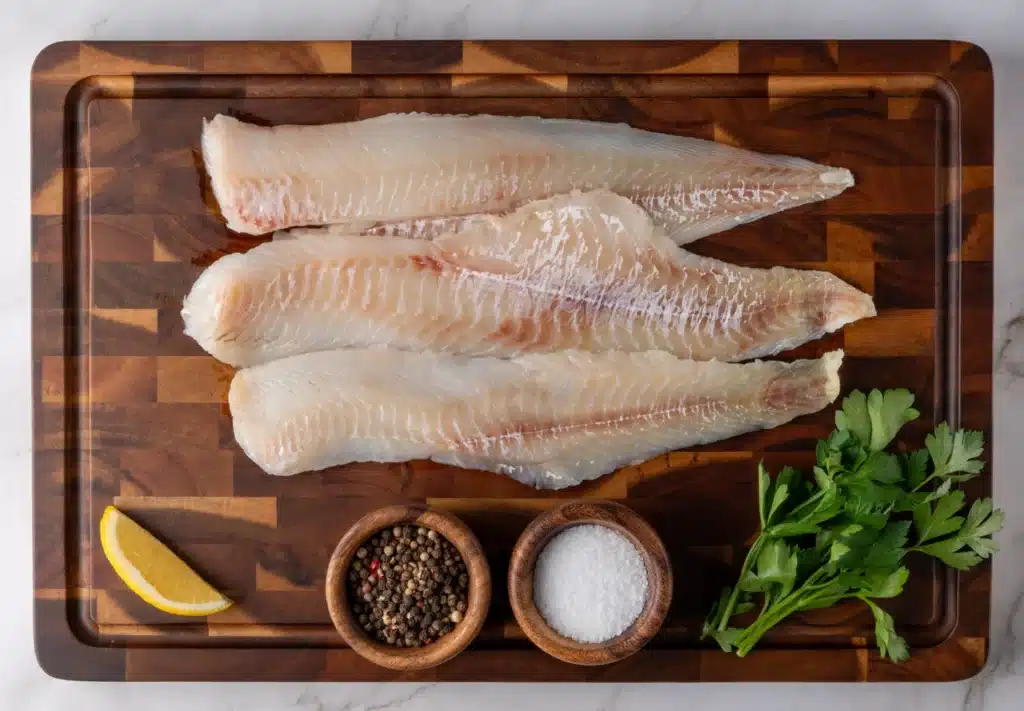
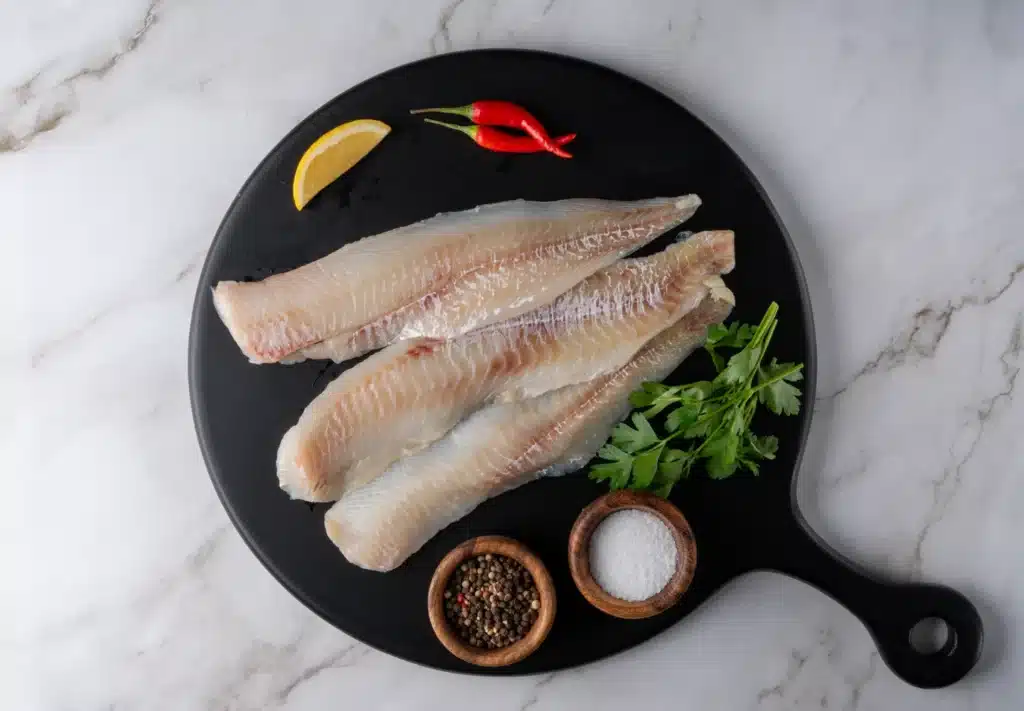
For a plain fillet, Atlantic Canadian haddock delivers exactly what you want: mild, slightly sweet flavour, fine flake, and a clean finish. It poaches cleanly, takes a pan sear well, and holds together in chowder. There’s no need for the specific density of Icelandic haddock here, because there’s no breading to support. For our Haddock Fillets, flavour, texture, and provenance are what matter. Atlantic Canadian haddock delivers on all three.
What both sources have in common
Both fisheries are Ocean Wise recommended and operate under science-based management. They’re cold-water, North Atlantic, wild-caught fisheries that produce fish IQF frozen at source to lock in quality. Neither involves fish farming, open-net pens, antibiotics, or the supply chain ambiguity common in cheaper imported white fish.
That’s the floor we work from, and it’s the same floor we apply to everything in our market. Ocean Wise is our minimum standard, MSC certification is the sustainability benchmark, and full traceability is non-negotiable. Our guide to MSC, ASC, and Ocean Wise certifications explains what each of those actually means in practice.
The sourcing is different. The standard is the same.
Why we don’t just pick one
The simpler story would be to source all of our haddock from one place. One fishery, one relationship, one line in the supply chain. Operationally, that’s easier.
We didn’t do that because the products have different requirements. Meeting both requirements properly means sourcing differently for each. Icelandic haddock for everything would make our fillets denser than necessary. Atlantic Canadian for everything would mean our breaded product doesn’t hold the crust the way it should. Both products would be slightly worse versions of what they’re meant to be.
The sourcing decision exists in service of the product, not the other way around. That’s the approach we apply across the market.
If you’re new to haddock and want to understand what makes it worth eating, our Haddock 101 guide covers species characteristics, buying tips, and cooking basics. If you’re ready to get it on the plate, our guide on how to cook haddock walks through three methods that show off what this fish can do. Both products are available in the Afishionado market as a one-time purchase or subscription.