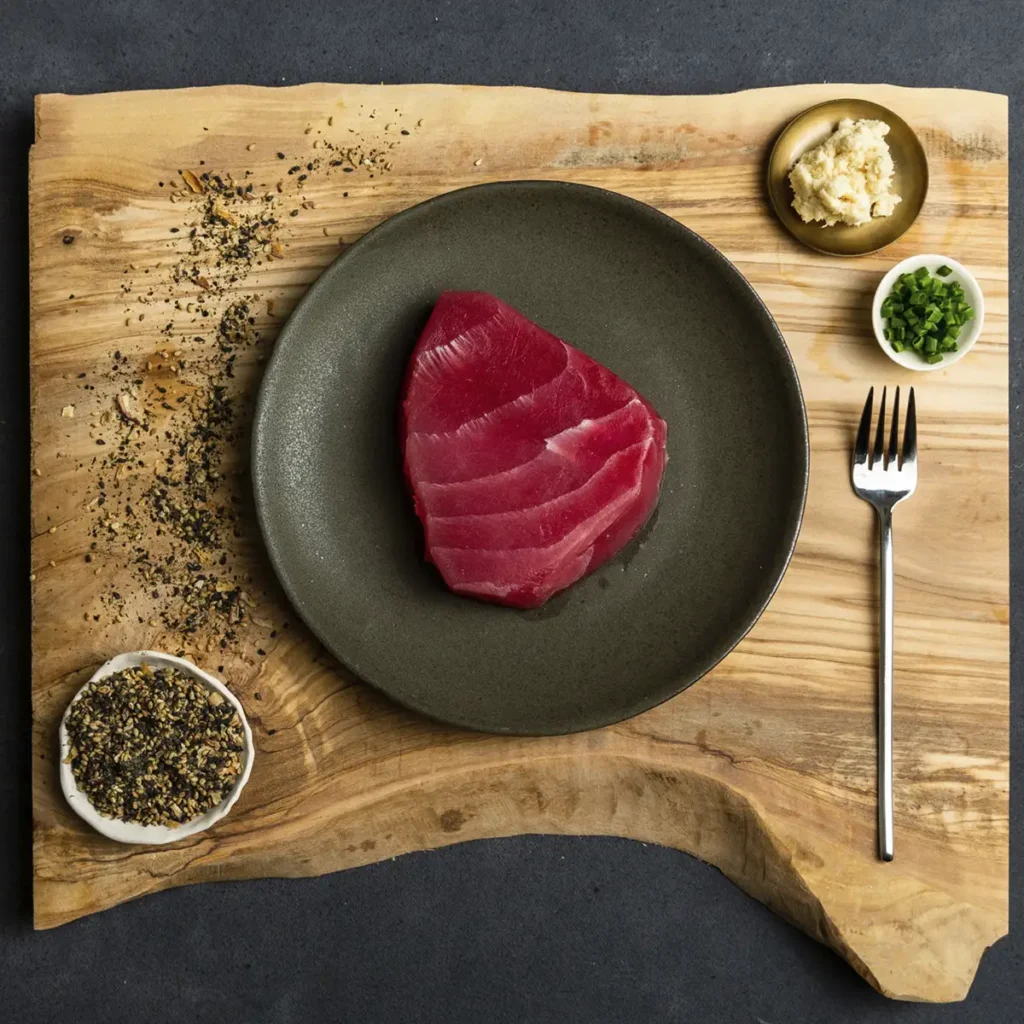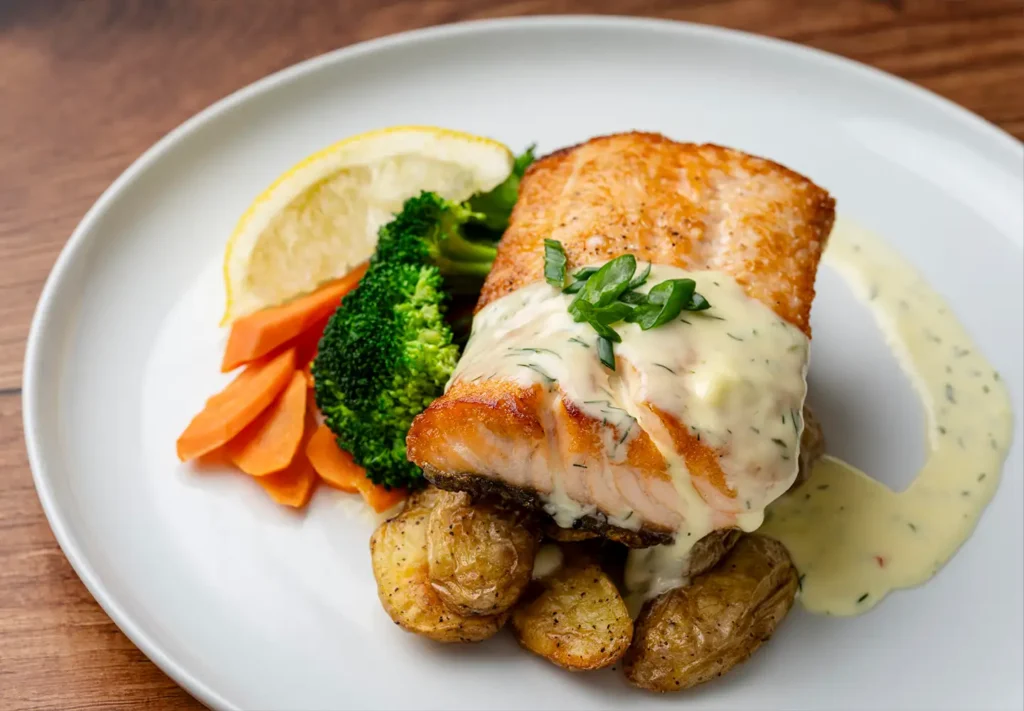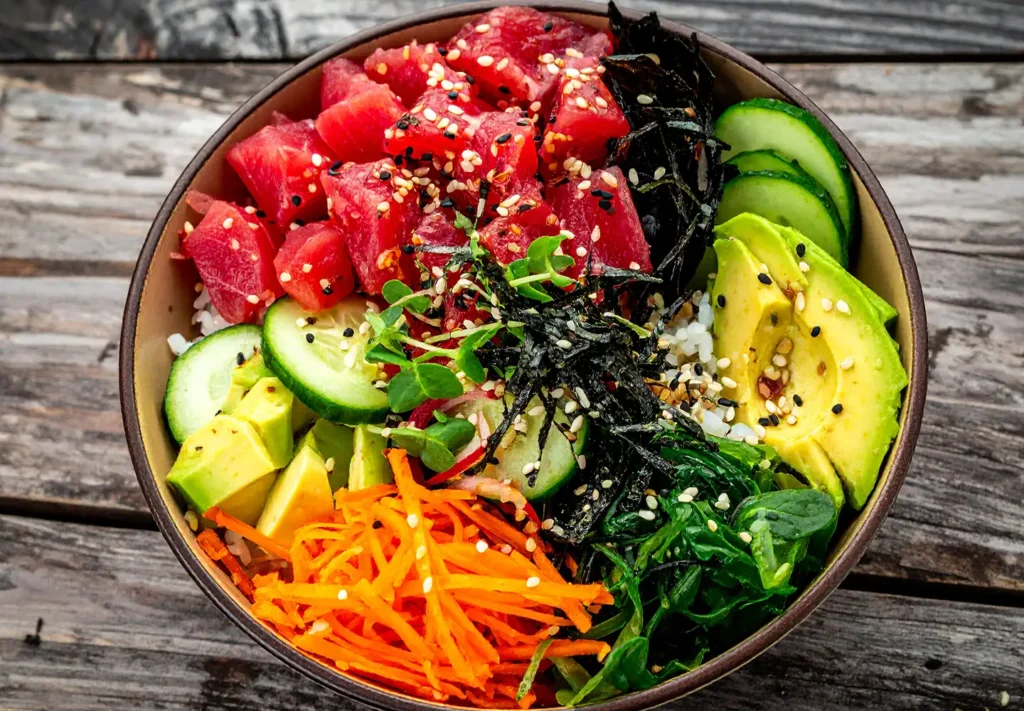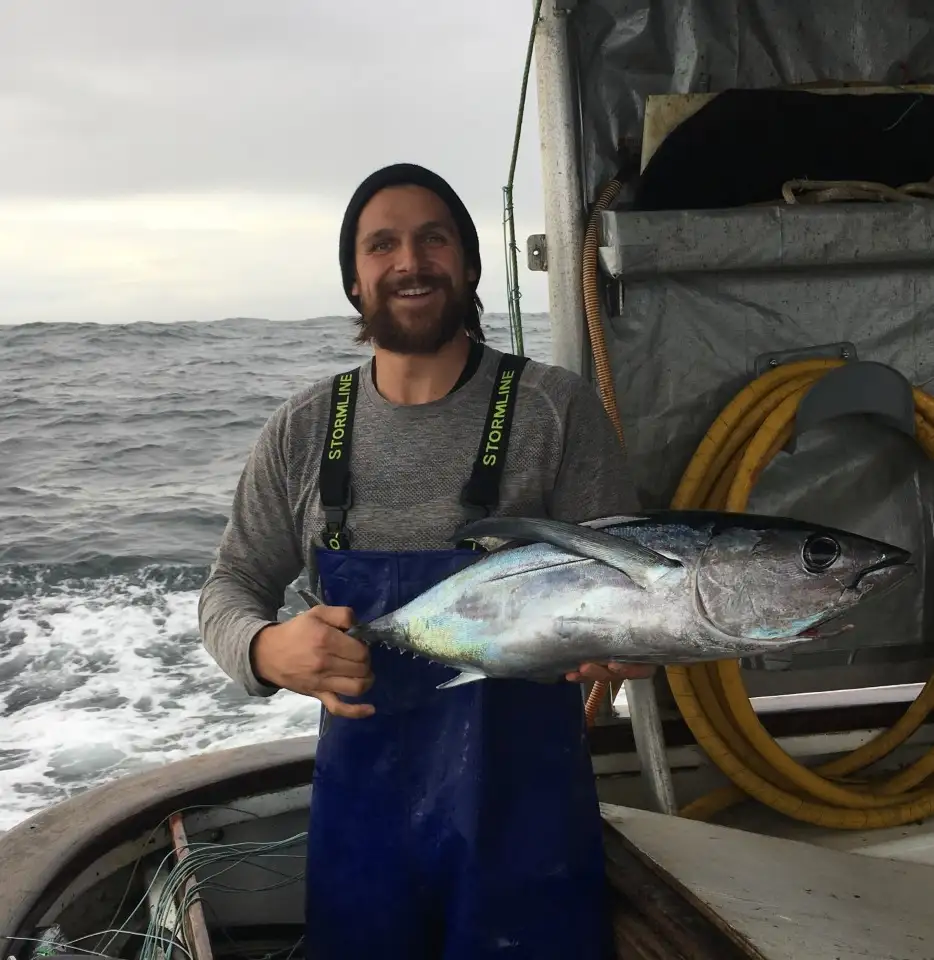
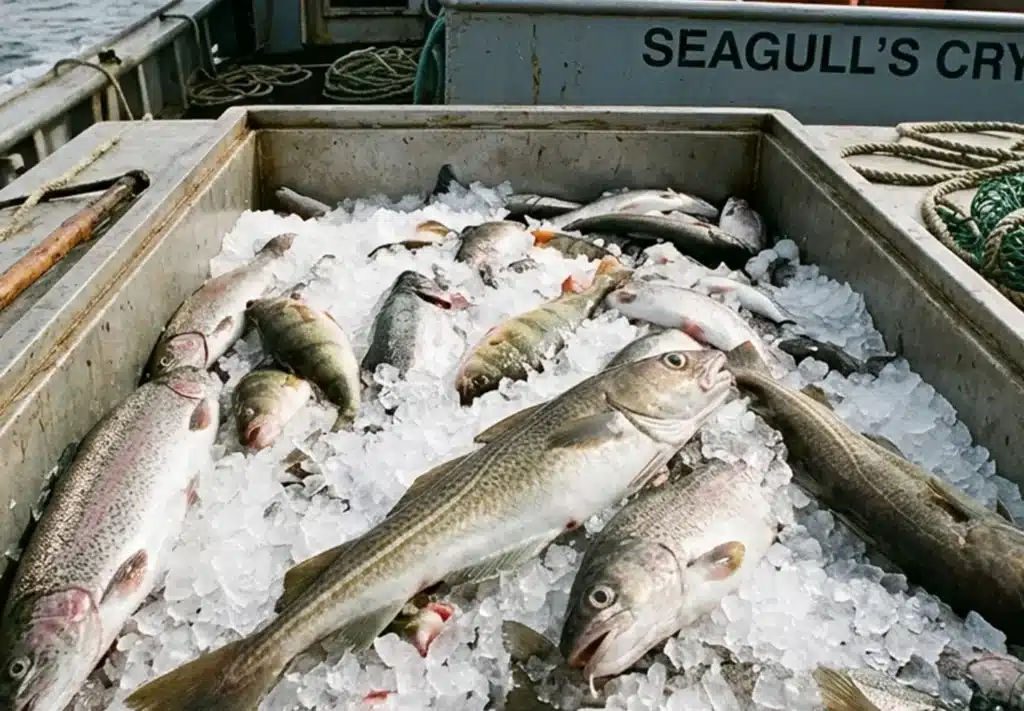
If you are interested to learn about the fish trade, start with one basic idea: seafood is not just caught and sold. It moves through a chain of harvest, handling, processing, shipping, labelling, and retail decisions before it ever reaches your kitchen. Once you understand that chain, you can ask better questions about quality, sustainability, and value.
The fish trade is also worth learning about because it is enormous. FAO reports that global fisheries and aquaculture production reached a record 223.2 million tonnes in 2022, and trade in aquatic products reached a record value in the same period. That means the seafood on your plate is part of a huge global system shaped by science, regulation, logistics, and consumer demand.
What the fish trade actually includes
At the simplest level, the fish trade includes wild capture fisheries, aquaculture, processors, importers, exporters, wholesalers, retailers, restaurants, and direct-to-consumer sellers. Some fish move through long international supply chains. Others move through shorter local channels with fewer steps and more direct relationships between harvesters and buyers.
A big reason this topic matters today is that aquaculture now plays a larger role than many consumers realize. FAO reported that aquaculture surpassed capture fisheries as the main source of aquatic animals for human consumption. For anyone trying to understand modern seafood, that is a major shift.
How seafood gets to your plate
The journey usually begins in one of two places: a wild fishery or a farm. In wild fisheries, fish are harvested from natural marine or freshwater environments. In aquaculture, fish or shellfish are raised under managed conditions and then harvested for market. Those are very different systems, but both feed into the same larger trade network.
After harvest comes handling and processing. That can include grading, gutting, filleting, freezing, canning, smoking, or portioning. This is one of the most important stages in the seafood chain because product quality, shelf life, and traceability can all improve or break down here depending on how carefully the fish is handled.
Next comes transport and distribution. Seafood often relies on a cold chain, meaning controlled temperature from processor to warehouse to retailer or restaurant. In global trade, products may cross multiple borders and be repacked or transformed along the way, which is one reason traceability systems matter so much.
By the time seafood reaches a customer, much of the original story can be hard to see unless the seller provides it clearly. Species name, origin, harvest method, certification, and handling details all help bridge that gap between harvest and plate.
If you want seafood with a clearer story behind it, buying from a source that shares species, origin, and harvest information makes the learning process much easier.
Why traceability matters
Traceability is one of the most important ideas in the fish trade. NOAA defines it as the ability to track products through stages of harvest, processing, storage, transport, and distribution, linking finished products back to legally harvested catch. In practical terms, traceability helps buyers and consumers know what the fish is, where it came from, and whether records support that story.
This matters for more than curiosity. Traceability helps address illegal, unreported, and unregulated fishing, seafood fraud, and weak supply-chain visibility. In the United States, NOAA says the Seafood Import Monitoring Program requires importers to report key chain-of-custody data for more than 1,100 species that are especially vulnerable to IUU fishing or seafood fraud.
In Canada, labelling rules also matter. The CFIA says fish and seafood products must include core information such as the common name, net quantity, ingredients, Nutrition Facts, a lot code or unique identifier, and the principal place of business. For imported prepackaged fish, the country of origin must also be clearly identified on the label.
The CFIA also makes clear that labels should not be false, misleading, or deceptive. It recommends using accepted common names from the CFIA Fish List, and it notes that generic labels like “fish fillets” are generally not permitted when a product contains a single species. That is useful for consumers because better naming makes it easier to learn what you are actually buying.
How to start learning about fish trade
The best way to begin is not by memorizing regulations. It is by learning the right questions.
- What species is this, exactly?
- Is it wild or farmed?
- Where was it harvested or raised?
- Where was it processed?
- Who sold it, and what details can they share?
- Is there any traceability or certification information attached?
Then build your knowledge in layers. Start with species and sourcing. Move on to harvest methods and seasonality. After that, look at trade, traceability, and the policy side. This keeps the topic from feeling overwhelming.
A very practical beginner step is to use public databases and institutional guides. NOAA’s FishWatch profiles explain sustainability status and consumer basics for U.S. seafood. Ocean Wise provides sustainable seafood guidance through its consumer-facing program and partner network. In Canada, the Canadian Food Inspection Agency offers labelling, traceability, and consumer guidance that helps you understand what information should be available when buying fish. FAO’s fisheries reports are more technical, but they help you understand the global picture behind what you buy locally.
Best books and media to learn about the fish trade
If you learn best through books, start with titles that explain both the big picture and the human side of seafood.
- Four Fish by Paul Greenberg. This is one of the strongest beginner books because it follows four species that dominate many menus: salmon, sea bass, cod, and tuna.
- The Perfect Protein by Andy Sharpless and Suzannah Evans. This is a more advocacy-driven book, but it is useful for readers who want to connect seafood, sustainability, and global food systems.
- The Outlaw Ocean by Ian Urbina. This is not a seafood primer, but it is valuable if you want to understand labor abuse, lawlessness, and weak governance at sea.
For visual and documentary learning, look for reporting that shows the offshore side of seafood, not just cooking or sustainability labels. Dispatches From The Outlaw Ocean is a short-film series that examines trafficking, smuggling, and abuses at sea. It is especially useful once you already understand the basics of the seafood supply chain.
For a more practical, consumer-friendly route, use official Canadian seafood guidance and explainer content. The Canadian Food Inspection Agency provides clear information on seafood labelling, traceability, and what consumers should look for when buying fish, helping you understand how products are identified and regulated. The Ocean Wise program also offers easy-to-use recommendations that connect species, sourcing practices, and sustainability in a way that is accessible for everyday buyers. Together, these are some of the most reliable starting points if you are learning about seafood in Canada.
What to pay attention to when you buy seafood
Once you start learning, the fish counter becomes more interesting. Instead of asking only whether something is fresh, you begin asking whether the seller can tell you what it is, where it came from, and how it was handled. That does not mean every purchase needs a deep audit. It means you become more confident at spotting transparency.
Useful signs to look for include:
- a clear species name
- country of origin for imported prepackaged fish
- consistent labelling
- traceability details from the seller
- harvest or farming method when available
- evidence the business takes sourcing seriously
The more transparent a seafood business is, the easier it becomes for you to connect what is on the label with what happened earlier in the chain. That is how seafood education turns into better buying decisions.
Why this matters for everyday seafood buyers
Learning about the fish trade is not only for policy experts or commercial buyers. It helps regular people make sense of seafood labels, understand why one fish costs more than another, and see why transparency matters. It also helps you move beyond vague ideas like “good fish” or “bad fish” and toward more specific, useful questions.
And once you understand the route from water to plate, seafood becomes more interesting, not less. You start to notice species differences, regional stories, handling quality, and the role that trusted sellers play in helping you buy with confidence. That is really the point of learning the fish trade: not to make seafood complicated, but to make it clearer.
Why this matters to us
At Afishionado, we believe seafood should come with a clear story. You should know what you are buying, where it came from, and why it was chosen. That is not extra information. It is the foundation of trust.
We work closely with harvesters and suppliers who value transparency. That means focusing on species we can stand behind, sharing sourcing details when they are available, and helping you feel confident in your choices. When you understand the fish trade, you start to see the difference between seafood that is simply sold and seafood that is carefully sourced.
This is not about making things complicated. It is about making them clearer, so you can buy, cook, and enjoy seafood with more confidence.
Explore seafood with a clear story
Explore seafood with a clear story
If you are ready to put this into practice, start with seafood that is sourced with intention.