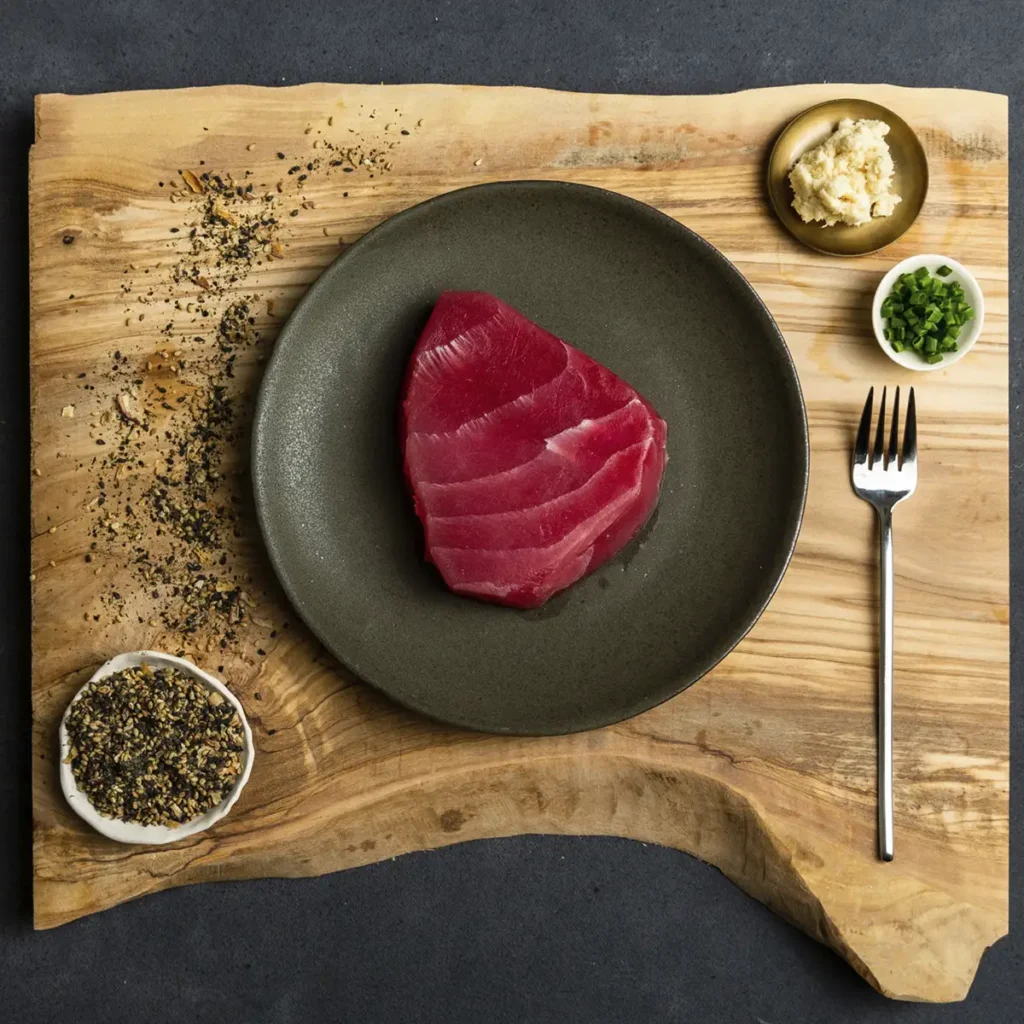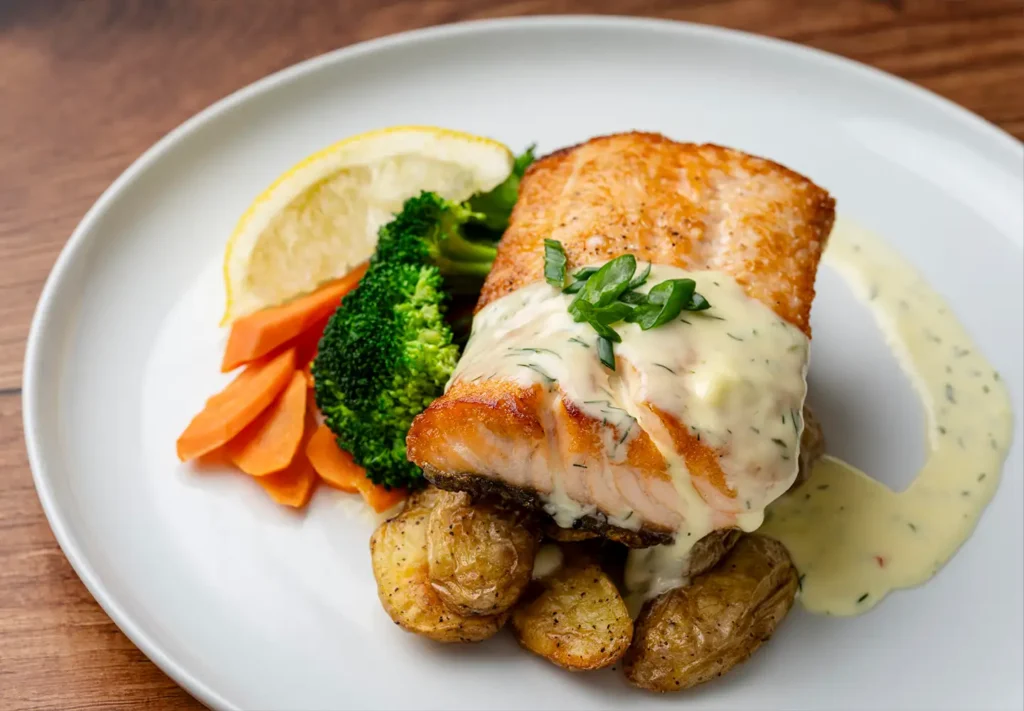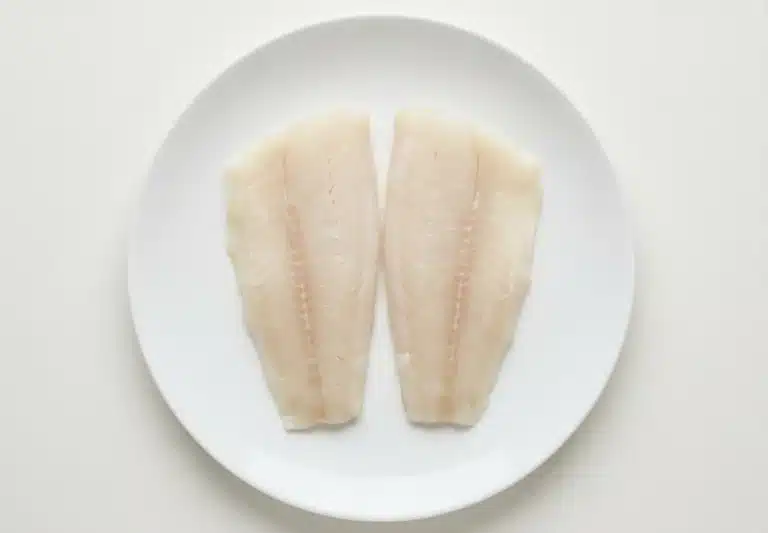

When choosing between skin-on vs skinless fish, you are making a decision that affects flavour, texture, nutrition, and cooking performance.
In Atlantic Canada, where seafood is often fresher and handled with care, this choice becomes even more important. The right approach can elevate a simple fillet into something memorable. The wrong one can lead to dry or underwhelming results.
This guide breaks down when to use each option, backed by science and practical cooking knowledge you can apply right away.
Why skin matters in skin-on vs skinless fish
Fish skin plays an active role during cooking. It is not just something you remove before serving.
When exposed to heat, the skin acts as a protective barrier. It slows moisture loss and helps the flesh cook more evenly. At the same time, the fat just beneath the skin begins to render, adding flavour and improving texture.
From a nutrition standpoint, this layer also matters. Fish is a major source of omega-3 fatty acids. These fats are often concentrated close to the skin. Research from the Harvard T.H. Chan School of Public Health shows that omega-3s support heart and brain health. Keeping the skin on can help preserve more of these benefits.
In simple terms, the skin supports both cooking performance and nutritional value.
When to choose skin-on fish
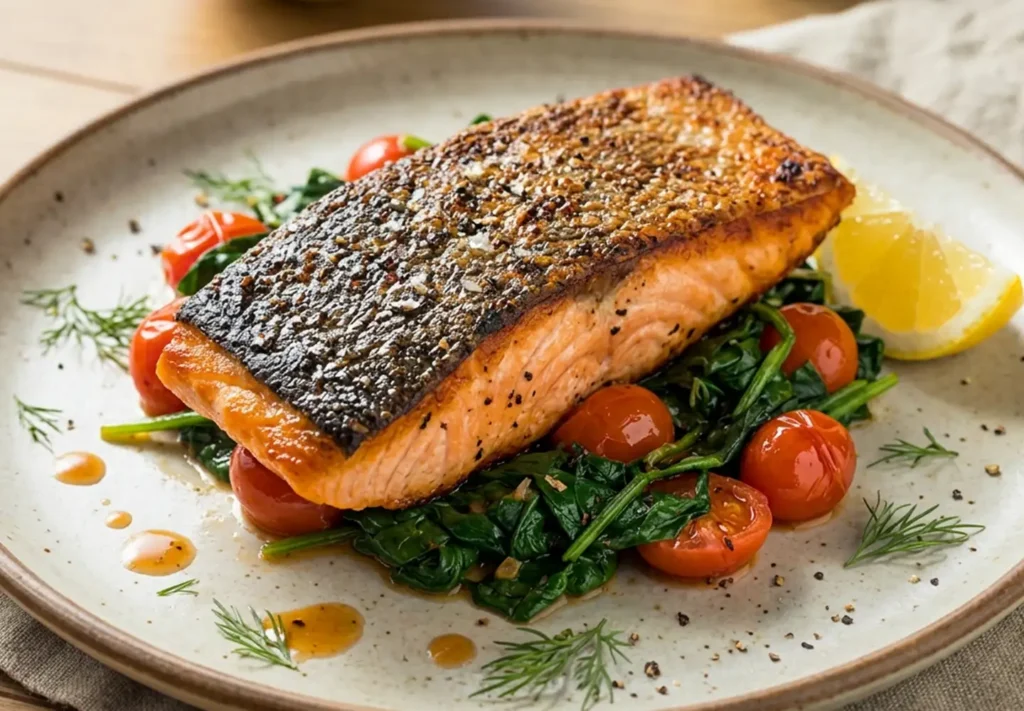
Skin-on fish is the better choice when flavour and richness matter. It performs best in high-heat cooking methods where crisping is possible and desirable.
This is especially true for well-raised, higher-fat species like salmon. Choosing a responsibly farmed option such as Sustainable Blue salmon gives you the fat content needed for crisp skin and a more flavourful result.
When cooked properly, the skin turns crisp while the interior stays moist and tender. This contrast is one of the main reasons chefs favour skin-on fillets in professional kitchens.
If you want to replicate this at home, techniques like dry brining make a noticeable difference. A step-by-step guide like this dry brined crispy salmon recipe shows how removing surface moisture leads to better browning and crisp texture.
Skin-on fish works especially well for:
- Pan-searing salmon or trout
- Grilling firmer species like mackerel or Arctic char
- Roasting fillets where a crisp finish improves the final dish
These methods allow the fat beneath the skin to render gradually, adding flavour while protecting the flesh from direct heat.
There is also a practical advantage. The skin creates a natural barrier between the fish and the cooking surface, which helps reduce sticking and makes the fillet easier to handle.
Guidance from the American Heart Association supports cooking methods like grilling and pan-searing as effective ways to retain both flavour and nutrients.
If your goal is a restaurant-quality result at home, skin-on is often the better option.
When to choose skinless fish
Skinless fish has its place, especially in recipes where texture needs to stay soft or where the fish is combined with other ingredients.
Removing the skin creates a more uniform bite. It also allows marinades, sauces, and seasonings to penetrate more evenly.
Skinless fish is often the better choice for:
- Fish tacos and sandwiches
- Chowders and seafood stews
- Poaching or steaming preparations
- Breaded or battered dishes
In these cases, crisp skin does not add value. In fact, it can disrupt the texture of the dish.
Many Atlantic Canadian staples follow this approach. Cod and haddock are often served skinless because their delicate flakes are the focus. Keeping the skin on would not improve the final result.
Choosing skinless fish is not about removing value. It is about matching the cut to the cooking method.
Skin-on vs skinless fish: nutrition differences
The nutritional difference betweThe nutritional difference between skin-on vs skinless fish is not extreme, but it is meaningful enough to consider.
Much of the beneficial nutrition in fish comes from its natural fat content. Leaving the skin on helps retain more of that fat during cooking, which contributes to both flavour and overall nutrient value.
Skin-on fish generally provides:
- More omega-3 fatty acids
- Slightly higher calorie content
- Additional fat-soluble nutrients
Skinless fish typically offers:
- Lower overall fat
- A lighter flavour profile
- A leaner option for certain diets
If your goal is maximum nutritional value, keeping the skin on can help preserve more of the fish’s natural fat. If you are looking for a lighter dish, removing it may be the better fit.
Should you eat fish skin
In most cases, fish skin is safe and beneficial to eat.
The key factor is sourcing. High-quality, traceable seafood reduces the risk of contaminants and improves both flavour and safety.
Fish skin is generally safe when:
- The fish is properly handled and sourced
- It is cooked to a safe internal temperature
- It has been cleaned and scaled
This is where Atlantic Canadian seafood stands out. Strong fisheries management and shorter supply chains support both sustainability and quality.
If you trust the source, there is little reason to avoid eating the skin.
What to do with fish skin if you remove it
If you choose to remove the skin, do not throw it away. It can be turned into something valuable with very little effort.
One of the most effective approaches is to crisp the skin. This transforms it into a light, crunchy element that can be used in multiple ways.
For example, you can cook the skin in a hot pan or oven until it becomes crisp. Recipes from well-known culinary sources like Serious Eats and Bon Appétit use this method to create fish skin chips.
Once crisped, the skin can be:
- Served as a snack with light seasoning
- Crumbled over salads or grain bowls for texture
- Used as a garnish for seafood dishes
Another option is to use the skin in stock. When simmered with bones and aromatics, it adds depth and a subtle richness that improves soups and chowders.
Some people also use fish skin as a treat for pets. If you go this route, keep it plain and fully cooked. Avoid salt, oil, and seasoning, and check with your veterinarian first.
Using the skin instead of discarding it supports a more sustainable approach to seafood. It also gives you additional value from the same ingredient.
How to decide: skin-on vs skinless fish
Choosing between skin-on vs skinless fish comes down to your cooking method and your goal for the final dish.
If you are cooking at high heat and want texture, skin-on is usually the right choice. If you are preparing a mixed dish or using gentle cooking methods, skinless may work better.
A simple way to think about it:
- Choose skin-on when you want crisp texture and richer flavour
- Choose skinless when you want a softer, more uniform result
- Use skin-on for pan-searing, grilling, and roasting
- Use skinless for soups, poaching, and composed dishes
Making this decision intentionally will improve your results every time.
Final thoughts on skin-on vs skinless fish
There is no single correct answer in the skin-on vs skinless fish decision. Both options serve a purpose, and both can deliver excellent results when used correctly.
Understanding how skin affects cooking, flavour, and nutrition gives you more control in the kitchen. It also helps you get the most out of high-quality seafood.
If you are starting with fresh, responsibly sourced Atlantic Canadian fish, you already have an advantage. Choosing the right cut begins with sourcing, and your local fish market or a trusted online fish market ensures you are getting product that performs well whether you cook it skin-on or skinless.
From there, it is about matching the cut to the dish and cooking it with intention.