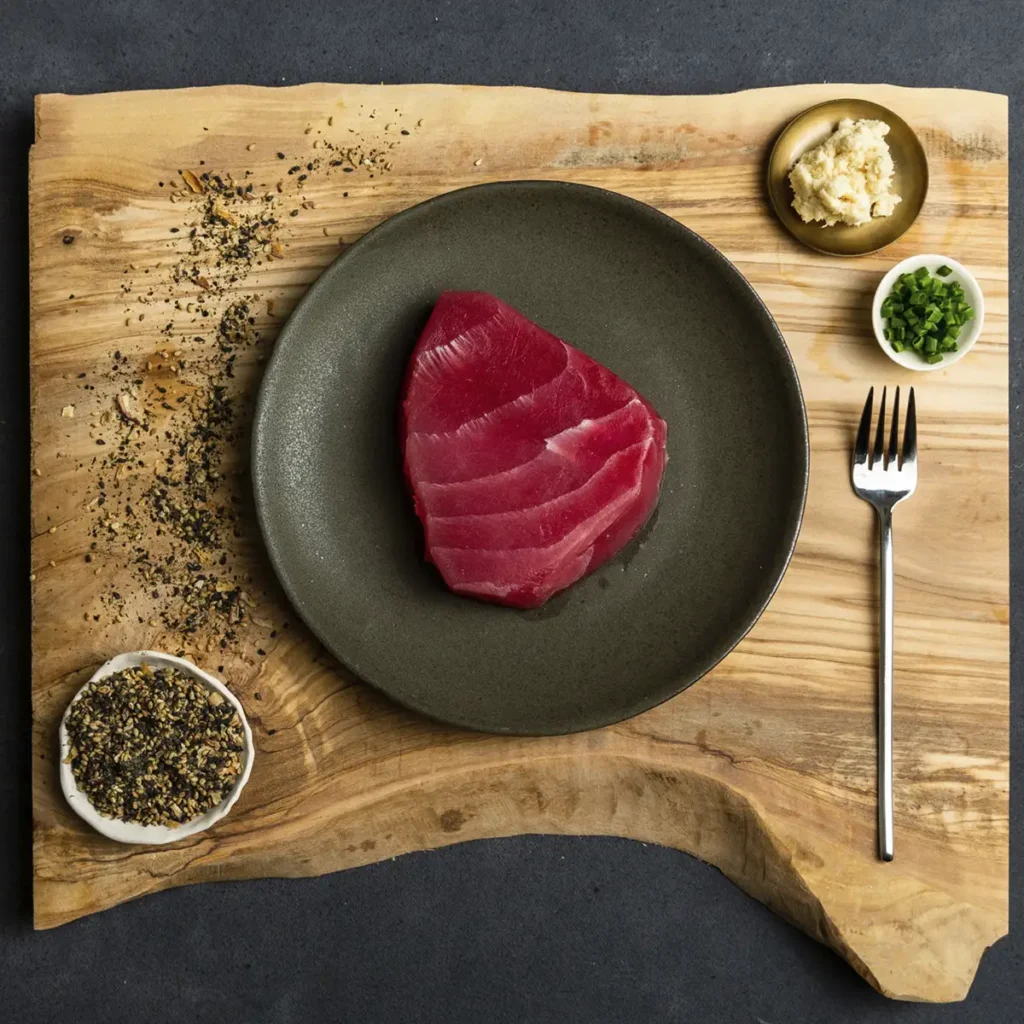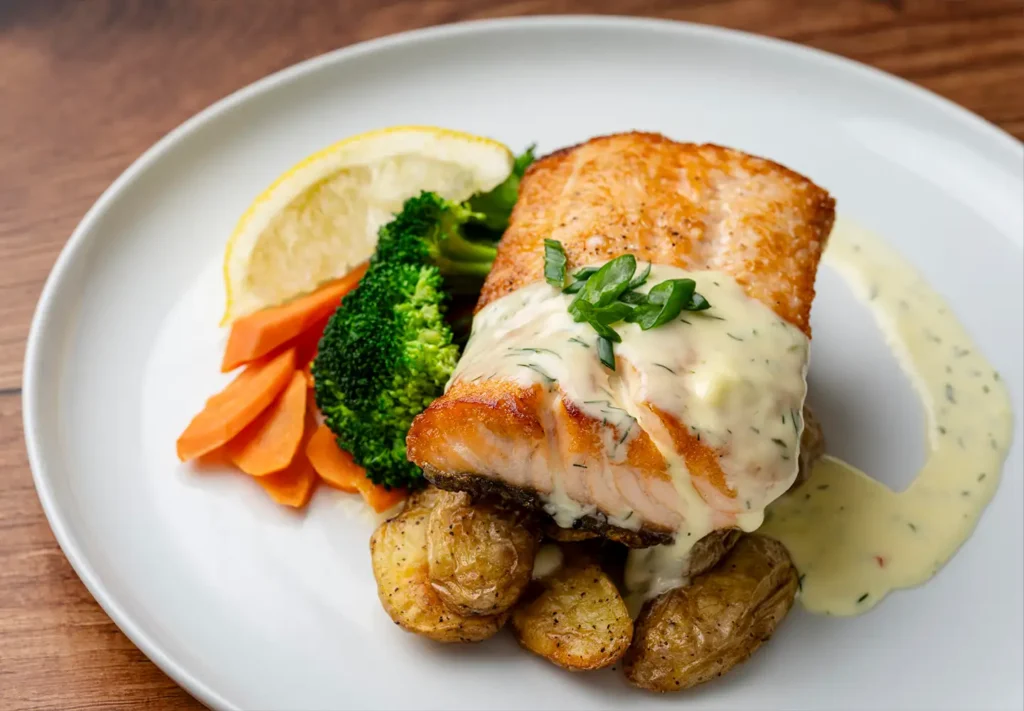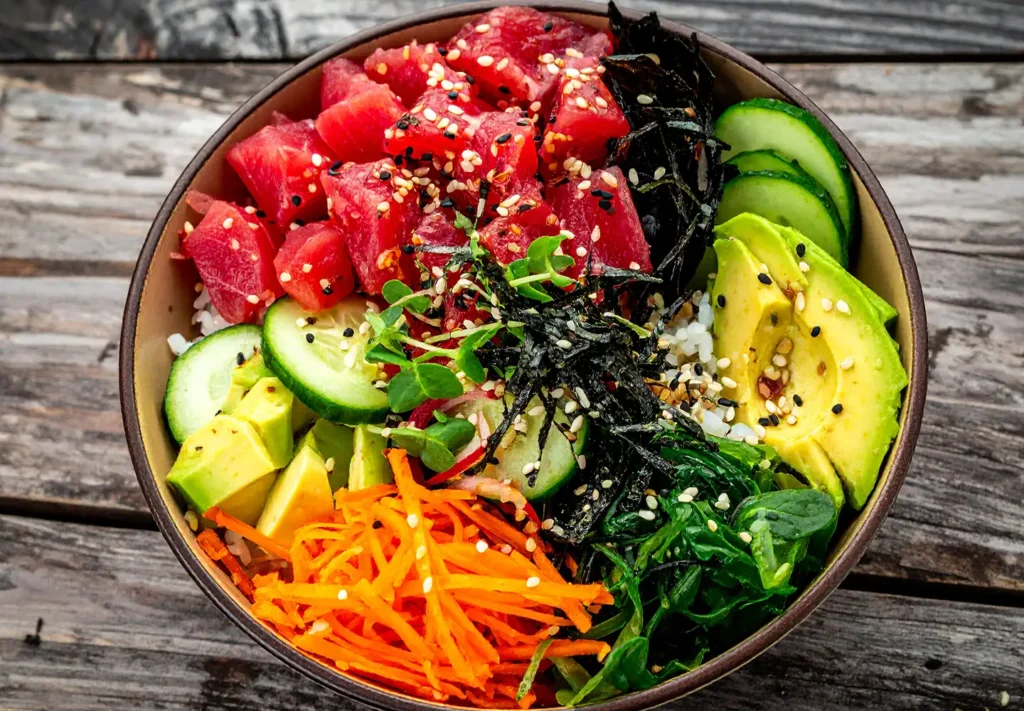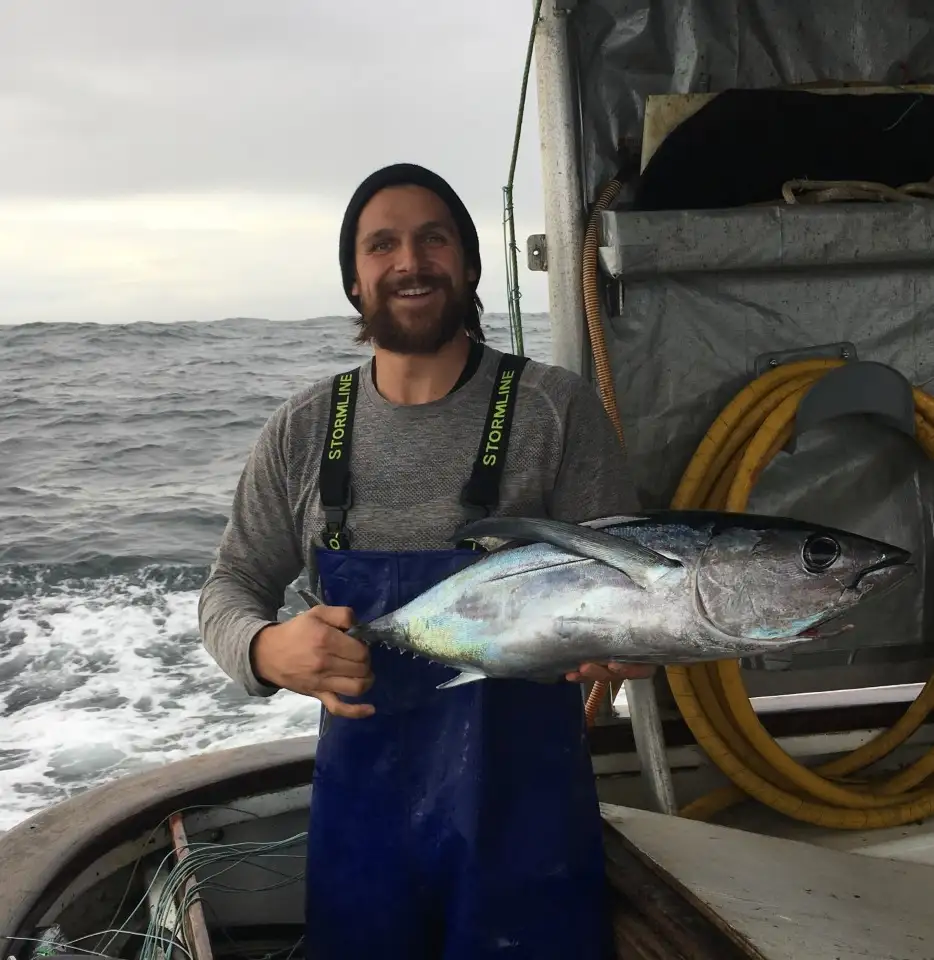
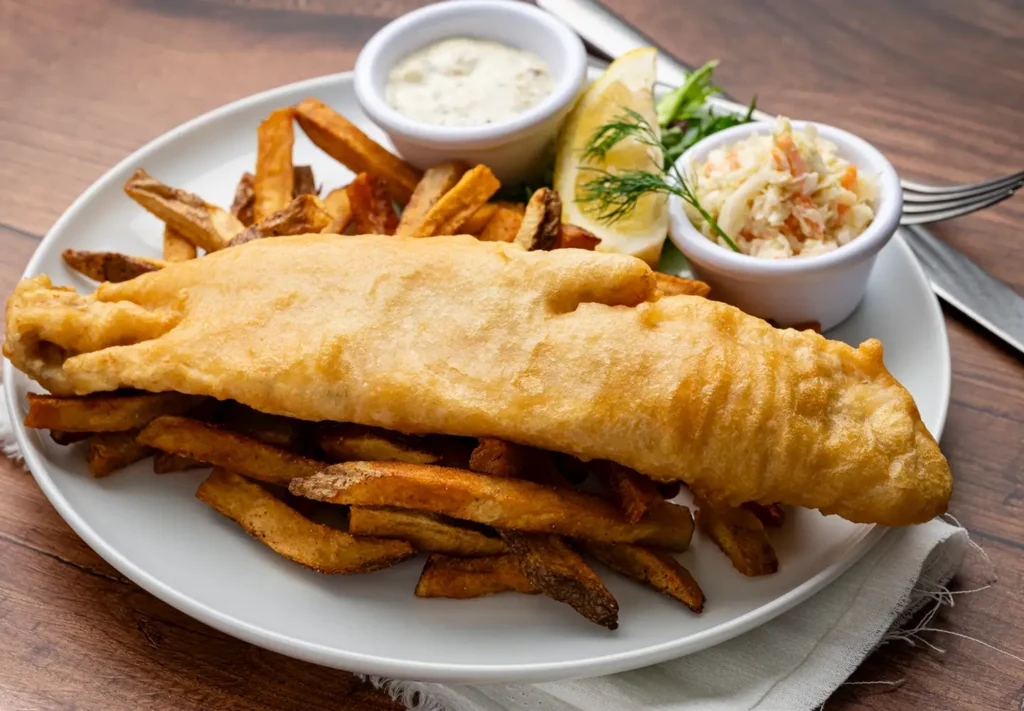
You’ve likely seen the term “ocean to plate seafood” on menus or websites, but what does it really mean, especially here in Atlantic Canada? In this article, we explain how the seafood supply chain moves from the water to your dinner plate. We address common assumptions, highlight what makes the Atlantic journey distinct, and show how Afishionado delivers traceability and sustainable choices you can trust.
What does “ocean to plate” really mean?
At its core, “ocean to plate” revolves around three ideas: traceability, quality, and trust.
- Traceability means you can follow seafood from where it was caught to when it reaches your plate.
- Quality is often supported by fewer handling steps, quick movement from catch to consumption, and careful processing and storage.
- Trust grows when you know who caught the fish, how they harvested it, and how it was handled along the way.
The concept appears in policy as well. Fisheries and Oceans Canada writes that its international fisheries strategy “considers and integrates all stages of the international fishery together, an ‘ocean to plate’ concept” to support healthy oceans.
By contrast, a typical global supply chain can involve fish caught far away, frozen for transport, processed multiple times, stored for extended periods, and then distributed. Those steps add distance, handling, and opacity. In short, “ocean to plate” aims to connect you as directly as possible from the water to your fork.
The Atlantic Canada seafood supply chain
Across Nova Scotia, New Brunswick, Prince Edward Island, and Newfoundland and Labrador, much of the catch comes from an inshore, small-vessel fleet operated by independent owner-operators. DFO lists more than sixteen thousand licence holders in the Atlantic region, which shows the scale of community-based fishing in these provinces.
Processing
After landing, seafood typically moves to regional plants. Because distances are shorter than many import chains, time from catch to processing can drop, which supports freshness, flavour, and traceability when handling is done well.
Distribution
From local processing, seafood moves regionally or nationally. Compared with mass-imported products, the chain is usually shorter, which gives you clearer information about origin.
Why this is different?
- Fewer middle steps and shorter transport from catch to consumer
- Stronger links among fishers, processors, retailers, and you
- Typically less handling and fewer opaque steps
- A clearer connection to origin, helping answer “where does my seafood come from?”
Consequently, a regional chain can improve access to traceable seafood and, in season, fresher options.
Traceability and transparency: Why it matters
Knowing your seafood’s journey affects you, fisheries, ecosystems, and markets.
- Supporting local economies. Buying locally caught fish supports regional fishers, processors, and communities.
- Encouraging ethical, sustainable harvesting. Traceability helps align practices with conservation goals and credible programs. Ocean Wise issues consumer and business recommendations that steer purchases toward better options. The Marine Stewardship Council operates a Chain of Custody standard that audits traceability through the supply chain.
- Consumer trust. Transparency builds confidence that labels match the product.
- Lower emissions and less fraud risk. Shorter supply chains can reduce transport emissions and may reduce opportunities for mislabelling. Oceana Canada has repeatedly called for “boat to plate” traceability to help curb seafood fraud in Canada.
- Label requirements. The Canadian Food Inspection Agency enforces mandatory labelling, including common name, net quantity, ingredients list, Nutrition Facts, lot code or unique identifier, and the principal place of business.
Parliament’s Standing Committee on Fisheries and Oceans went further. In 2022, FOPO recommended full boat to plate traceability from point of catch to point of sale for domestic and imported products.
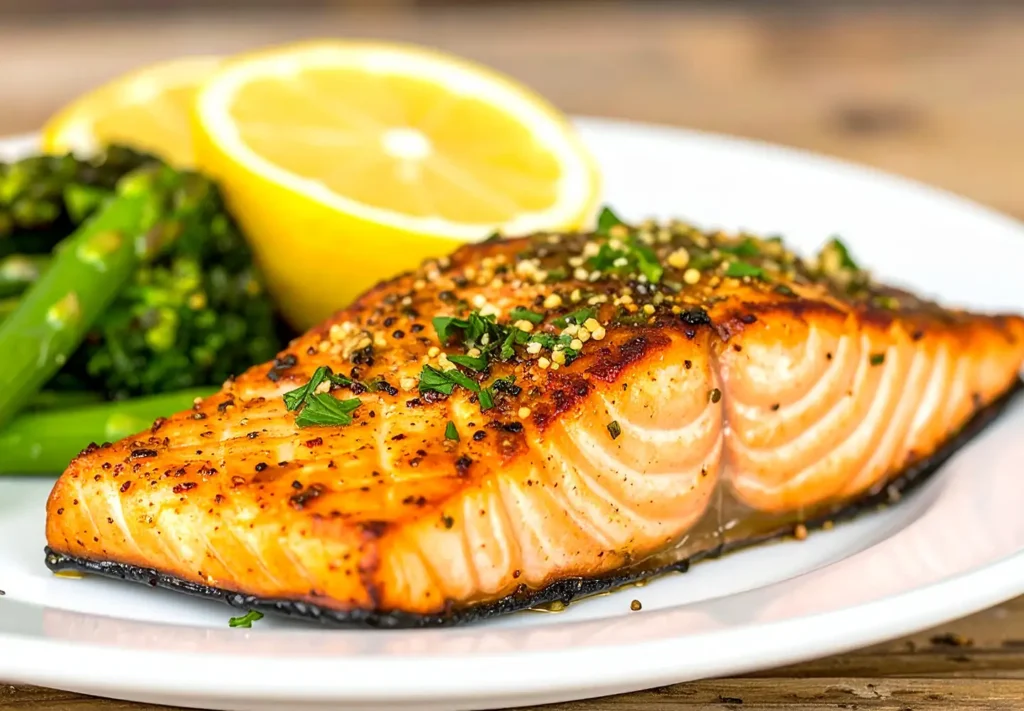
Ocean to plate in action: How Afishionado does it
- We build direct relationships with local fishers who know their grounds, gear, and communities.
- We source when products meet sustainability standards, including support for credible programs such as Ocean Wise recommendations and MSC-certified supply chains.
- We process promptly, and we use IQF or flash-freezing where appropriate to preserve quality.
- We minimize waste with efficient logistics.
- We do our best to maintain a short chain, from catch to box in minimal steps.
Check out the available Seafood Boxes from Afishionado today.
We believe you deserve seafood not just labelled “Atlantic Canada,” but traceable from boat to plate.
How to know you’re really getting ocean to plate seafood
As a consumer, chef, or retailer, look for these signals of authenticity and traceability:
- Clear origin information. Does the label or vendor say where and by whom it was caught?
- Certifications. Look for credible programs such as Ocean Wise recommendations and the MSC Chain of Custody, which support sustainability and traceability.
- Direct-from-fisher language. Terms like “local fishers,” “community-based harvest,” or “dock to box” indicate a shorter chain.
- Published sourcing methods. Does the brand explain gear type, handling, processing, and transport?
- Label compliance. Use CFIA’s guide to fish and seafood labelling to check required information.
- Traceability backed by data. Canada’s FOPO committee urged full boat to plate traceability from catch to sale. Look for vendors moving in that direction.
FAQs
What is ocean to plate seafood?
Seafood you can trace back from where it was caught, the ocean, to when you serve it, the plate. It emphasizes transparency, fewer handling steps, and local sourcing where feasible.
Is “sea to table” the same as “ocean to plate”?
They’re similar ideas: local, transparent sourcing supported by traceability and a shorter supply chain.
Where does most Canadian seafood come from?
Canada has the world’s longest coastline and a major wild-capture and aquaculture sector. Much seafood is harvested in Canadian waters and processed domestically, though global supply chains also play a role.
How can I support local seafood in Atlantic Canada?
Buy from companies that disclose catch origin and work with local fishers; choose products caught in Atlantic waters; look for credible sustainability programs; ask about processing and transport; and support regional processors and retailers.
Final thoughts
Choosing ocean-to-plate seafood isn’t just about taste — it’s about trust, sustainability, and keeping Atlantic Canada’s fishing traditions strong. When you choose traceable Atlantic seafood, you help sustain fish stocks, support coastal communities, reduce transport impacts, and feel confident about what you serve.
Editor’s note: For references discussed here, see DFO’s “ocean to plate” strategy, CFIA labelling pages, FOPO’s 2022 recommendation on boat-to-plate traceability, and program details from Ocean Wise and MSC.