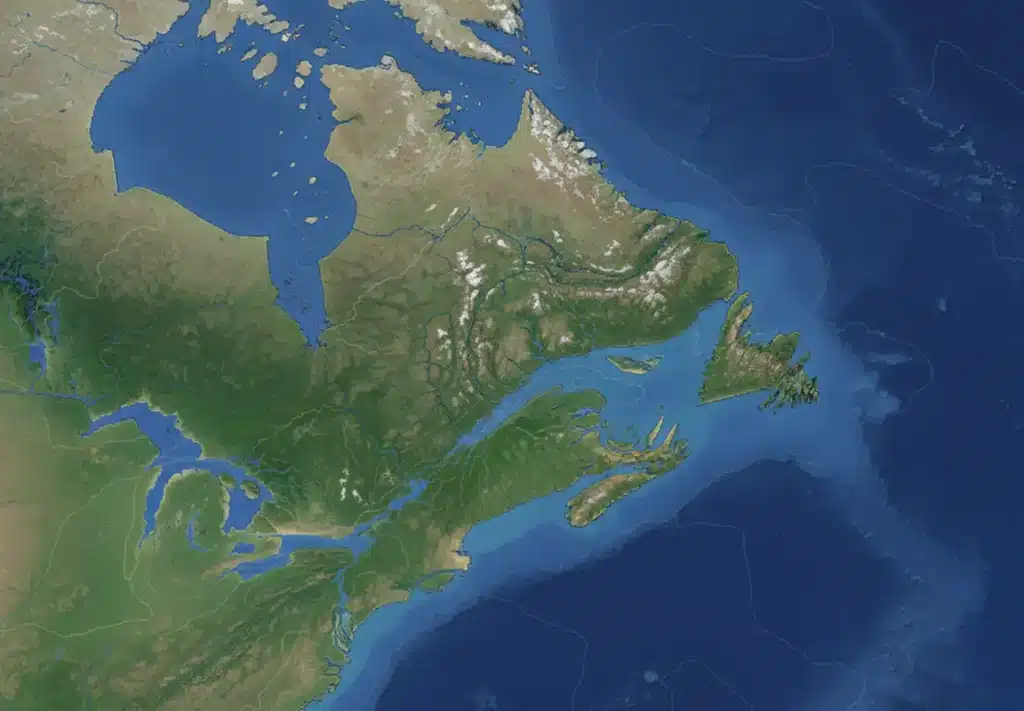
The cold, clear North Atlantic shapes daily life in Atlantic Canada, and it also shapes Atlantic Canada seafood. Not only location matters. The meeting of major currents, a broad continental shelf, and strong seasonal blooms combine to create a distinctive marine engine with a clear regional taste. In this article, you will see the science behind that engine, the way it influences flavour and texture, and the role of sustainability in keeping it all in balance.
The ocean that shapes Atlantic Canada seafood
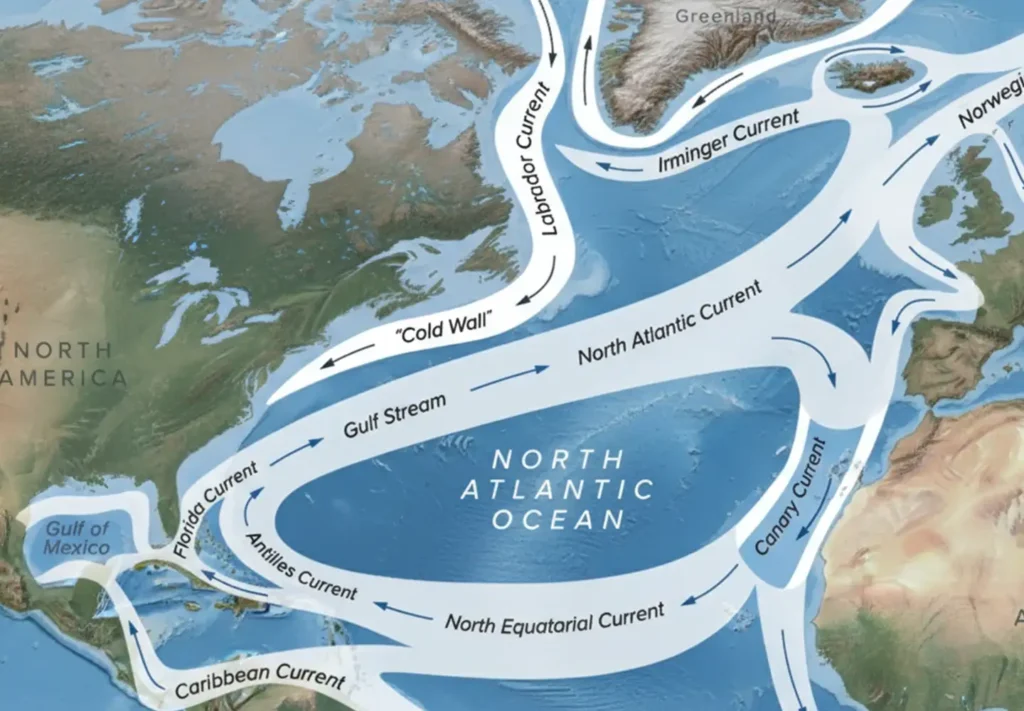
Along this coast, the Labrador Current carries cold, relatively fresh water south. At the same time, the Gulf Stream moves warmer, saltier water north. When these flows meet over shallow banks such as the Grand Banks, nutrients concentrate, plankton blooms surge, and fisheries thrive.
According to Canada’s national ocean synthesis, this shelf-and-current system supports high primary productivity from spring through fall. Consequently, the region is globally important for marine life and food production. The same reports also explain why conditions can shift quickly when currents meander or winters run warm.
Geography matters as much as physics. The continental shelf is broad and relatively shallow, which keeps light and nutrients together. As a result, tiny plants bloom, zooplankton feed, forage fish gather, and familiar species follow. Think of the shelf as a stage, the currents as the cast, and the seasons as the script.
How the Atlantic shapes the taste and quality of Atlantic Canada seafood
Cold environments often slow growth in many species. Therefore, cold-water groundfish like cod and haddock tend to develop a firm texture. Productive plankton communities also support clean, mild flavours across many fisheries. Most importantly, rapid chilling and careful handling from boat to dock protect flavour and texture, which means quality depends on the entire chain.
If you want help choosing well, turn to trusted guides. For example, Ocean Wise ties species and harvest methods to science-based advice. Those recommendations translate ocean science into simple choices for shoppers and chefs who care about Atlantic Canada seafood. For more information about Ocean Wise and sustainability certifications, visit our Guide to Canadian seafood labels.
All Afishionado, we’re proud to have all of our products Ocean Wise recommended. Try one of our seafood boxes to taste the difference the Atlantic ocean makes.
A note on salmon and accuracy
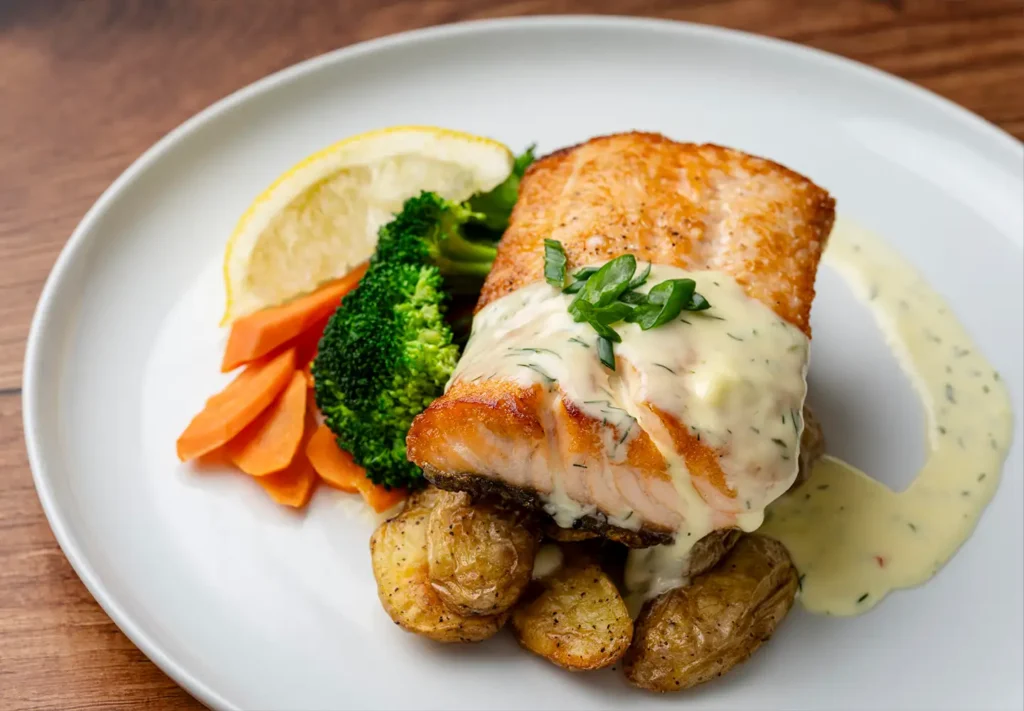
Canada’s commercial fishery for wild Atlantic salmon has been closed since 2000. Because of that closure, salmon from Atlantic Canada in stores is typically farmed Atlantic salmon. Conservation goals guide the policy, while aquaculture supplies most market demand.
Sustainable Blue has developed a zero waste process and raise some of the highest quality salmon available to Canadians.
Why currents and seasons matter to what you taste
Currents choose the menu. When cold water rides the shelf, capelin and other forage species can move within range of cod, haddock, and seabirds. When warm eddies peel off the Gulf Stream, temperature and salinity may shift for weeks. These swings change where fish feed and how fast they grow. You do not see the currents on a plate; nevertheless, you taste their effects in texture and fat content.
Seasons set the clock. Spring light triggers blooms that ripple through the food web. Summer often brings stratified layers and calm surface seas. In autumn, storms mix nutrients back upward. Winter reminds us that the North Atlantic never rests. Each phase influences catch composition and, in turn, the best way to cook what you buy. Gentle heat suits a delicate white fish in early summer, whereas a hotter pan rewards a firmer fillet in late fall. In short, the ocean writes the first draft of every recipe.
The people and practices behind sustainable Atlantic Canada seafood
Coastal communities have fished with care for generations. Today, that ethic is backed by policy. Canada manages fisheries with a precautionary and ecosystem-based approach that sets targets, caps risk, protects habitats, and adjusts to change. In practice, science, community, and conservation meet on the water.
Managers use harvest control rules, seasons, monitoring, and bycatch limits. They also consider spawning and nursery habitats. Consultation brings fishers, scientists, and coastal communities into the process. Progress can be slow; even so, the pace protects long-term potential. A fishery needs time to learn and time to heal.
Traceability and certification add confidence and connect products to place. At Afishionado, we work with local harvesters and responsible aquaculture partners, including land-based Atlantic salmon producers in Nova Scotia, to keep supply chains transparent. Know the water, know the people, and know the fish.
A living system: biodiversity beneath the surface
Diversity keeps the system stable. Iconic commercial species include lobster, cod, haddock, scallops, and snow crab. Cultural touchstones like Atlantic salmon and capelin also matter. In addition, foundation species such as phytoplankton, zooplankton, and benthic invertebrates power the food web. When one piece shifts, others respond, which is why biodiversity is not a slogan but the wiring of a resilient sea that supports Atlantic Canada seafood.
Shore life shows the same links. A strong lobster season supports wharf jobs, trucking, and processing. A soft capelin season echoes up the chain to birds and cod. Therefore, decisions that protect spawning grounds today protect many livelihoods tomorrow. The wharf and the water tell one story.
How climate and currents impact Atlantic Canada seafood
Change is part of the North Atlantic. Warmer water, less sea ice, and altered current paths can push species north or deeper. These shifts also change spawning windows and growth rates. Managers now build the signals into decisions to keep fisheries sustainable as conditions evolve. The aim is to protect options for future harvesters and future diners.
The Labrador Current helps maintain cool, productive habitats. By contrast, Gulf Stream influences bring warmer, saltier water onto parts of the shelf. Together, these forces define where species can thrive. However, product quality still depends on rapid chilling and careful handling after harvest. Good cold-chain practice remains the great equalizer for Atlantic Canada seafood.
You can see precaution in action in Northern cod. After decades of closure, Canada reopened a limited commercial fishery in 2024 with a total allowable catch of 18,000 tonnes. The level sits far below the 1980s and signals a careful path forward.
What this means in your kitchen
Regional conditions show up in the pan. Cold-water groundfish often flake cleanly and hold shape in a sauté. Scallops from cool, plankton-rich waters caramelize well because they arrive firm and dry when handled properly. Snow crab carries the sweetness of a carnivore that grew slowly in cold seas. These are broad patterns rather than rigid rules; nevertheless, they explain why many Atlantic Canada seafood staples are simple and satisfying to cook.
Handling does as much as habitat. Fish that is chilled fast and kept cold tastes bright and clean. Shellfish that is handled gently and shipped quickly keeps its snap. Ask where and how it was caught or raised. Also ask how it was stored. Information is an ingredient too.
The qualities that define Atlantic Canada seafood
After centuries by the sea, people here know what sets our seafood apart. It reflects nature’s balance, human care, and regional identity.
- Cold, clean water that often links to firm texture in cold-water species
- Nutrient-rich feeding grounds that support healthy food webs
- Sustainable practices that protect ecosystems and enable traceability
- Communities built around the ocean that preserve maritime heritage
- Diverse species and habitats that keep the system resilient and productive
For context on the ocean setting and the banks that drive productivity, review these overviews from The Canadian Encyclopedia. They show how shelf width, currents, and climate make the region both productive and dynamic.
Final thoughts
Atlantic Canada seafood is more than a menu category. It is the outcome of a living system of balance, community, and respect. Every piece from these waters carries that story. When you choose responsibly harvested seafood, you support healthy ecosystems and local livelihoods. You also help build a better ocean future. Programs such as Ocean Wise make those choices easier in the market and at the menu.
At Afishionado, we value transparency, sustainability, and regional pride. We trace products to people and places. We also partner with harvesters and farmers who care about the next season as much as this one. Taste the difference our waters make. Enjoy Atlantic Canada seafood that tells the truth about where it comes from and how it was handled. Then share that story at your table.