As of June 30, 2026. This is a developing story; the figures below come from the June 2026 management decision and the season that follows it.
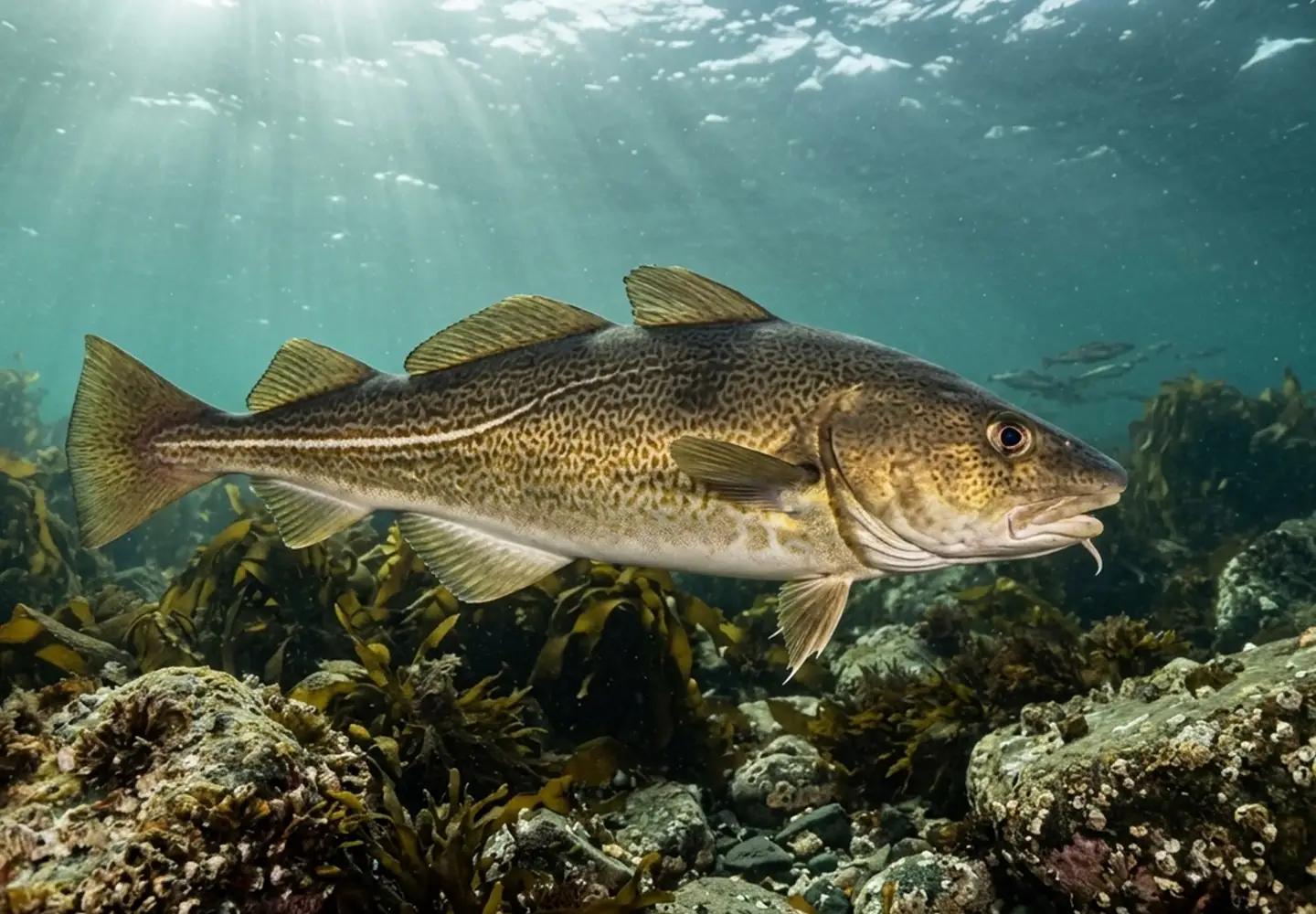
On June 12, 2026, Fisheries and Oceans Canada set the commercial northern cod quota for the waters off Newfoundland and Labrador at 59,000 tonnes for the 2026-27 season, up from 38,000 the year before. Add a five per cent share carved out for foreign fleets and a recreational food fishery now running seven days a week, and the total amount of cod pulled from the water is expected to rise about 55 per cent over 2025. We think cod returning to these waters is one of the best stories on this coast. We also haven’t put cod on the site, and the end of this piece explains why.
What the new northern cod quota actually changes
This is the third straight increase since the fishery reopened. The commercial cod fishery off Newfoundland and Labrador was closed for 32 years, shut in 1992 after the stock collapsed. It reopened in 2024 at 18,000 tonnes, rose to 38,000 in 2025, and now sits at 59,000.
DFO frames the jump as science-based management. Its own assessment puts the stock in the Healthy Zone under Canada’s precautionary framework, and the department set the year’s overall harvest rate at roughly 12 per cent. Fisheries Minister Joanne Thompson tied the decision to the place cod holds in Newfoundland and Labrador, and to the harvesters and plant workers who depend on it. DFO also held the quota for capelin, the small forage fish cod feeds on, flat at 14,533 tonnes.
The headline number is the commercial quota. The number that matters more is total removals: commercial catch, the foreign allocation, and the food fishery combined. By the count from Oceana Canada, that total now runs past 65,000 tonnes.
Two readings of the same fish
Everyone agrees the stock is in better shape than it was. They disagree on what to do about it.
DFO’s read is that the stock has rebuilt into the Healthy Zone and can support more fishing while staying there. The department’s own language is more careful than the headline suggests: it calls the recovery real but fragile.
Conservation groups read the same data and land somewhere else. Oceans North argued for holding total removals far lower, at 42,867 tonnes, citing uncertainty in the stock model and the fact that recreational catch is not closely tracked and may run to thousands of unrecorded tonnes a year. Oceana Canada’s position is blunter: the stock is recovering but not rebuilt, and raising the quota now trades long-term stability for a short-term catch.
Both sides keep returning to capelin. Cod recovery does not happen in isolation, and capelin is the main thing cod eats. Its numbers are still a fraction of what they were before the collapse, and DFO has named the shortage of capelin as the single biggest brake on cod coming back. Holding the capelin quota flat is meant to protect that food supply, though Oceana wanted it cut further. If you want the longer version of how this works, we get into it in why capelin matters to cod.
What cod means to Newfoundland
It is hard to overstate this. For close to 500 years, cod was the reason there were towns on that coast at all. It was food, wage, and export, the thing that filled the holds and built the outports. Then it was gone. The 1992 moratorium put roughly 30,000 people out of work in a single stroke, the largest layoff in Canadian history, and it never fully came back. Whole communities thinned out and some emptied.
There is a detail that captures the weight of it. The Marine Stewardship Council, the body that now runs the most recognized sustainability certification in seafood, was created in 1997, partly in response to this exact collapse. The fish that crashed off Newfoundland helped invent the modern idea of certified sustainable fishing. That history is why “the cod are back” is never a small sentence here, and why we treat the news with both hope and caution. We get into the deeper backstory in salt cod trade history.
The Fishmonger’s Take
We love that cod is coming back. We would like nothing more than to one day sell our customers great Canadian cod, and we are watching this recovery closely and rooting for it.
We are not selling it yet, because it does not clear our bar. Ocean Wise recommendation is our floor, not our ceiling, and beyond that we want certification and traceability we can stand behind. Right now the Newfoundland and Labrador fishery is in full assessment for Marine Stewardship Council certification, which is a real step but not the same as being certified. A stock that the people managing it describe as recovering but fragile, and that conservation scientists call not yet rebuilt, is not somewhere we are comfortable sourcing from today.
That is our call, and only ours. Plenty of good people are buying and selling cod right now, and this is not a knock on any of them. We just hold our own sourcing to a standard, the same one we explain in sustainable seafood in Atlantic Canada. When northern cod clears that bar, we will be glad to put it in the market. Until then, we will keep watching the water.