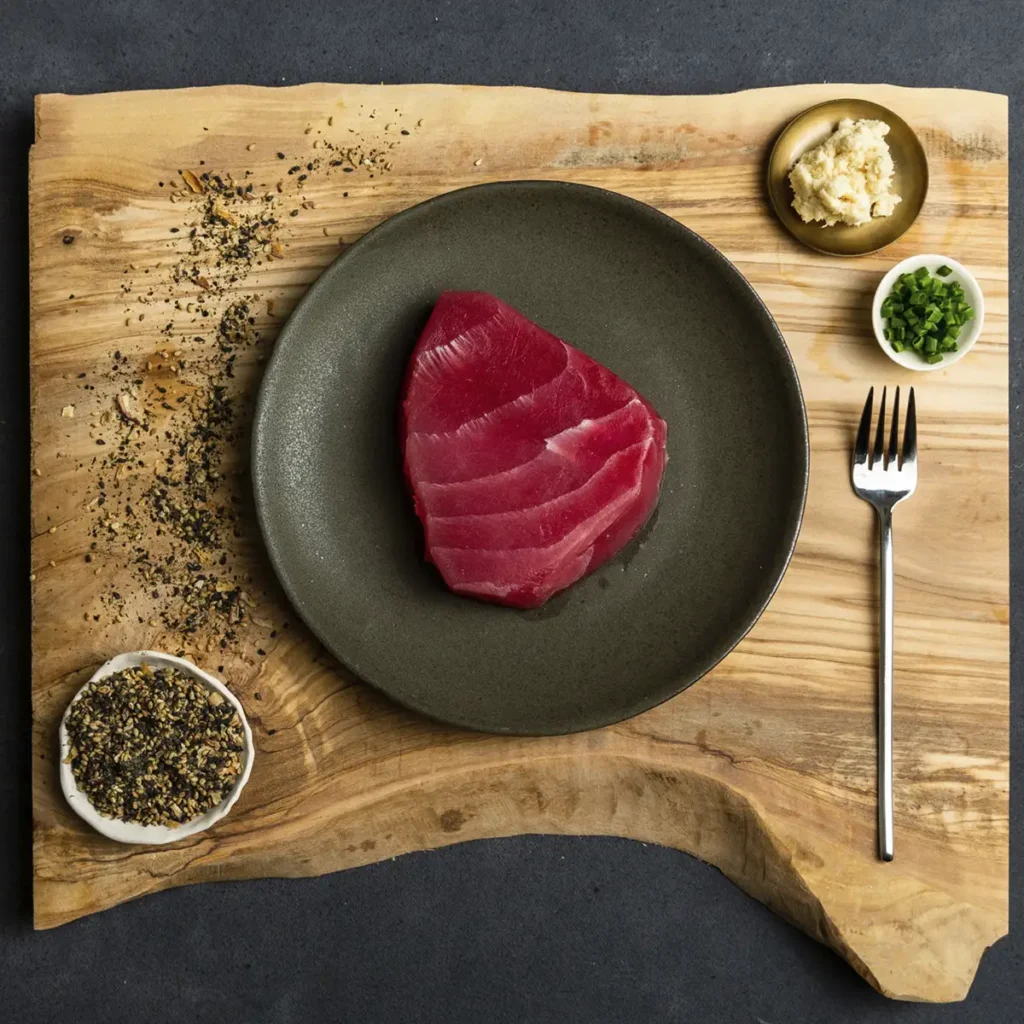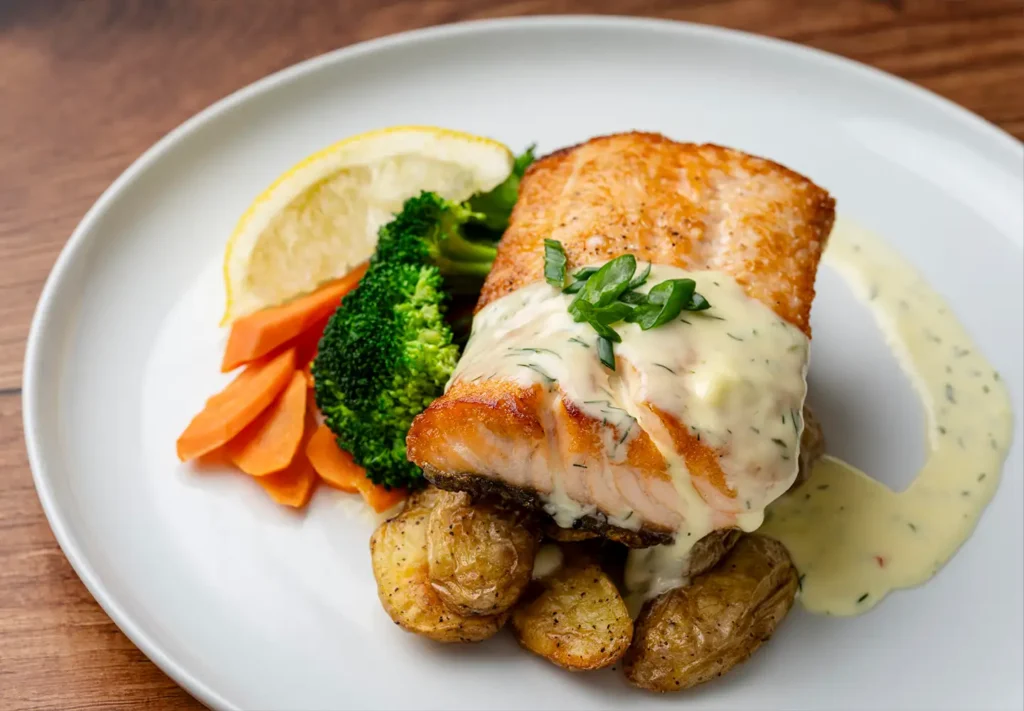

When people talk about improving heart health, fish tends to come up quickly. Not as a trend, but as something that has been consistently supported over time. So what is actually behind that? And what are the best fish for heart health?
Before getting into specifics, it is worth being clear. This article is for general educational purposes only and is not medical advice. If you have specific health conditions or concerns, you should always consult a qualified healthcare professional.
With that said, the connection between fish and heart health is one of the more well-established areas in nutrition.
Why fish is good for heart health
The link between fish and heart health comes down largely to one group of nutrients: omega-3 fatty acids.
Fatty fish contain two key types, EPA and DHA, which have been widely studied. The American Heart Association notes that eating fish, especially fatty fish, is associated with a lower risk of cardiovascular disease.
Similarly, Health Canada notes that fish consumption has been associated with a reduced risk of sudden cardiac death in healthy people, and identifies fatty fish such as salmon, mackerel, herring, sardines, and trout as good sources of DHA and EPA omega-3 fatty acids.
This is not about a single meal. It is about consistent intake over time.
What omega-3 fatty acids actually do
Omega-3s are often mentioned, but not always explained clearly.
At a basic level, they support several processes related to heart health:
- Help reduce inflammation
- Support normal heart rhythm
- Lower triglyceride levels
The National Institutes of Health notes that EPA and DHA play important roles in cardiovascular function and overall health. A simple way to think about it is this. These fats do not act like a quick fix. They support the systems your body relies on every day.
Best fish for heart health
Not all fish contain the same levels of omega-3s. The highest amounts are found in fatty fish.
| Fish | Omega-3 level | Why it works |
|---|---|---|
| Salmon | High | One of the most studied sources of EPA and DHA |
| Mackerel | High | Very rich in omega-3 and often affordable |
| Sardines | High | Small fish with strong nutrient density |
| Herring | High | Traditional, nutrient-dense option |
| Trout | Moderate to high | Accessible and versatile |
These fish are consistently recommended because they deliver meaningful amounts of omega-3s in realistic portion sizes.
Lean fish and heart health
Lean fish still has a role to play.
Options like cod, haddock, and pollock are lower in fat, which means they also contain less omega-3. But that does not make them unhealthy.
They still provide:
- High-quality protein
- Lower saturated fat than many meats
Health Canada includes a variety of fish as part of a healthy diet, not just fatty species. So, while lean fish may not be the “best fish for heart health” in terms of omega-3 content, they still contribute to an overall balanced approach.
How often should you eat fish for heart health
This is where things usually get overcomplicated, but it does not need to be.
You do not need to eat fish every day to see benefits. What matters more is consistency over time.
A simple benchmark comes from the American Heart Association, which recommends eating fish at least twice per week, especially fatty fish.
In Canada, guidance takes a slightly broader approach. Health Canada encourages including fish regularly as part of a balanced diet and highlights fatty fish like salmon, mackerel, and trout as important sources of omega-3 fatty acids.
In practical terms, this is less about hitting a perfect number and more about building a habit. If you are currently eating fish once a week, moving to two is a meaningful step. If you are not eating it at all, even adding it occasionally is a start.
Think of it less like a rule and more like a rhythm. A couple of meals a week is enough to make a difference over time.
How to cook fish for heart health
How you prepare fish does matter. Broccoli is good for you, but if it’s drowning in cheese, it will have an impact on the overall health of the dish (even though it’s delicious).
The goal is to keep the nutritional benefits without adding unnecessary fats.
Better approaches include:
- Baking at 180–200°C (350–400°F)
- Grilling
- Light pan cooking with minimal oil
Deep frying can add significant calories and fats, which works against the goal of supporting heart health.
Fish vs supplements for omega-3s
At some point, most people consider taking an omega-3 supplement instead of eating fish.
On paper, it seems simpler. A capsule is quick, consistent, and easy to measure. And in certain cases, especially when recommended by a healthcare provider, supplements can absolutely have a place.
But food works differently than isolated nutrients.
When you eat fish, you are not just getting omega-3s. You are getting protein, vitamins like D and B12, and minerals like selenium and iodine, all working together. The National Institutes of Health notes that omega-3s play a role in heart health, but they are typically studied as part of overall dietary patterns, not in isolation
https://ods.od.nih.gov/factsheets/Omega3FattyAcids-HealthProfessional/
There is also the question of consistency. It is one thing to take a supplement for a few weeks. It is another to build meals that you actually enjoy and repeat over time.
A simple way to think about it is this. Supplements can help fill a gap. Fish helps build a foundation.
Fish vs chicken for heart health
Chicken is often the default protein for a reason. It is affordable, familiar, and easy to work into almost any meal.
If your only goal is to get more protein, chicken does that job well. It is lean, reliable, and efficient.
But heart health is not just about protein.
Fish brings something different. In addition to protein, it provides omega-3 fatty acids that are directly linked to cardiovascular health. The American Heart Association specifically highlights fatty fish as part of a heart-healthy eating pattern.
That does not mean chicken is a poor choice. It just means it plays a different role.
A helpful way to look at it is this. Chicken helps you hit your protein goals. Fish helps support your overall health in ways protein alone cannot.
In practice, the best approach is not to replace one with the other, but to use both. Keep chicken as a staple, and bring fish in regularly to round things out.
Simple ways to add heart-healthy fish to your diet
This is where people often get stuck. Not because they do not want to eat fish, but because they are not sure how to make it part of their routine.
The good news is that it does not take much to shift things in the right direction.
Start small. Replace one meal a week with fish. That alone is a meaningful change. Once that feels normal, add another.
Think in terms of patterns, not perfection.
For example:
- One fatty fish meal during the week, like salmon or mackerel
- One lean fish meal, like haddock or cod
- Keep everything else the same
You do not need to reinvent your meals. Fish works well with the same basics most people already use. Rice, potatoes, vegetables, simple sauces. The structure stays the same, only the protein changes.
Over time, it becomes less of a decision and more of a default.
That is really the goal. Not to force a new habit, but to make it feel like a natural part of how you already eat.
How seafood quality affects heart health benefits
Nutritional value depends not just on what you eat, but how it is handled.
Fish that is properly stored and processed retains its structure and nutrients more effectively. Poor handling can lead to moisture loss and reduced quality.
A simple analogy is a sponge. When the structure is intact, it holds water and performs well. When damaged, it loses that ability.
Sustainably sourced seafood from Afishionado is handled with care to maintain quality and consistency, helping you get the most out of each portion.
Final thoughts
The idea of the best fish for heart health is not complicated.
Fatty fish like salmon, mackerel, and sardines provide the most omega-3s. Lean fish still plays a role. And consistency matters more than perfection.
Fish is not a cure or a guarantee. But it is one of the more reliable, well-supported ways to support heart health through diet.
When you include it regularly, alongside other balanced choices, the benefits add up over time.