As of October 19, 2026. Applications are open and no projects have been announced.
The basics
- Ottawa and the four Atlantic provinces renewed the Atlantic Fisheries Fund on October 15, 2026, with more than $300 million over five years.
- Ottawa pays 60 percent and the provinces pay 40, a bigger provincial share than the first fund’s 70/30 split.
- Projects have to fit one of four areas: finding new markets, innovation, new equipment and processes, or science partnerships. The new-markets area is the addition this time.
- The reason is concentration. Three markets bought 89 percent of Canada’s seafood exports in 2025.
- Applications are open now. No projects have been funded yet.
On October 15, Fisheries Minister Joanne Thompson and the four Atlantic provinces renewed the Atlantic Fisheries Fund for five more years, with more than $300 million attached. According to the Fisheries and Oceans Canada (DFO) news release, Ottawa pays 60 percent and the provinces 40. Applications opened that day.
If “trade” keeps turning up in the seafood news you read, this fund is part of the reason.
What the fund pays for
The fund is what government calls a contribution program: public money paid into approved projects, with each recipient signing an agreement that sets the terms. Businesses in fishing, processing and aquaculture can apply, along with Indigenous groups, industry associations, universities and research institutions, according to DFO’s page for the fund. The first version launched in 2017, ran nine years with more than $370 million behind it and funded 1,331 projects up to March 31, 2026, DFO says. It split 70/30, so under 60/40 the provinces now carry a larger percentage of the cost.
A project has to fit one of four areas, which DFO calls pillars:
- Market diversification. Export advertising, market research, and research on the rules other countries set for imported seafood. This pillar is new.
- Innovation. Research that makes the sector more productive or sustainable.
- Infrastructure. New equipment and processes. Past rounds paid for vessel upgrades that keep lobsters alive in storage.
- Science partnerships. Industry working with universities and research institutions to study how changing ocean conditions affect fisheries.
Why the Atlantic Fisheries Fund is about trade
Canada exported $8.47 billion in fish and seafood in 2025, and the European Union (EU), China and the United States bought 89 percent of it, according to DFO export figures. Those exports reached 114 countries, CBC reports, but most of the money comes from three markets.
When a few markets take most of what you sell, a dispute with one of them can hit a large share of sales at once. Thompson told St. John’s radio station VOCM the funding will help harvesters diversify their catch and adjust to the ongoing trade war with the United States. China suspended its 25 percent tariff on Canadian lobster and crab from March 1 to the end of 2026, according to Global Affairs Canada, and CBC reports it is unclear whether that will be extended.
The DFO release itself names neither country. It says the new pillar should make the sector more resilient to global trade disruptions.
The stakes are real: Newfoundland and Labrador’s sector alone generated a record $2.11 billion in market value in 2025, the provincial government says.
What this means here
For harvesters, crews, plants and coastal communities, the fund can put money toward work that is hard to pay for alone: a plant upgrade, a study of a new market’s import rules, a research partnership.
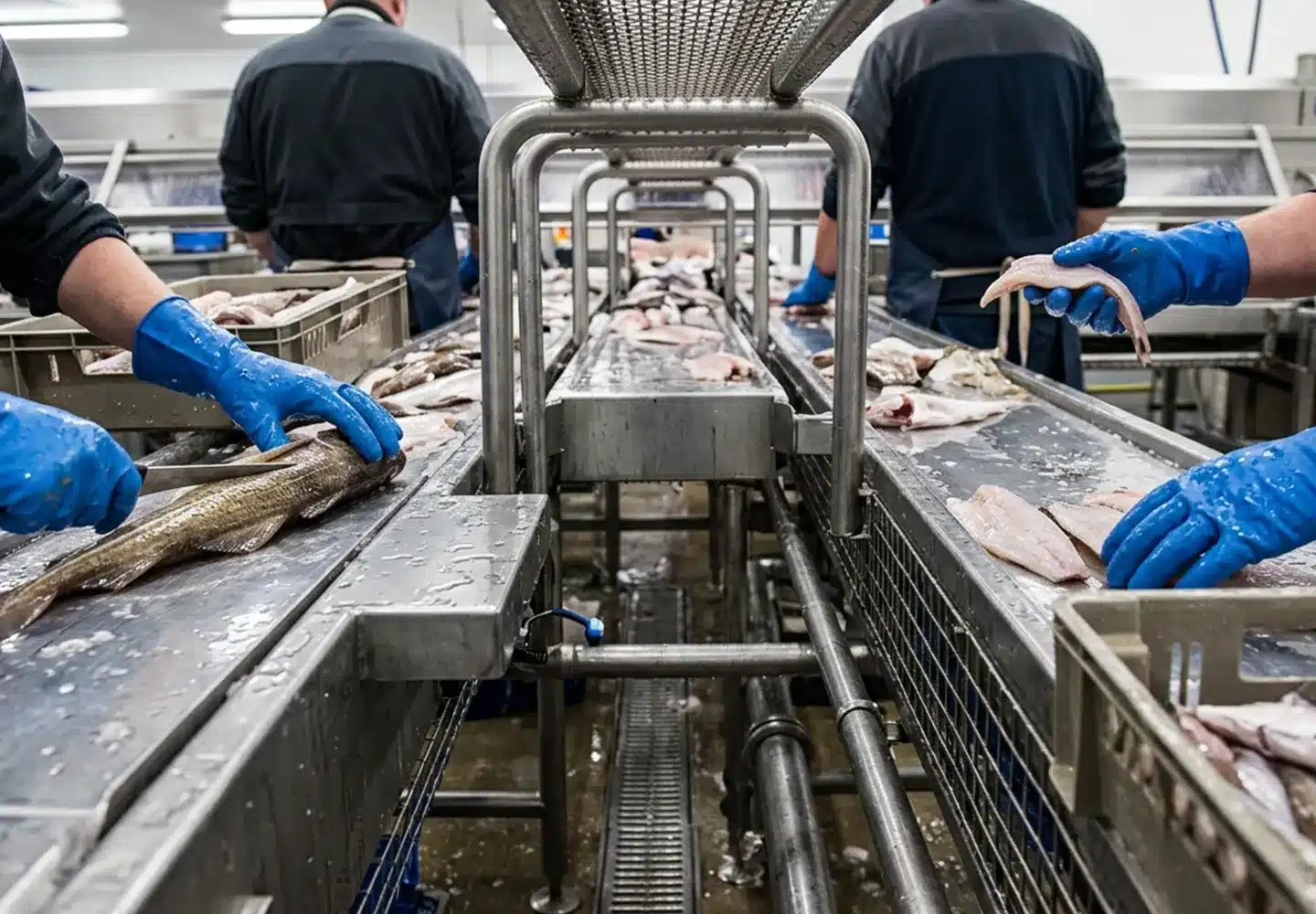
The Fish, Food and Allied Workers union (FFAW-Unifor), the union for Newfoundland and Labrador’s small-boat fishery, from licence holders to plant workers, welcomed the renewal, Newfoundland broadcaster NTV reported, citing rising pressures on the inshore fleet that fishes close to shore. It said it will keep advocating for funding independent harvesters can access.
Nova Scotia set a similar goal in its seafood strategy this summer, and our guide to the global fish trade shows how seafood moves between countries.
The fishmonger’s take
Relying on two or three buyers is a risk this region has felt firsthand since 2025, and spreading sales across more of them is the right instinct. The test is whether the money reaches the people on the water: the inshore harvester, the deckhand, the plant worker, and not only operators with staff to write applications. The list of funded projects will answer that. For the record, Afishionado has no part in this fund.