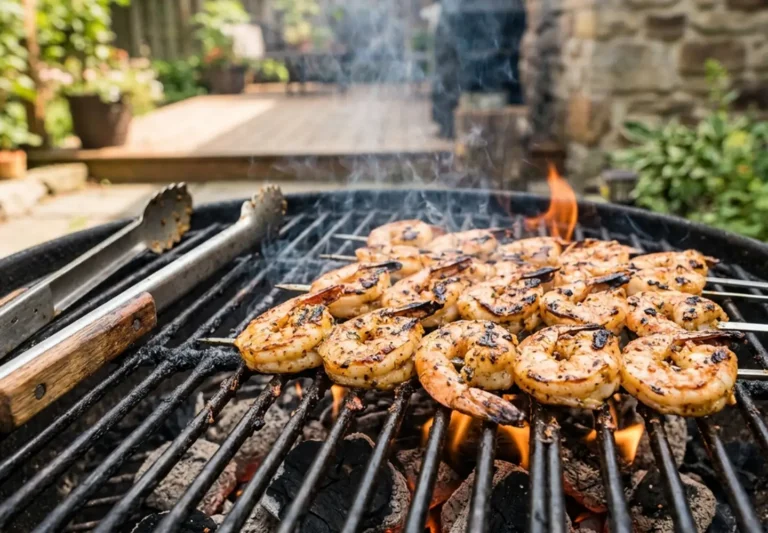
If your fish has ever turned out dry, overcooked on the outside, or fallen apart too easily, the issue is often not the recipe. It is the heat. Understanding cooking fish temperature is one of the most important factors in getting consistent results.
Heat does not just cook fish. It changes its structure. The way you apply that heat determines whether the fish stays moist and firm or becomes dry and fragile.
Why cooking fish temperature matters more than you think
Cooking is the final step in a chain that starts much earlier. The way fish is handled, frozen, and thawed all affect how it responds to heat.
If the structure has already been weakened, high heat will expose that quickly. If the fish is in good condition, proper temperature control will help preserve its texture.
Temperature determines:
- how quickly proteins tighten
- how much moisture is lost
- how evenly the fish cooks
If you want to understand what happens before cooking, read our guide on frozen fish quality and how it affects structure.
What happens to fish when it cooks
When fish is exposed to heat, its proteins begin to denature. This means they change shape and tighten, which pushes water out of the muscle.
This process happens quickly in fish compared to other proteins because the structure is more delicate.
A simple way to understand this is to think of egg whites. When raw, they are soft and fluid. As they heat, they turn firm and opaque. Fish behaves in a similar way, but more quickly.
The higher the heat, the faster this process happens. If it happens too quickly, moisture is lost before the fish has time to cook evenly.
Food science research shows that protein denaturation and moisture loss are directly linked to cooking temperature and final texture.
High heat cooking: when it works
High heat is useful when you want to create a strong surface texture while keeping the inside tender.
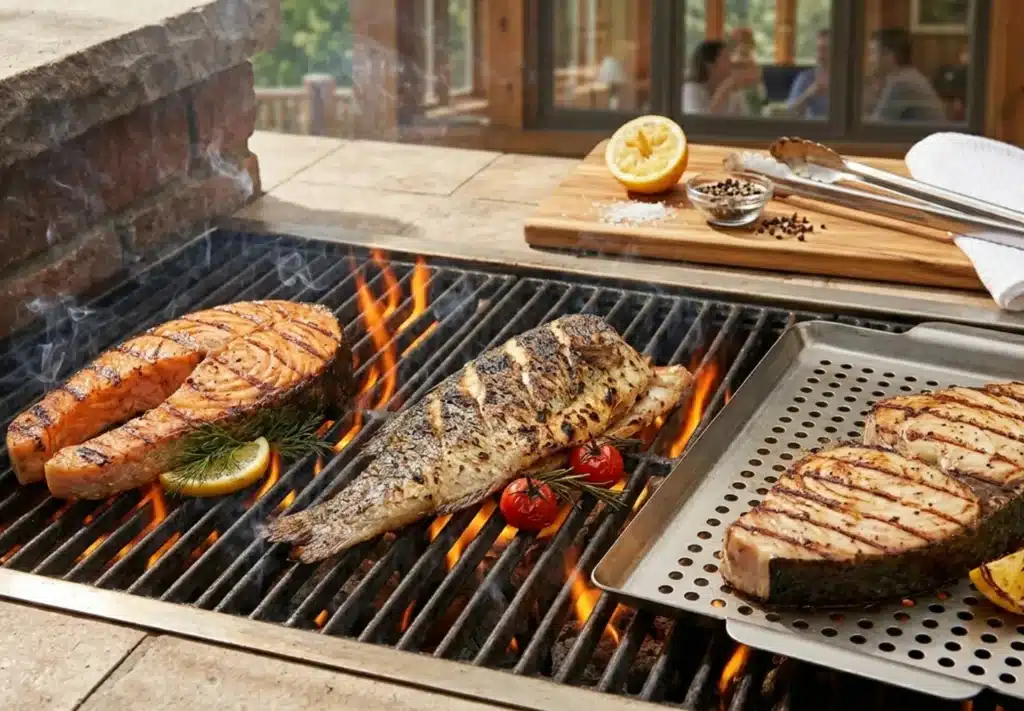
Searing and grilling rely on high heat to develop flavour through browning. This works best when the fish can hold its structure under that intensity.
Best fish for high heat
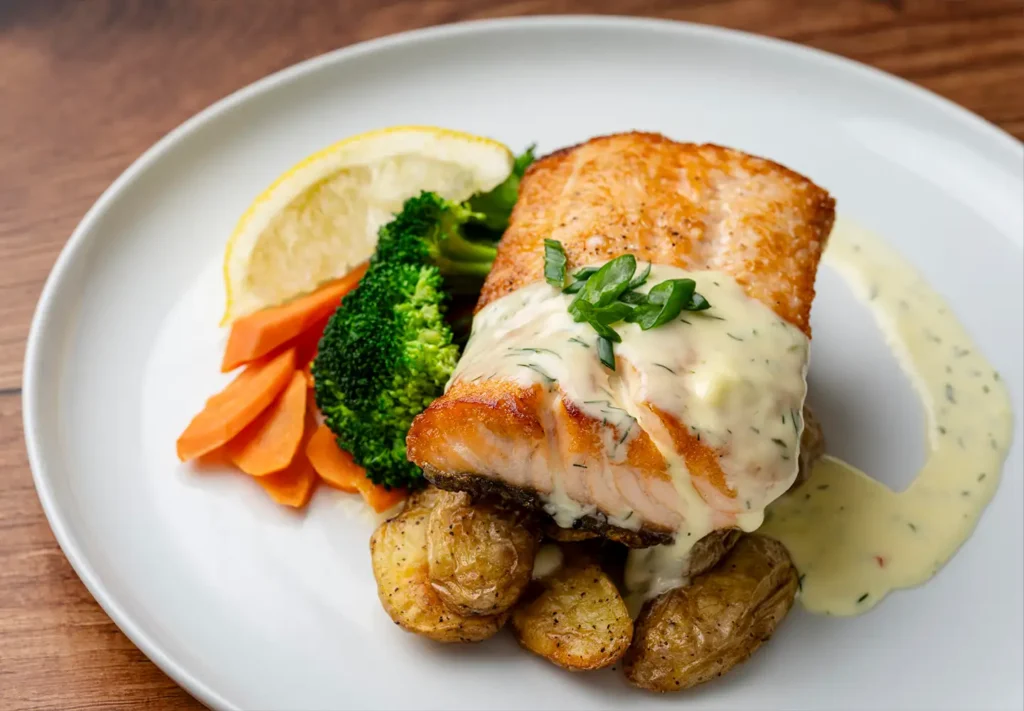
- Salmon
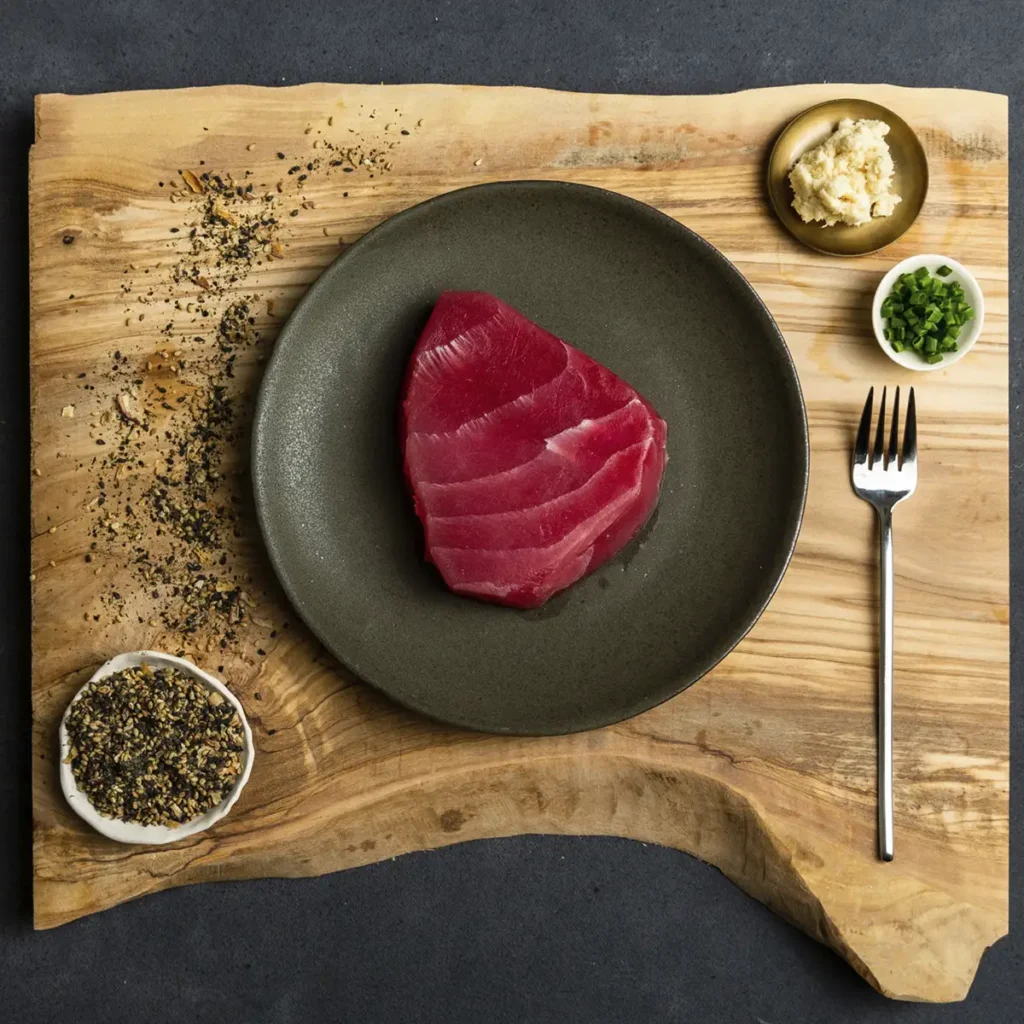
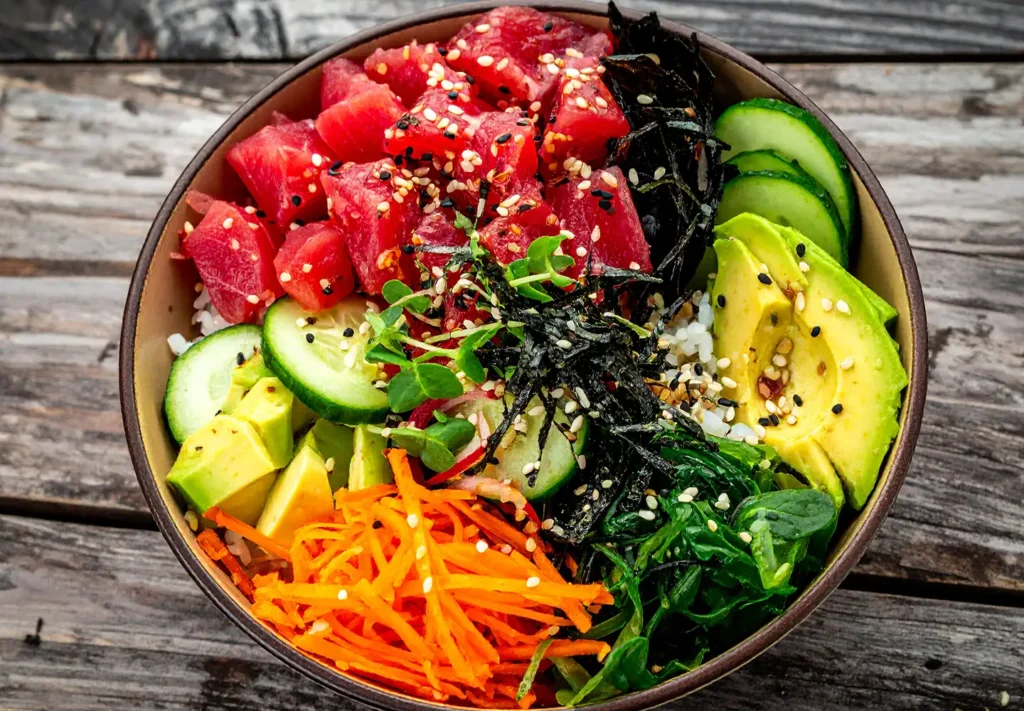
- Tuna
- Swordfish
- Mahi-mahi
These fish have firmer muscle structure or higher fat content, which helps them tolerate higher temperatures without drying out as quickly.
This is where quality matters most. High heat exposes flaws immediately. Fish that has been handled well will hold together and develop a clean sear.
Starting with properly-handled seafood makes high heat cooking more predictable and consistent.
Low heat cooking: when it works
Low heat cooking focuses on control rather than speed. It allows the fish to cook gently and evenly, reducing the risk of moisture loss.
Methods like poaching, steaming, or using a low oven temperature are ideal for delicate fish.
Best fish for low heat
- Cod
- Haddock
- Halibut
- Sole
These fish are more fragile and benefit from slower cooking. Lower temperatures help maintain their structure and prevent them from falling apart.
Why high heat can go wrong
High heat can cause problems when it is not matched to the fish.
If the surface cooks too quickly, it can tighten before the inside has time to cook properly. This leads to uneven texture.
Common issues include:
- dry outer layers
- undercooked centre
- fish breaking apart during cooking
This is especially noticeable if the fish has already been affected by freezing or thawing.
Why low heat can go wrong
Low heat is not always the safer option. Cooking too slowly can also create problems.
Without enough heat, fish can:
- lose structure over time
- become soft or mushy
- lack surface flavour
The goal is not just low heat. It is controlled heat.
How to choose the right cooking temperature
Choosing the right approach depends on a few key factors.
The type of fish matters. Fatty, firm fish can handle higher heat. Lean, delicate fish benefits from lower heat.
Thickness also plays a role. Thicker cuts can tolerate higher surface heat because the interior has more time to cook gradually.
The starting condition matters as well. Fish that has been frozen and thawed improperly will be more fragile and less suited to high heat cooking.
Best internal temperature for fish
Fish does not need to be cooked to a high internal temperature to be safe and enjoyable.
Most fish is best between 52°C and 60°C (125°F to 140°F), depending on preference and type. Cooking beyond this range increases moisture loss and leads to a firmer, drier texture.
Carryover cooking is important. Fish continues to cook slightly after being removed from heat, so pulling it early helps prevent overcooking.
Canadian food safety guidelines recommend proper cooking temperatures, but quality is best judged by both temperature and texture.
Practical cooking tips for better results
Small adjustments make a big difference when working with fish.
- Pat fish dry before cooking
- Preheat your pan properly
- Avoid overcrowding
- Let fish rest briefly after cooking
If you want to improve flavour without relying on marinades, our guide on how to season fish covers simple techniques that work.
Cooking fish temperature: Bringing it back to quality
Cooking fish temperature is not about choosing high or low heat. It is about using the right heat for the right situation.
Heat does not fix fish. It reveals it. Good fish holds together, retains moisture, and responds predictably. Poorly handled fish breaks down quickly, no matter how carefully you cook it.
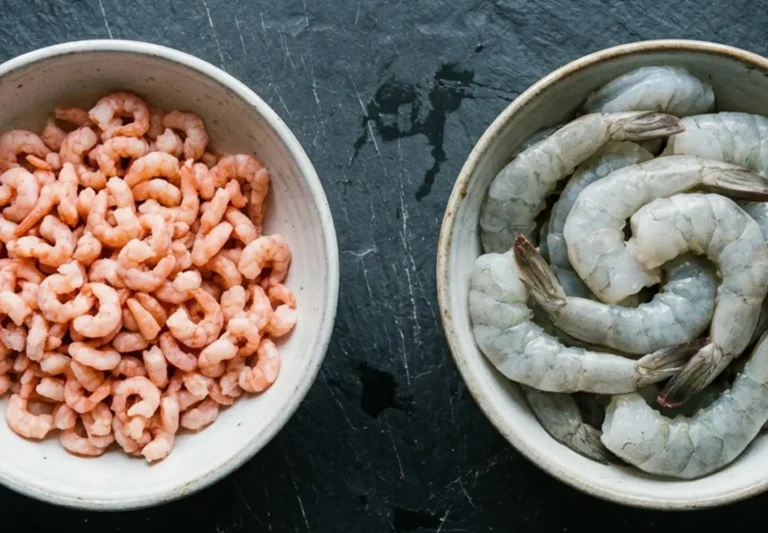
Browse our online fish market to start with fish that performs consistently from pan to plate.