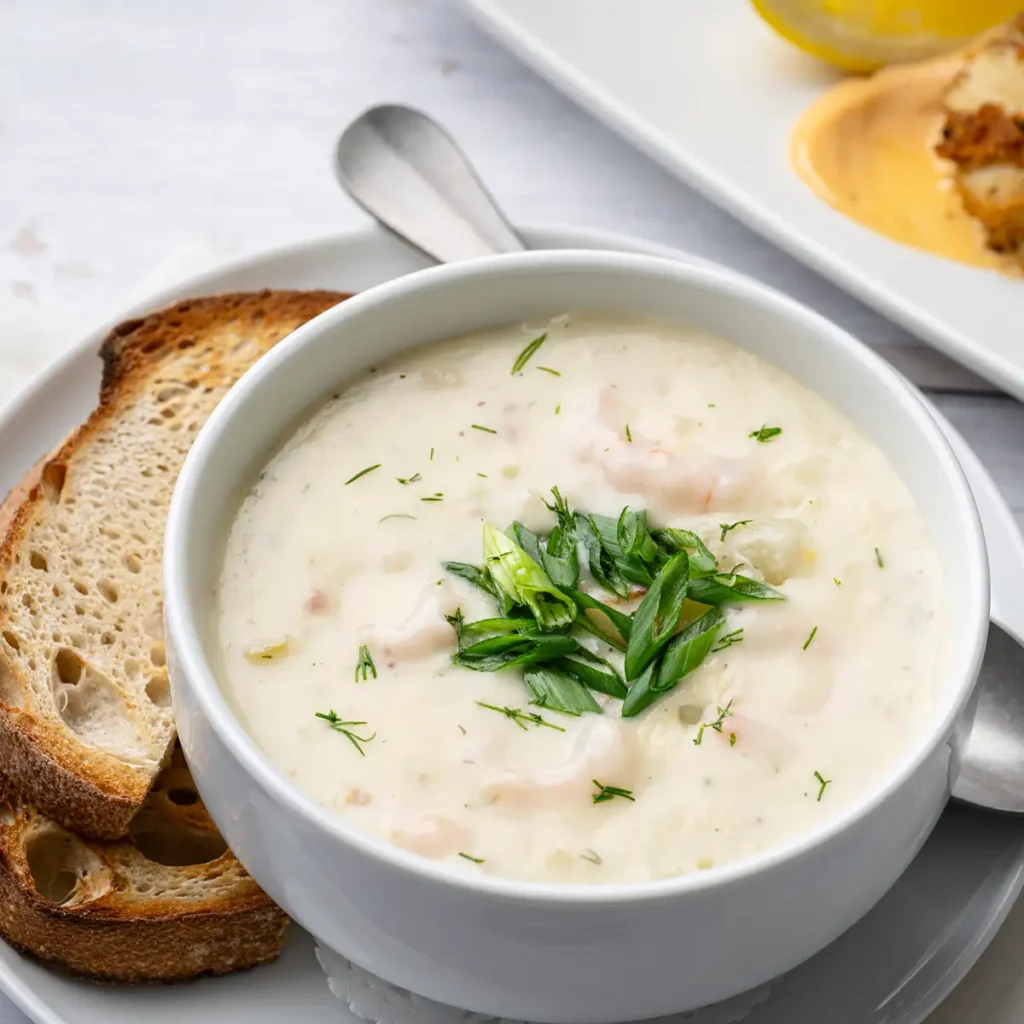
Few dishes capture Atlantic Canada’s spirit like a bowl of seafood chowder. Every family, restaurant, and coastline has its own version, but all great chowders share the same building blocks.
In this guide, I’ll walk you through the universal foundation of chowder-making, then show how to adapt it for clams, fish, corn, or mixed seafood styles. If you’re new to chowder, think of this as your “chowder 101.”
When you’re ready, grab one of our Afishionado Seafood Medley Boxes and we’ll build a simmering pot together.
What makes a great seafood chowder
A great chowder is all about balance, patience, and good ingredients. The best versions are creamy but not heavy, rich with seafood flavour, and full of tender vegetables that still hold their shape. You should taste the sea, the cream, and the comfort in every spoonful. What makes chowder shine is not a secret recipe but using quality seafood, cooking gently, and letting the flavours rest together before serving.
Before you start your seafood chowder: things to avoid
Keep these five tips in mind and your chowder will turn out smooth and flavourful every time.
- Don’t let it boil. Keep the heat low so the milk or cream never bubbles. Aim for gentle steam, about 80 to 85 °C.
- Don’t add cold dairy. Warm milk or cream before adding it to prevent curdling.
- Don’t overcook seafood. Add it last and cook only until it turns opaque or opens.
- Don’t skip seasoning. Taste as you go and add salt in small amounts at each stage.
- Don’t rush the rest. Let the chowder sit off the heat for five minutes so the flavours come together.
The universal building blocks of a great seafood chowder
Every good chowder starts with the same foundation. Once you understand these steps, you can make any version you like, from haddock to mixed seafood or clam chowder.
Step 1: Start with fat and aromatics
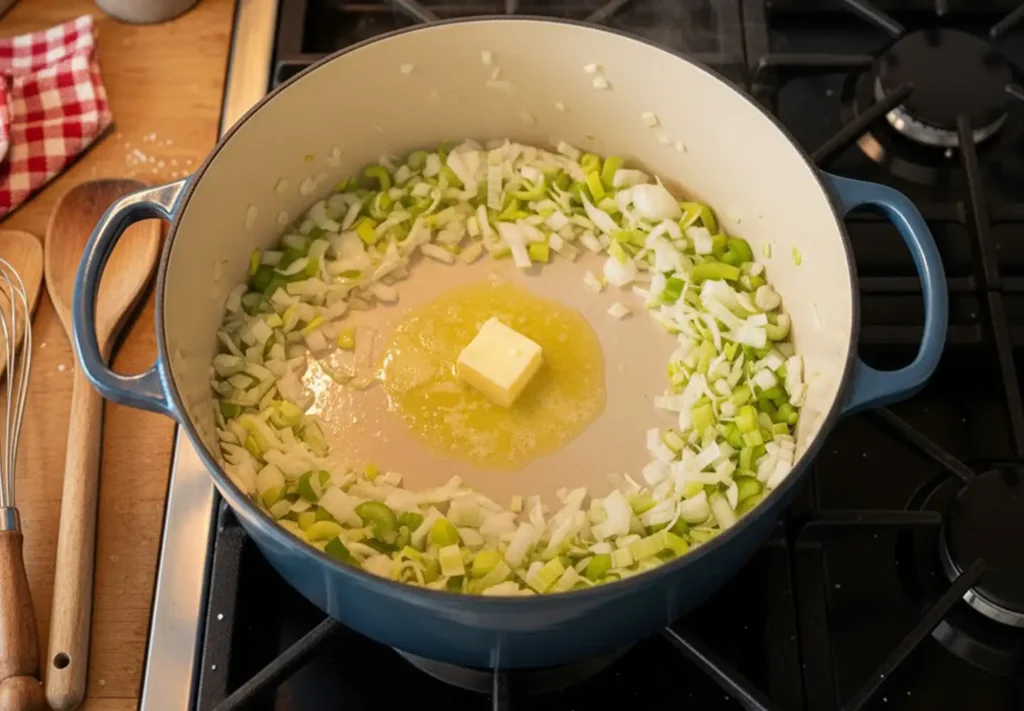
Heat 2 to 3 tablespoons of butter or bacon fat in a heavy-bottomed pot over medium heat. Add diced onion, celery, and, if you like, a bit of leek or garlic. Cook for about 5 minutes, stirring often, until soft and fragrant. This creates the savoury base that gives chowder its depth.
Tip: Use a heavy pot such as a cast iron or enamelled Dutch oven. It spreads heat evenly and helps prevent the milk or cream from scorching later.
Step 2: Create a light thickener (optional)
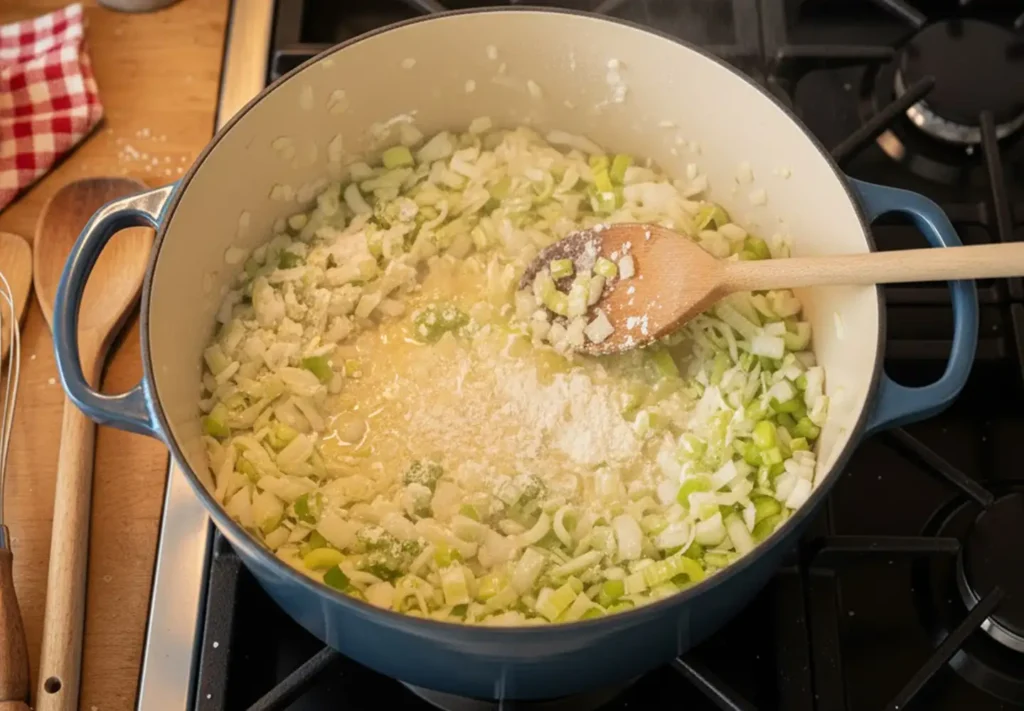
If you want a creamy chowder, sprinkle in 1 to 2 tablespoons of flour and stir to coat the aromatics. Cook for about 1 minute to remove the raw flour taste. This forms a light roux that thickens the broth naturally. Skip this step if you prefer a clear, broth-style chowder.
Tip: Stir constantly while adding flour to prevent lumps. A silicone spatula helps scrape the bottom clean.
Step 3: Add your liquid base
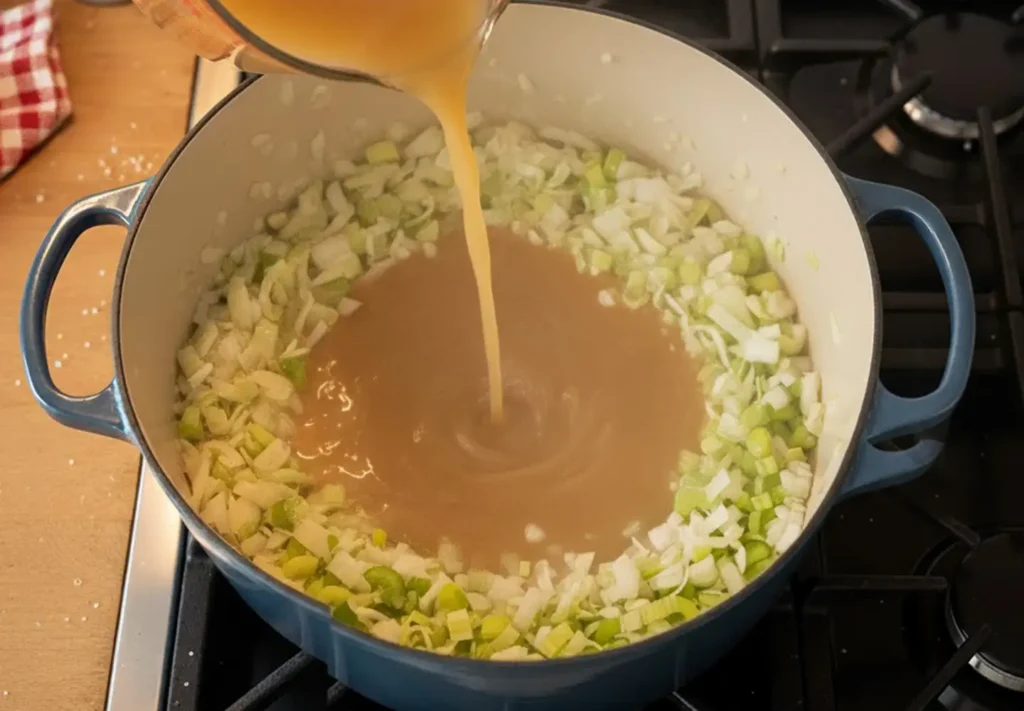
Slowly whisk in about 4 cups of warm seafood stock, fish broth, or clam juice. Bring the mixture to a gentle simmer, then lower the heat. For creamy chowder, add warm milk or cream after the aromatics have softened to prevent curdling.
Tip: Warm the dairy separately before adding it to the pot. Cold milk can cause the base to separate or curdle.
Step 4: Add the vegetables
Add evenly diced vegetables such as potatoes, corn, carrots, or turnip. Potatoes are key because they thicken the broth slightly as they cook. Simmer gently for 10 to 15 minutes, until tender when pierced with a fork.
Tip: Choose waxy potatoes like Yukon Gold. They hold their shape and give chowder a smooth, creamy texture.
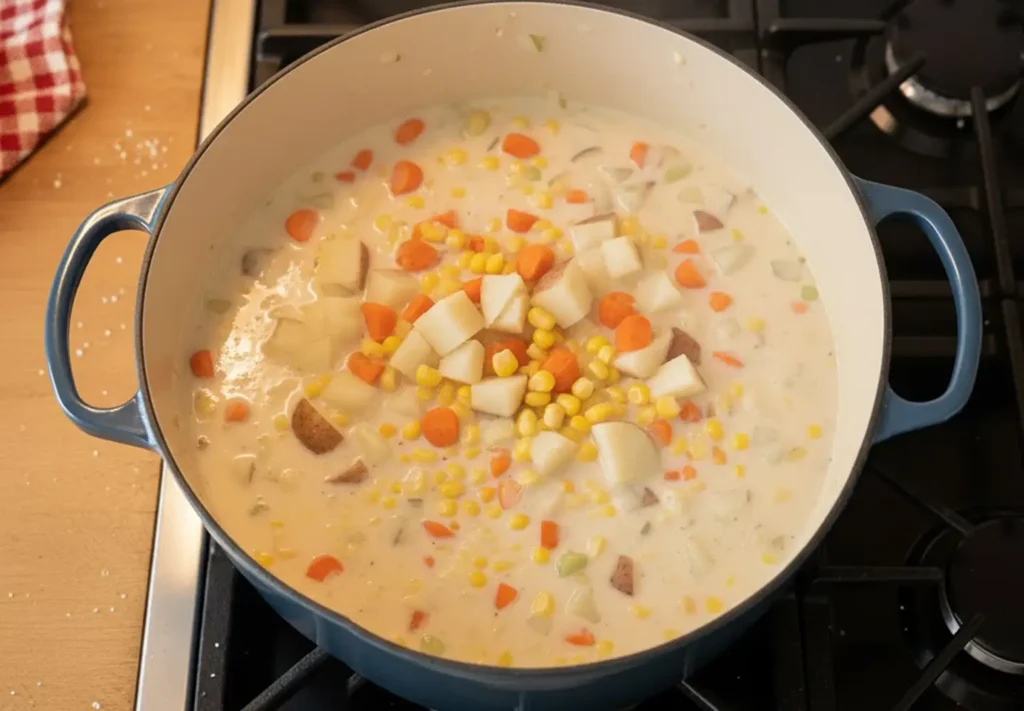
Step 5: Add seafood in stages
This step decides the texture of your chowder. Keep the heat low so the broth gently steams instead of boiling. Add seafood in order of cooking time.
- Shellfish that need to open such as clams and mussels. Add first, cover, and cook 5 to 7 minutes until they open. Remove any that stay closed.
- Firm white fish such as haddock, cod, or halibut. Add next and cook 4 to 5 minutes until opaque and flaking.
- Medium-texture seafood such as salmon or scallops. Add after the fish and cook 2 to 3 minutes until just cooked through.
- Delicate seafood such as shrimp, crab, or lobster. Add last and cook 1 to 2 minutes until shrimp are pink or meat is warmed through.
Tip: Cut seafood into even pieces so everything finishes cooking together. Chowder should be gentle and relaxed, never rushed.
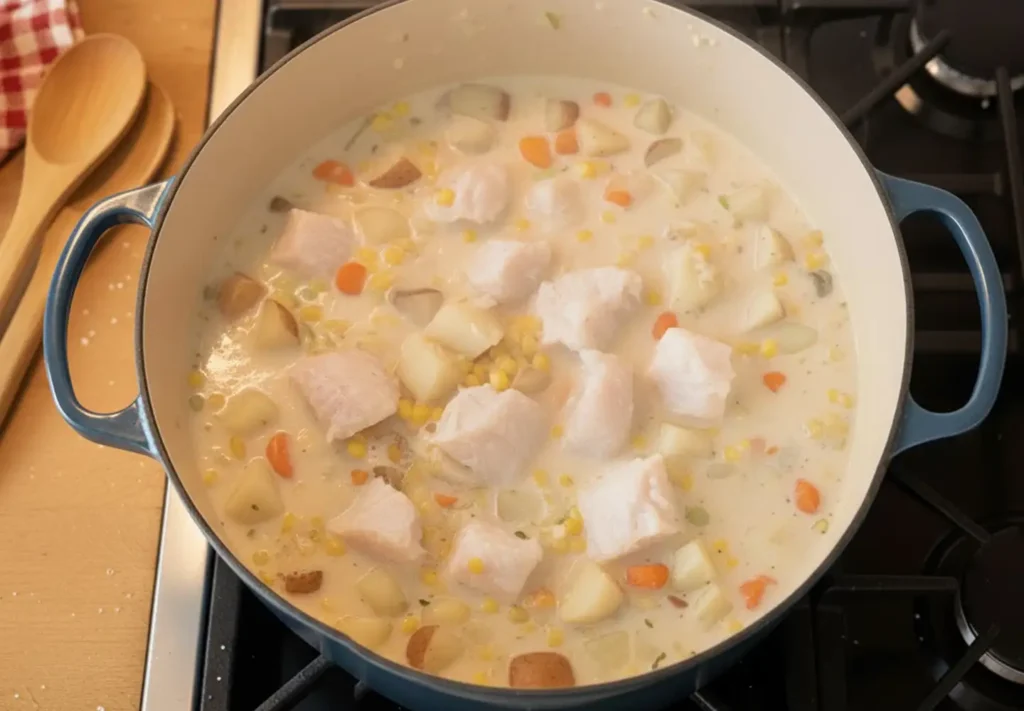
Step 6: Season and finish
Once all the seafood is cooked, reduce the heat to low. Stir in a small splash (about ¼ cup) of warm cream or milk. Season with salt, pepper, thyme, bay leaf, and parsley, then taste and adjust. Let the chowder rest, covered, for 5 minutes off the heat so the flavours can blend and the texture thickens slightly.
Tip: Chowder tastes even better after it rests. If you can, make it an hour ahead and reheat gently before serving.
Regional seafood chowder and style variations
Once you understand the foundation, the rest is just small adjustments. Each chowder begins with the same base, but a few tweaks in ingredients, texture, or seasoning can take it in a completely new direction. Keep your pot on low to medium-low heat throughout. The surface should show small ripples and a little steam, but never bubbling. If it starts to simmer hard, lift it off the heat for a moment and stir. That’s how you avoid milk or cream burning on the bottom.
Note: Different chowder styles sometimes change the order of adding seafood. In this guide, we use a consistent sequence from firm to delicate to avoid overcooking. If you follow these steps, your fish and shellfish will always stay tender, no matter which style you make.
A. New England clam chowder
A rich, creamy favourite from the northeastern United States that feels right at home in Atlantic Canada.
How to adapt the base:
- Use bacon fat instead of butter for the aromatics. Cook a few slices first, then use the rendered fat to sauté onion and celery.
- Add the chopped bacon back in once it’s crisp.
- Use equal parts milk and light cream for the liquid base. Keep the pot at medium-low heat, never above 85 °C (185 °F), so the dairy stays smooth.
- Add potatoes as usual, then the chopped fresh clams with their juice near the end. Cook clams for about 3–4 minutes until just firm.
Try a more complex version here:
The Ultimate Clam Chowder – Canadian Living
B. Maritime seafood chowder
The heart of Nova Scotian cooking. Creamy, hearty, and loaded with local seafood.
How to adapt the base:
- Add a splash of white wine after cooking the aromatics, then let it reduce for 1 minute before adding stock.
- Use a mix of fish stock and cream for a balanced flavour. Keep the heat low to medium-low, under 85 °C (185 °F).
- Layer seafood in stages: mussels and clams first, scallops and shrimp next, and haddock and cod last.
- Let the chowder rest 5 minutes off the heat before serving to allow the seafood to finish cooking gently.
Try a more complex version here:
Nova Scotia Seafood Chowder – Taste of Nova Scotia
C. Traditional fish chowder
A simple, rustic style that often relies on what was caught that morning. Light, flavourful, and easy to digest.
How to adapt the base:
- Skip the flour for a thinner broth.
- Use evaporated milk instead of cream for richness without heaviness.
- Keep the heat medium-low and stir every few minutes to prevent milk from sticking.
- Use only one firm fish, such as haddock or cod, cut into large chunks and cooked for about 5 minutes until just flaking.
Try a more complex version here:
Classic Fish Chowder – Dairy Farmers of Canada
D. Corn and haddock chowder
A lighter, sweeter variation perfect for summer when corn is in season.
How to adapt the base:
- Sauté the corn kernels with the aromatics to caramelize their sugars slightly.
- Use half milk and half stock instead of full cream to keep it light.
- Maintain low heat once dairy is added and stir often so the corn’s natural sugars don’t stick to the bottom.
- Add chunks of haddock in the last 5 minutes of cooking, letting them poach gently until opaque.
Try a more complex version here:
Corn and Haddock Chowder – Chatelaine
E. San Francisco-style (Cioppino inspiration)
A tomato-based seafood stew that uses the same layering technique as chowder but trades cream for tomatoes and herbs.
How to adapt the base:
- Replace the cream with crushed tomatoes and seafood stock.
- Add garlic, fennel, and red pepper flakes to the aromatics for depth.
- Keep the pot at a gentle medium simmer, around 90 °C (195 °F).
- Add firm fish first, shellfish next, and shrimp last, just like with cream-based chowder.
Try a more complex version here:
Cioppino – Food Network Canada
Seafood chowder: Final thoughts
Making chowder is more about care than complexity. Once you know the steps, you can build any version you like, whether it’s a creamy Maritime seafood chowder or a light, rustic fish chowder made with the catch of the day. Keep your heat low, season as you go, and let it rest before serving. That’s how you get the kind of flavour that reminds you of the coast.
When you cook with local seafood, you’re not just making a meal, you’re supporting the people and waters that make Atlantic Canada special.
Bring the taste of the Maritimes to your kitchen. Order your seafood from Afishionado, all sustainably sourced from trusted producers and delivered right to your door.