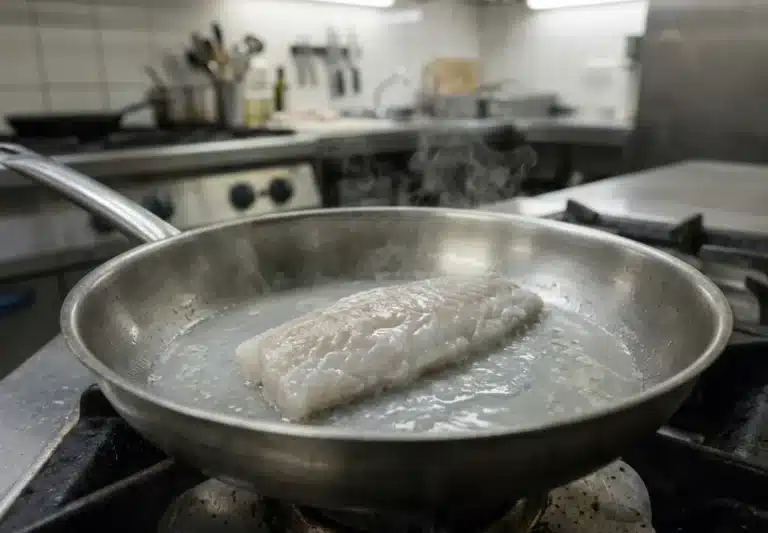
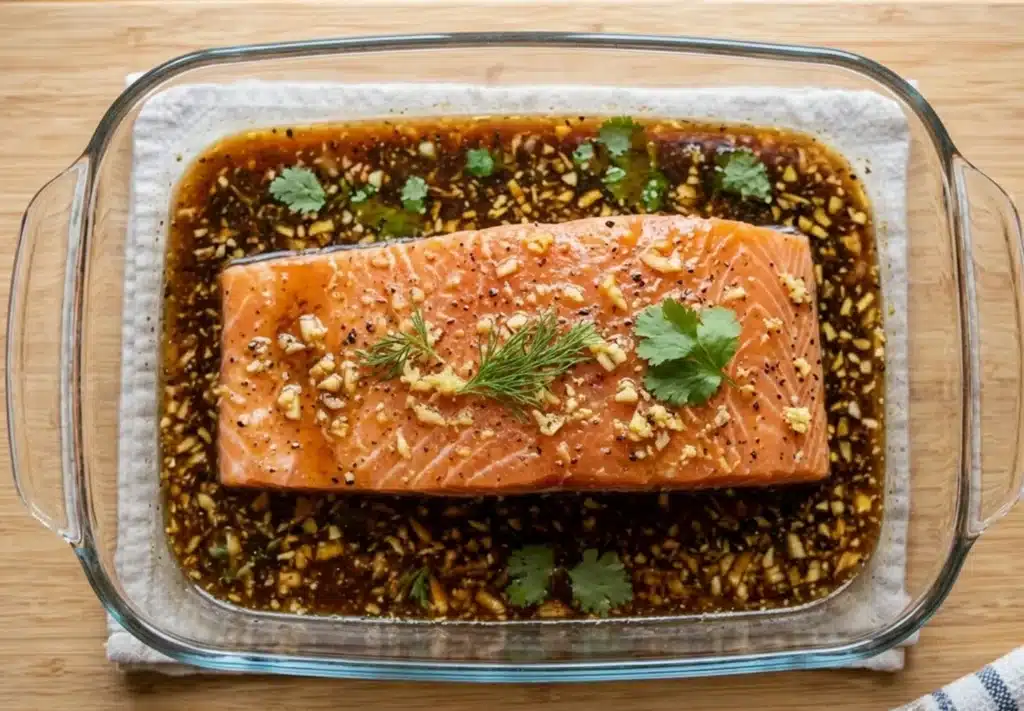
Marinating fish is one of those things that sounds like it should always improve flavour. In reality, it can either enhance a great piece of fish or quietly ruin its texture. If you have ever ended up with fish that felt soft, chalky, or fell apart too easily, the marinade may have played a role.
Understanding marinating fish is not about adding more ingredients. It is about knowing what those ingredients are actually doing to the structure of the fish.
Why marinating fish is not the same as marinating meat
Fish behaves very differently from other proteins. Beef and pork have dense muscle fibres and more connective tissue. That structure allows marinades to sit on the surface longer without dramatically changing texture.
Fish is more delicate. Its muscle fibres are shorter, softer, and contain less connective tissue. This means marinades interact with the flesh much more quickly.
The result is simple. Fish absorbs flavour faster, but it also breaks down faster. What works well for steak or chicken can easily go too far with seafood.
What actually happens when you marinate fish
Marinades are made up of a few key components, and each one affects fish differently.
Salt pulls moisture out of the surface of the fish. Over time, some of that moisture can be reabsorbed, but the balance matters. Too much salt or too much time leads to moisture loss.
Acid, such as lemon juice or vinegar, changes the structure of proteins. This is the same process used in ceviche, where fish becomes firm and opaque without heat.
Oil helps carry flavour and coat the surface, but it does not penetrate deeply into the flesh.
The key point is that marinades mostly affect the surface of the fish. They do not soak all the way through like many people assume. Food science research shows that marinades primarily impact the outer layers of proteins, with limited deep penetration.
When marinating fish works
Marinating fish can be effective when used with intention. It works best as a light enhancement rather than a long soaking process.
Short marinades are the most reliable approach. Even 15 to 30 minutes is often enough to add flavour without damaging texture.
Salt-based marinades, or light brining, can improve moisture retention and help the fish cook more evenly.
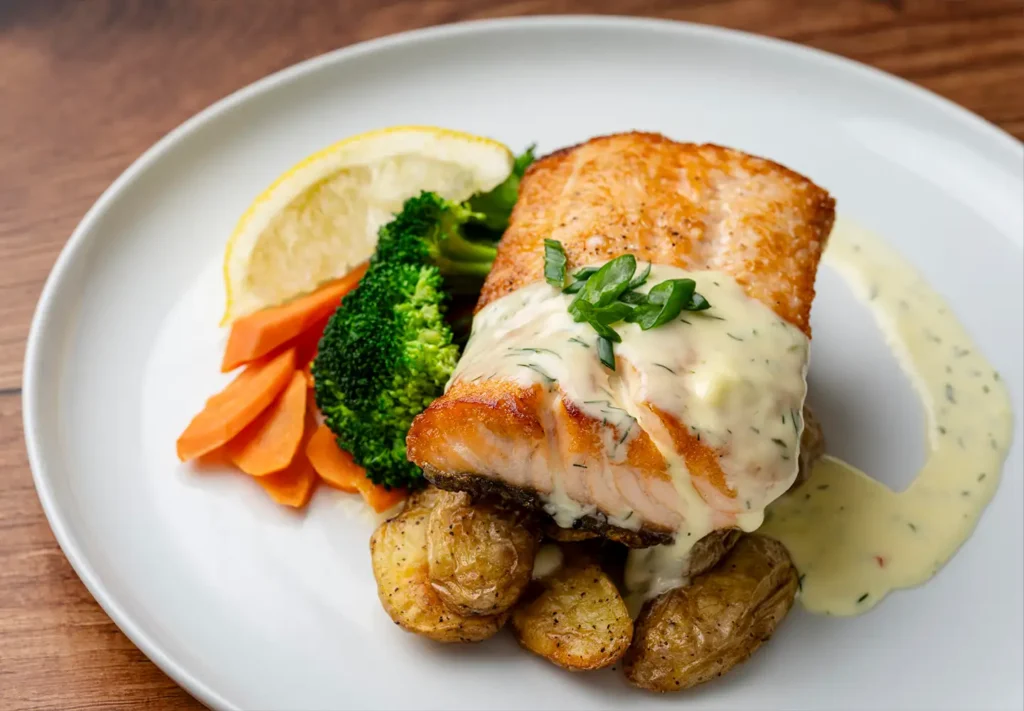
Oil-based marinades are useful for coating the surface and reducing sticking during cooking, especially when grilling or pan-searing.
This is also where quality matters most. Marinades should enhance good fish, not compensate for poor handling or storage. Starting with well-handled seafood makes it easier to get clean flavour without relying on heavy marinades.
Best fish for marinating and which to avoid
Not all fish respond to marinades the same way. The difference comes down to structure, fat content, and how tightly the muscle holds together.
Some fish are naturally more resilient. Others break down quickly and are easy to over-marinate.
Fish that handle marinating well
Firm, structured fish are the safest choice. They hold their shape and can tolerate short marinades without falling apart.
Good options include:
- Salmon
- Arctic char
- Halibut
- Cod
- Mahi-mahi
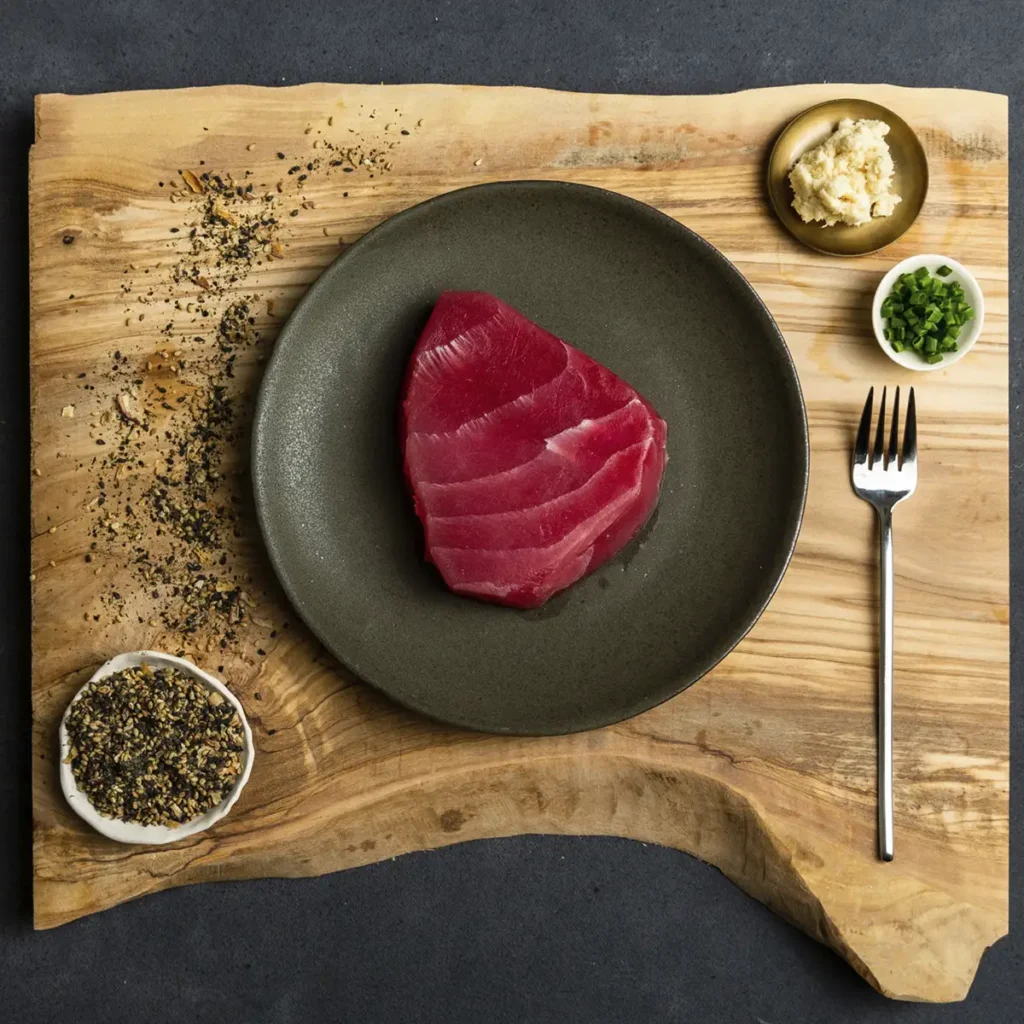
- Tuna
- Swordfish
These fish have stronger muscle structure or higher fat content, which helps protect against moisture loss and protein breakdown. Fatty fish like salmon and char are especially forgiving because their oils help maintain texture even when exposed to salt or mild acid.
This is why many chefs use these species for marinades, skewers, and grilling applications.
Fish that require more caution
More delicate fish can still be marinated, but only for short periods and with less aggressive ingredients.
These include:
- Haddock
- Sole
- Flounder
- Tilapia
These fish have softer muscle structure and less fat, so they are more sensitive to both salt and acid. Even a short marinade can start to change their texture.
If you use a marinade, keep it brief and avoid high-acid ingredients.
Fish to avoid marinating
Very delicate fish are often better without a marinade at all. Their structure breaks down too easily, and the risk outweighs the benefit.
Avoid marinating:
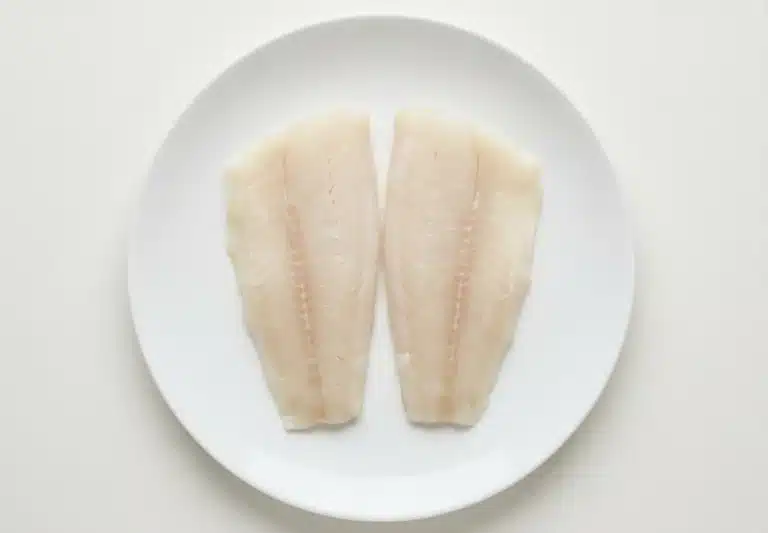
- Thin white fish fillets
- Pre-cut or previously handled delicate fish
- Fish that already feels soft or fragile
In these cases, simple seasoning is almost always the better approach.
What this means in practice
Choosing the right fish is just as important as choosing the right marinade. A well-structured fish gives you more room to work with. A delicate one requires restraint.
This also connects back to handling. If a fish has already been weakened during freezing or storage, it will behave more like a delicate fish, even if it normally would not.
Marinating does not just depend on species. It depends on condition.
When marinating fish does more harm than good
The most common mistake is marinating fish for too long. Because fish is delicate, extended exposure to salt or acid can break down its structure.
Acid-heavy marinades are particularly aggressive. They begin to denature proteins quickly, which changes texture before cooking even starts.
This often leads to:
- Mushy or overly soft flesh
- Chalky or dry texture after cooking
- Fish that breaks apart easily
If you have ever had fish that seemed to fall apart before it even finished cooking, over-marinating is a likely cause. Protein denaturation from acids is well documented in food science and is the same process used in dishes like ceviche.
How long should you marinate fish
Timing matters more than ingredients.
Most fish benefits from short marinating times. In many cases, less is more.
- Thin or delicate fish: 10 to 20 minutes
- Standard fillets: 15 to 30 minutes
- Firm, thick fish: up to 45 minutes with caution
Acid-based marinades should always be on the shorter end of this range.
Longer times do not mean more flavour. They usually mean more structural damage.
Marinating vs seasoning: what matters more
Marinating often gets more attention than it deserves. In many cases, proper seasoning is more effective and gives you better control over the final result.
Salt applied at the right time enhances flavour without breaking down the structure of the fish. It allows the natural taste to come through instead of masking it with heavy ingredients. Fresh, well-handled fish does not need to be overworked to taste good.
If you want to get this right, understanding the basics matters more than adding complexity. Our guide on how to season fish breaks down simple techniques that improve flavour without compromising texture.
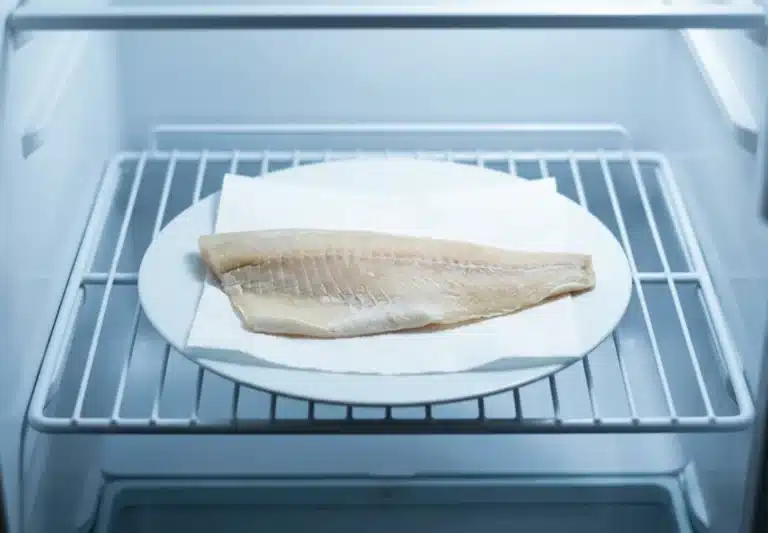
If you are working with frozen fish, handling becomes even more important. The way fish is frozen and thawed has a direct impact on how it reacts to marinades.
Should you marinate fish before cooking
The short answer is yes, but only when it makes sense.
Marinating is useful when you want to introduce specific flavours or improve surface characteristics. It is not always necessary, and it is often overused.
In many cases, simple seasoning and proper cooking will give better results than a heavy marinade.
Practical tips for marinating fish
Keep the process simple and controlled.
- Use short marinating times
- Limit acid exposure
- Pat fish dry before cooking
- Avoid reusing marinade unless it is cooked
- Match marinade strength to fish type
These small adjustments make a noticeable difference in texture and flavour.
Bringing it back to quality
Marinating fish is not a guarantee of better flavour. It is a tool. Used correctly, it enhances. Used incorrectly, it damages.
The biggest factor is still the fish itself. Quality, handling, and freshness determine how much benefit a marinade can actually provide.
If you want to take this further, the next step is understanding how to build marinades that work with fish instead of against it. Explore our fish market to start with fish that delivers clean flavour before you even add a marinade.