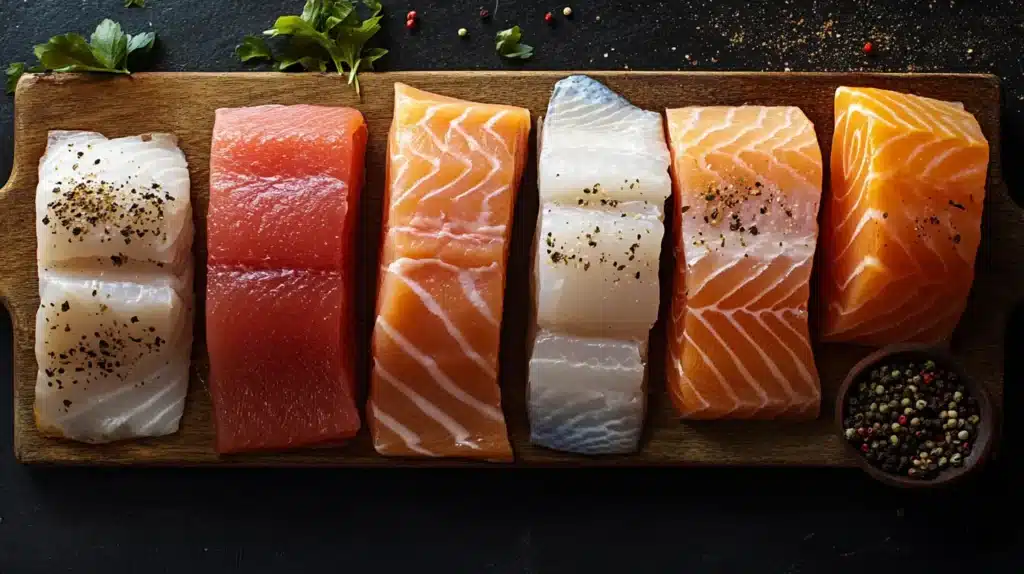
Have you ever wondered why some fish are rich, dark, and oily while others are light, mild, and flaky? The answer lies in the difference between oily fish vs lean fish. This distinction comes from the amount of fat and myoglobin in their flesh. Those two factors influence flavour, texture, nutrition, and even the best ways to cook each type.
What Are oily fish?
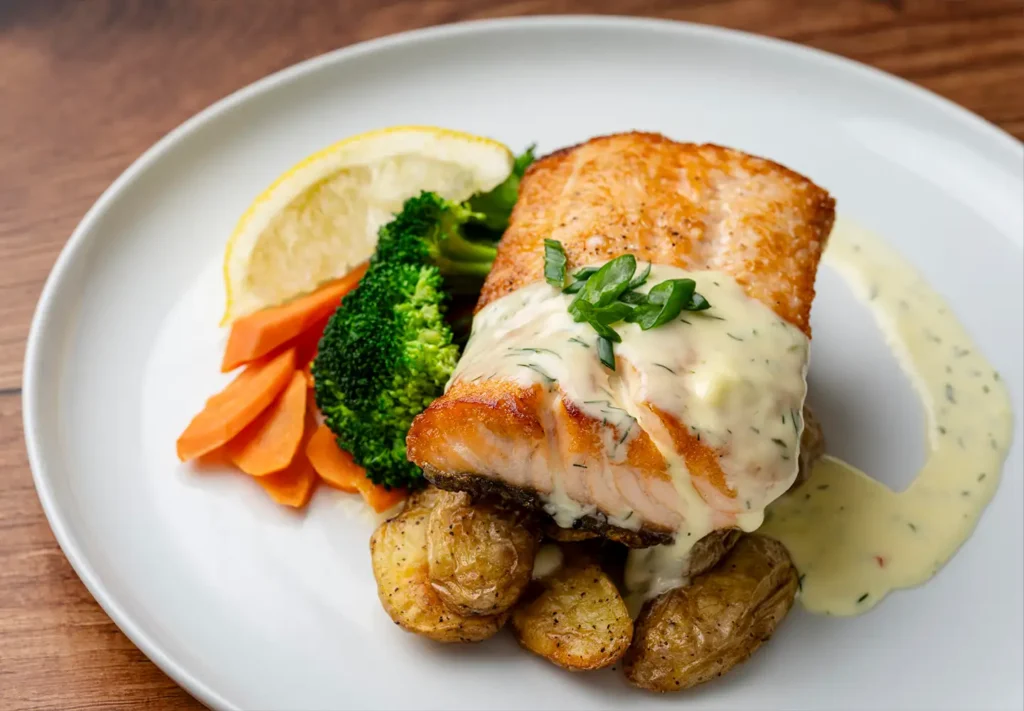
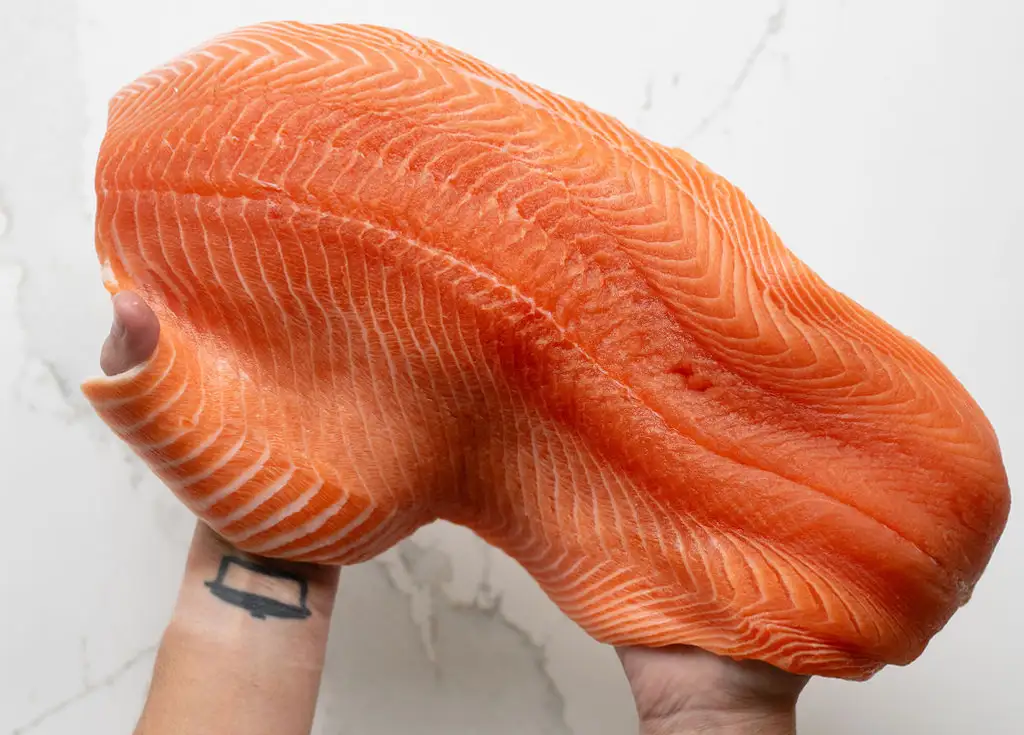
Oily fish are species with higher natural fat content. They are usually active swimmers, which explains their darker flesh. Their richness is not only about taste but also about nutrition. Oily fish contain high levels of omega-3 fatty acids that support heart health and reduce inflammation.
Examples of Oily Fish
Here are some of the most common oily fish you will find in Canadian markets and on global menus:
- Salmon – Found in the North Atlantic and Pacific. A staple of Canadian seafood.
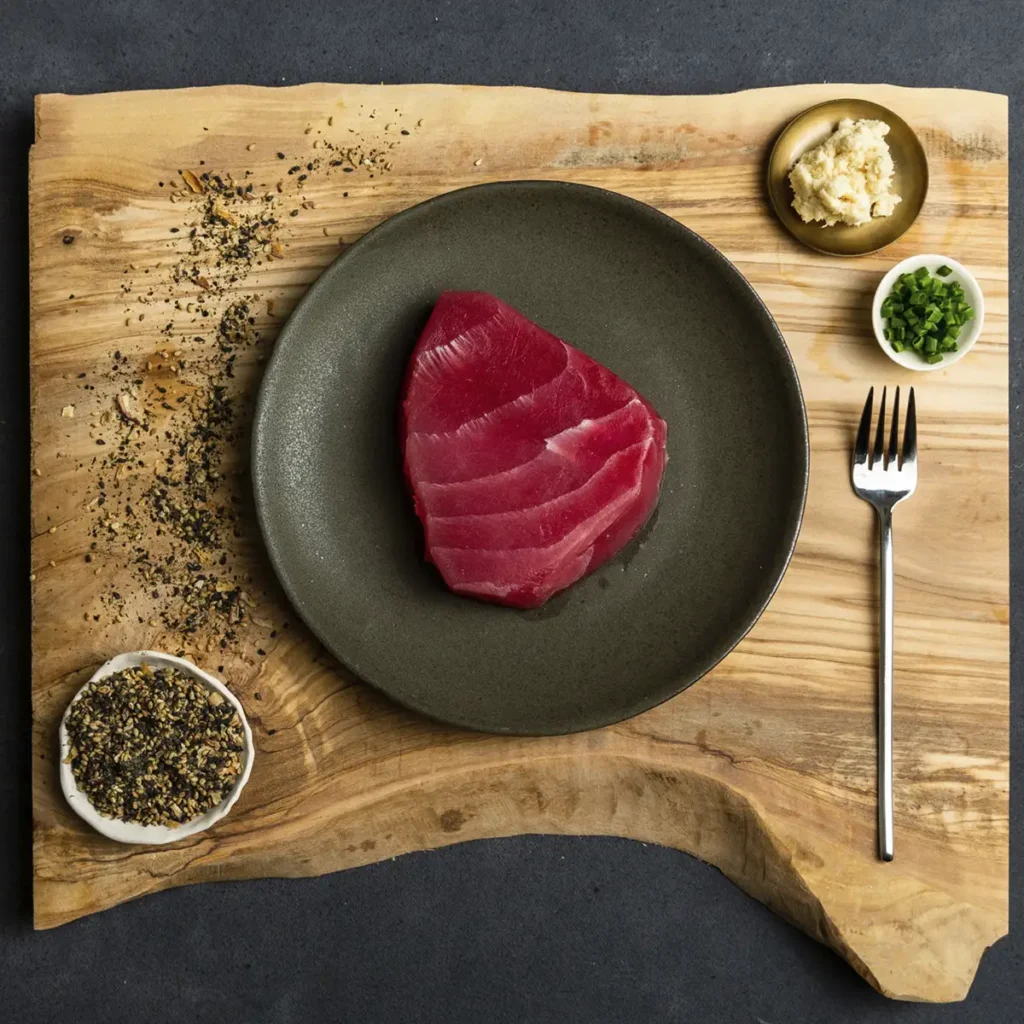
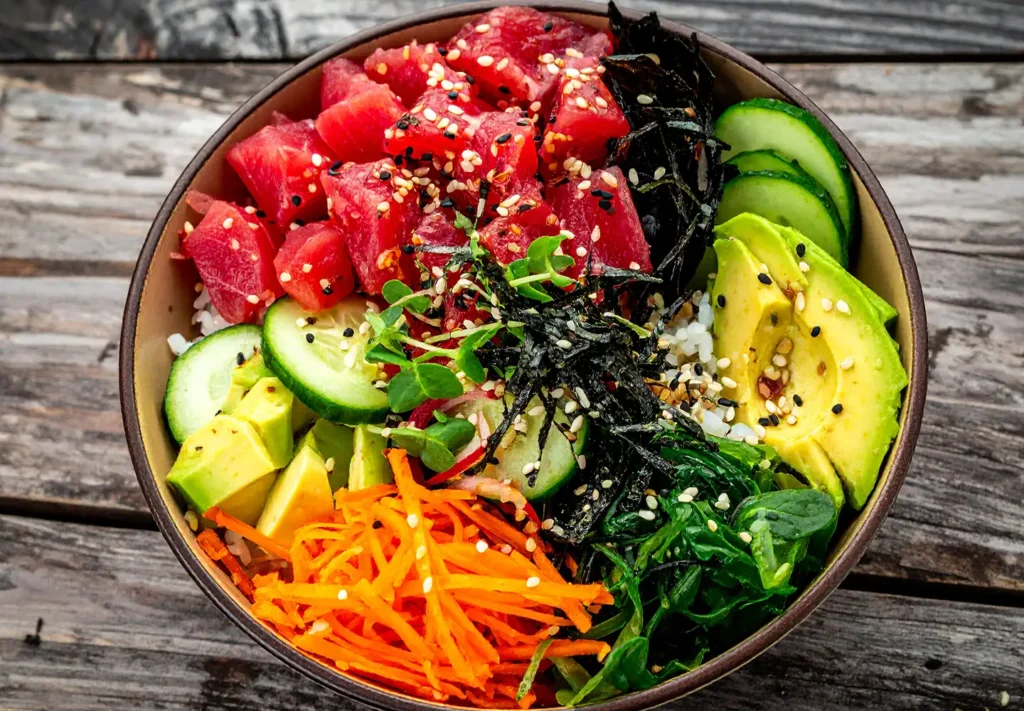
- Tuna – Includes bluefin, yellowfin, and albacore. Highly valued worldwide and especially in sushi.
- Mackerel – Bold tasting, smaller fish that are often grilled or smoked.
- Trout – A freshwater favourite known for its mild yet rich flavour.
Best cooking methods for oily fish
Because oily fish have a higher fat content, they can handle strong cooking methods and still remain moist. They are also perfect for preparations that highlight their natural oils. Common cooking methods include:
- Grilling over high heat
- Searing in a hot pan
- Smoking for depth of flavour
- Serving raw in sushi or sashimi – Curious about “Sushi-grade” and what that means? Find out here.
Try something new at home with our Air Fryer Salmon Bowls with Sriracha Mayo, a quick and flavourful way to enjoy Atlantic salmon.
Love the flavour and health benefits of oily fish like salmon? You can enjoy it at home with our Sustainable Blue salmon boxes, delivered fresh from land-based aquaculture. Or, if you want variety, choose one of Afishionado’s curated seafood boxes that also feature premium Sustainable Blue products alongside other Atlantic favourites.
What are lean fish?
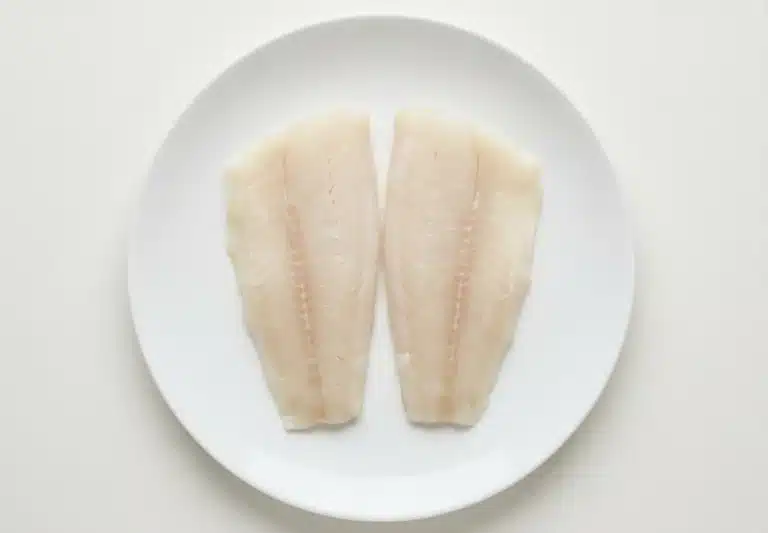
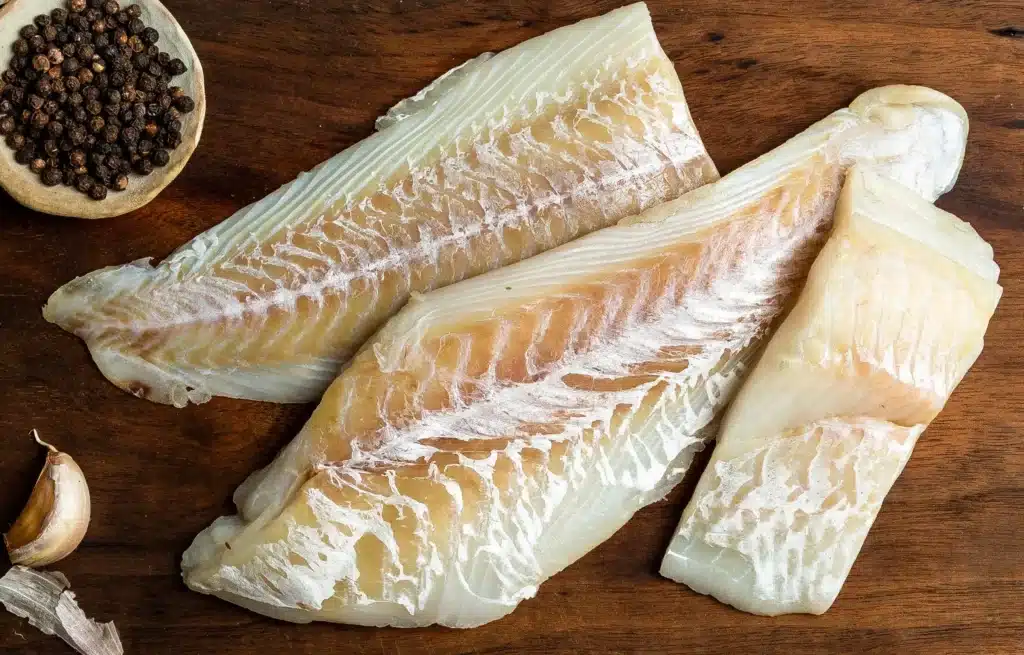
Lean fish are lighter in colour and milder in flavour. With less fat and myoglobin, they have a delicate texture that makes them popular in a wide range of dishes. Because they are less oily, lean fish absorb marinades and seasonings well, acting as a versatile base for many recipes.
Examples of lean fish
These species are some of the most common lean fish enjoyed across Canada:
- Cod – A North Atlantic classic with a clean flavour that works in many recipes.
- Haddock – Slightly sweeter than cod and often chosen for fish and chips.
- Tilapia – Originally from Africa, now farmed worldwide and known for its affordability.
- Halibut – Large, firm, and meaty fish from cold northern waters. Excellent for grilling or roasting.
Best cooking methods for lean fish
Because lean fish are lower in fat, it is important to use methods that keep the flesh moist while adding flavour. Popular cooking approaches include:
- Baking with herbs and citrus
- Frying for a crispy crust, as in traditional fish and chips
- Poaching gently in stock or wine
- Steaming for light, healthy meals
Looking for inspiration? Try our Grilled Halibut Steak recipe, a simple and delicious way to enjoy fresh Atlantic halibut.
Nutrition: Oily fish vs lean fish
Both oily and lean fish are healthy choices, but they provide different nutritional benefits. Understanding these differences helps you choose the right option for your diet.
- Oily fish are rich in omega-3 fatty acids, which promote brain and heart health. They also provide vitamins A and D.
- Lean fish are lower in calories and fat while still delivering protein and nutrients such as B vitamins and selenium.
By including both in your meals, you get balance and variety in your diet.
Which should you choose?
Your choice between oily and lean fish depends on your taste and your health goals.
- Choose oily fish like salmon, trout, or mackerel if you want bold flavour and heart-healthy omega-3s.
- Choose lean fish like cod, haddock, or halibut if you prefer a lighter taste and a lean source of protein.
There is no wrong answer. Both belong in a healthy, sustainable diet.
Final thoughts
Whether you are grilling salmon, frying haddock, or baking halibut, knowing the difference between oily and lean fish helps you make better decisions at the seafood counter.
Next time you are planning a meal, ask yourself:
Do you want rich and bold, or light and mild?