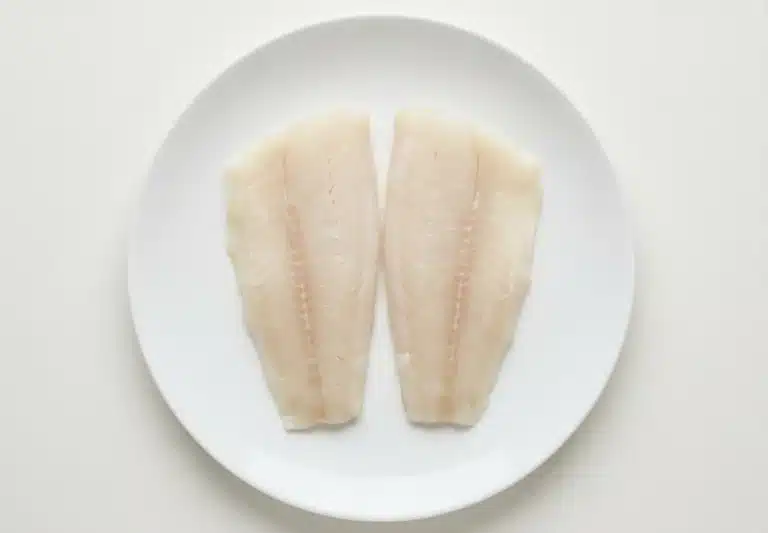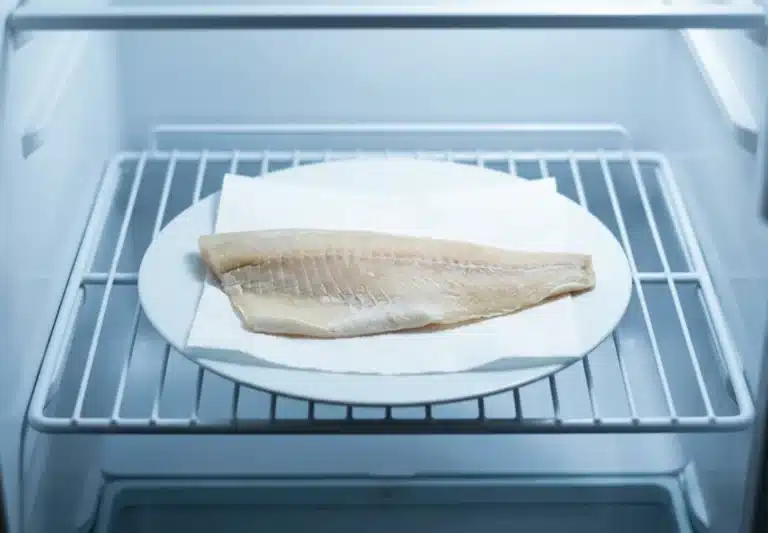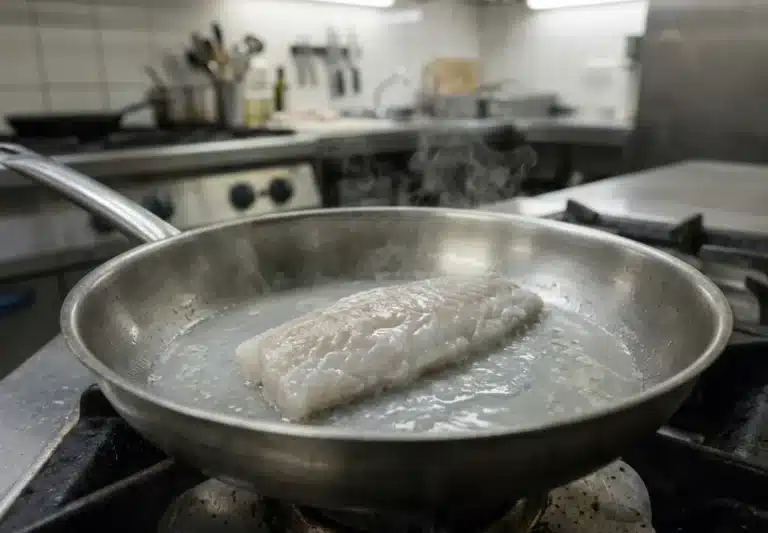
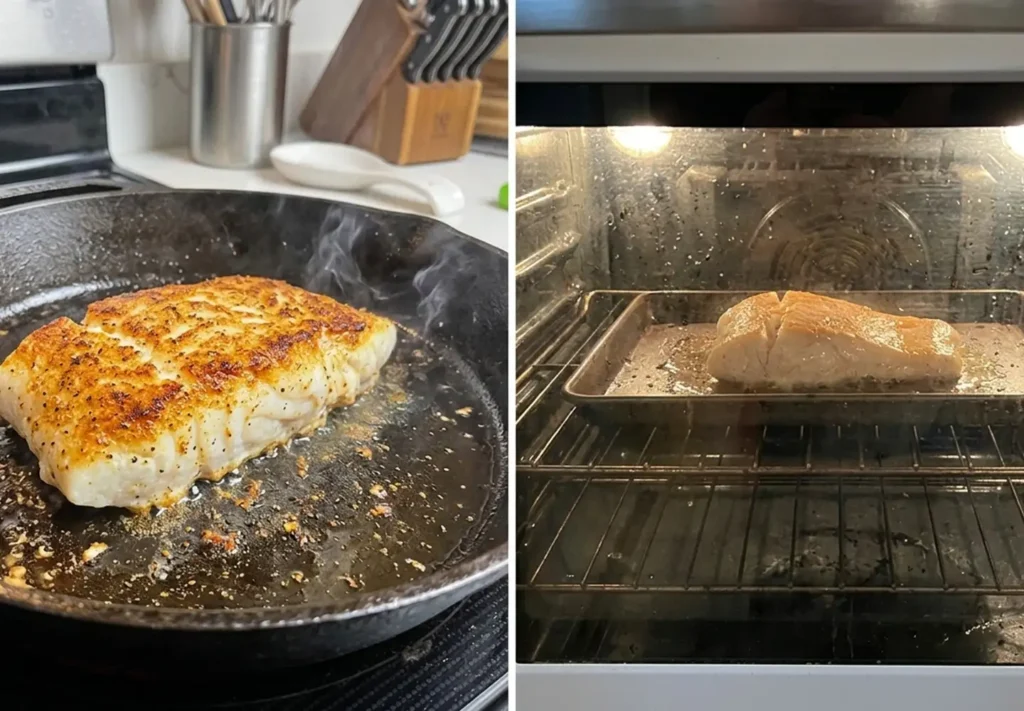
When comparing pan-seared vs oven-baked fish, the best method depends on your goal. Flavour, texture, cooking time, and nutrition all change depending on how heat is applied.
Both methods are widely used across Canadian kitchens. Understanding when to use each one will help you cook seafood more confidently and get consistent results.
What is the difference between pan-seared and oven-baked fish?
Pan-searing uses direct, high heat from a stovetop. Fish is cooked in a hot pan, typically between 190°C to 230°C (375°F to 450°F surface temperature). Oil helps transfer heat and prevent sticking.
Oven-baking uses indirect heat that surrounds the fish. Most fish is baked between 175°C and 220°C (350°F to 425°F) depending on thickness and recipe.
It’s recommended that fish is cooked to an internal temperature of 63°C (145°F).
This difference in heat application is what drives the contrast in flavour and texture.
Flavour differences between cooking methods
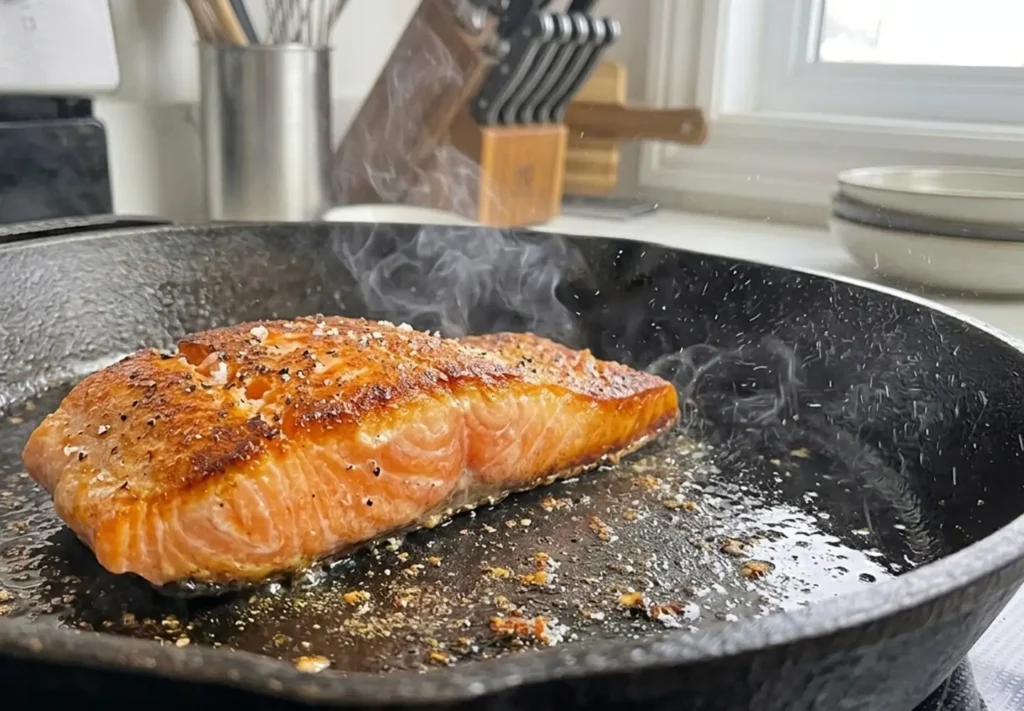
Flavour is one of the most noticeable differences when comparing these two approaches. Pan-searing creates a deeper, savoury taste because of browning. When fish hits a hot pan, the Maillard reaction develops complex flavour compounds that enhance both aroma and taste. The Maillard reaction is a chemical process where heat causes proteins and natural sugars in food to react, creating browned surfaces and complex flavours.
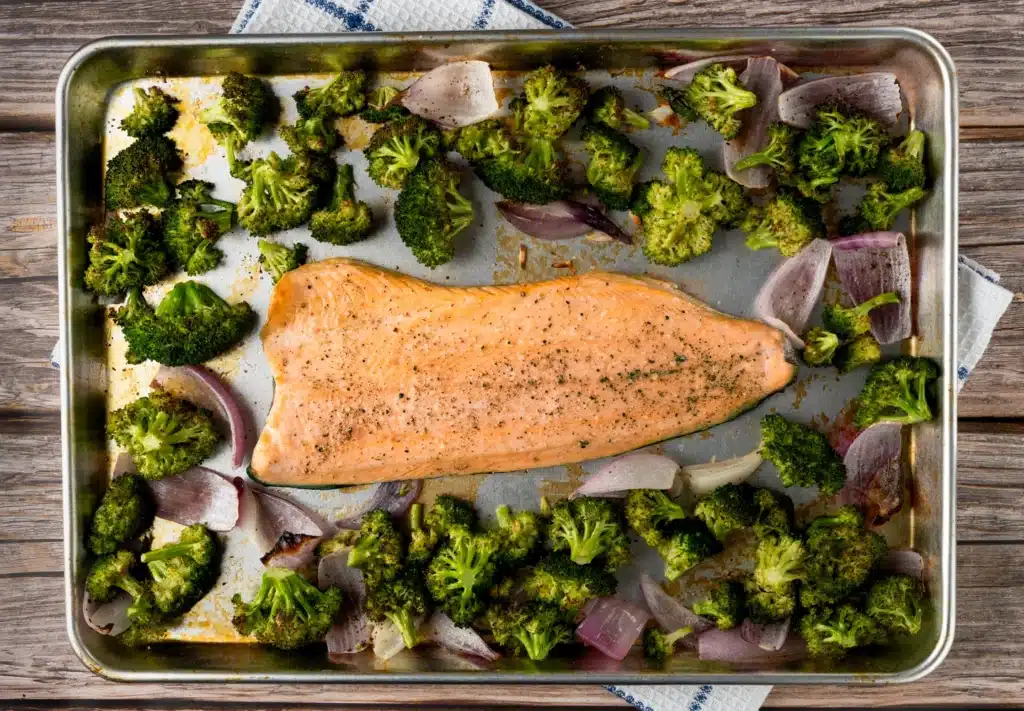
Oven-baking produces a cleaner, more natural flavour. Because the heat is gentler, the fish does not brown in the same way. Instead, it retains its original taste and absorbs surrounding ingredients like herbs, garlic, and citrus.
If your goal is bold flavour, pan-searing is more effective. If you want to highlight the natural taste of the fish, baking is often the better choice.
Texture and cooking results
Texture changes significantly depending on the method you choose.
Pan-searing creates contrast. The exterior becomes crisp due to high heat, while the interior stays tender. This works best when fish is cooked quickly to about 52°C to 60°C (125°F to 140°F) before resting.
Oven-baking produces a more even texture. Fish cooks gradually from edge to centre and flakes easily when it reaches 60°C to 63°C (140°F to 145°F) internally.
In practical terms, pan-searing is ideal when you want crispness and contrast, while baking delivers consistency and moisture retention.
Nutrition and health considerations
Cooking method can influence the nutritional profile of your meal, even when using the same fish.
Pan-searing often includes added oil, which increases total calorie content. However, using oils rich in unsaturated fats can still support a balanced diet. The short cooking time also helps reduce nutrient loss.
Oven-baking typically requires little or no added fat. This makes it easier to control calorie intake while preserving the fish’s natural nutrients. A study from the National Institutes of Health shows that lower-fat cooking methods can help manage overall energy intake without significantly reducing nutrient value.
If your goal is a lighter meal, baking is often the better option. If your goal is flavour, pan-searing still fits within a balanced approach when used carefully.
| Factor | Pan-seared fish | Oven-baked fish |
|---|---|---|
| Heat type | Direct, high heat from pan | Indirect, even heat from oven |
| Typical cooking temp | 190–230°C (375–450°F surface) | 175–220°C (350–425°F oven) |
| Internal temp target | 63°C (145°F) | 63°C (145°F) |
| Flavour | Rich, browned, more intense | Clean, mild, natural |
| Texture | Crisp outside, tender inside | Soft, even, flaky |
| Cooking time | Fast, usually under 10 minutes | Moderate, about 10 to 20 minutes |
| Oil required | Yes, for searing | Minimal or none |
| Best for | Salmon, scallops, halibut | Cod, haddock, whole fish |
| Skill level | Medium, requires attention | Easy, more forgiving |
| Batch cooking | Not ideal for large batches | Great for multiple portions |
| Nutrition impact | Slightly higher fat from oil | Lower added fat |
| Ideal use | Quick meals, strong flavour | Meal prep, lighter dishes |
Best types of seafood for each method
Different species respond differently to heat, so choosing the right method matters.
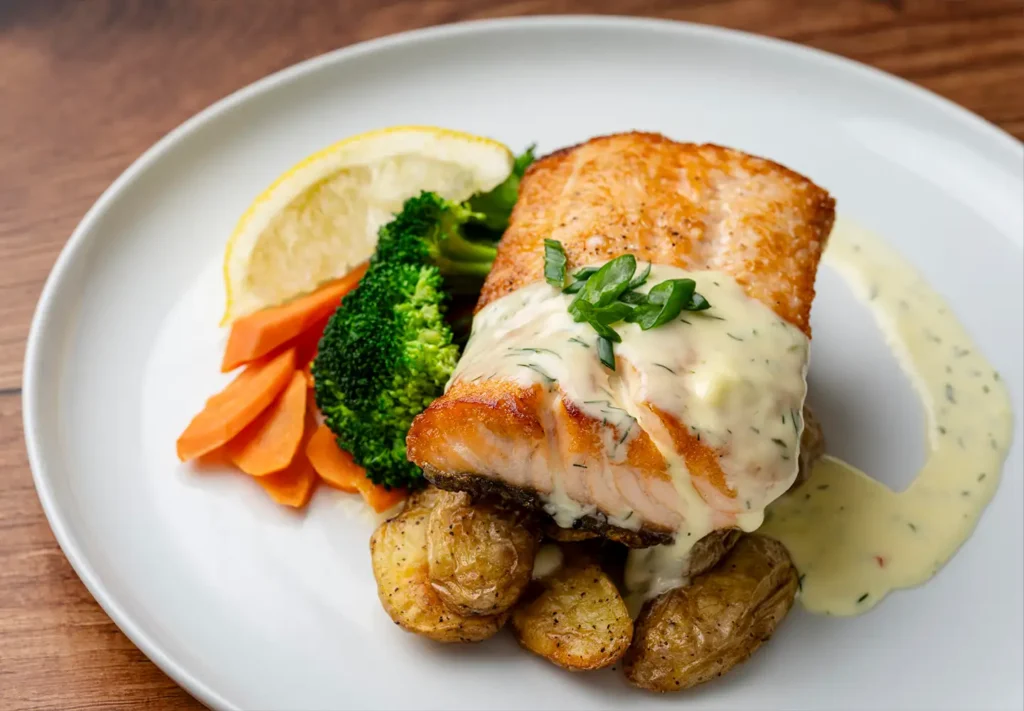
Firm, fatty fish perform best in a pan because they hold together under high heat. Salmon, Arctic char, halibut, and sea bass all develop a good crust while staying moist inside. Scallops are another strong example and are typically seared at 200°C to 230°C (400°F to 450°F surface temperature) for a short time.
Delicate fish benefit from oven-baking. Cod, haddock, and pollock can dry out quickly in a pan but remain moist in the oven. Whole fish like trout also bake well because heat circulates evenly.
Thicker fillets can work with both methods. In many kitchens, they are seared first and then finished in the oven at around 180°C (350°F) to reach a safe internal temperature without overcooking the exterior.
When to use each cooking method
The best method often depends on the situation rather than preference alone.
Pan-searing is ideal for quick meals and smaller portions. It allows for direct control and strong flavour development. Most fillets cook in under 10 minutes using this method.
Oven-baking is more practical when cooking for multiple people. It allows you to prepare several fillets at once with less hands-on time. Baking usually takes 10 to 20 minutes at 200°C (400°F) depending on thickness.
Many chefs combine both techniques. Searing first builds flavour, while finishing in the oven ensures even cooking.
Sustainable cooking considerations
Cooking method also affects how you experience high-quality, responsibly sourced seafood. Fresh, sustainable fish requires less manipulation. Simpler cooking techniques allow the natural flavour and texture to stand out.
The Ocean Wise encourages choosing seafood that supports healthy ocean ecosystems. Baking is often ideal for showcasing the natural qualities of sustainable fish. Pan-searing can enhance premium cuts when used to add texture and depth. Sustainable Blue salmon from Afishionado is raised with responsible practices, making it an excellent choice for both pan-searing and oven-baking while supporting long-term ocean health.
Common mistakes to avoid
Both methods are straightforward, but small errors can affect your results.
Pan-searing often fails when the pan is not hot enough or when the fish is moved too early. This prevents proper browning and can cause sticking.
Oven-baking issues usually come from overcooking. Even at moderate temperatures like 200°C (400°F), fish can dry out if left too long. Monitoring internal temperature is key.
Final thoughts on pan-seared vs oven-baked fish
Understanding pan-seared vs oven-baked fish helps you cook seafood with more precision. Each method offers clear advantages depending on the result you want.
Pan-searing is best for bold flavour and crisp texture. Oven-baking is best for even cooking and lighter meals.
In practice, the most effective approach is to use both methods based on the situation. When you start with high-quality, sustainably sourced seafood, either method can deliver excellent results.