
When people think about sustainability, the first question is often whether local is better. With seafood, the answer is not always that simple. The seafood carbon footprint depends on far more than distance alone.
Where the fish comes from matters, but so does how it was caught or raised, how it was handled, and how it was transported. In many cases, those factors have a bigger impact than whether the seafood is local or imported.
Why seafood carbon footprint is not just about distance
It is easy to assume that local seafood always has a lower carbon footprint. Shorter travel distances can reduce emissions, but transport is only one part of the equation.
Production is often the largest driver of emissions in food systems. This includes fuel used by fishing vessels, feed used in aquaculture, and energy used in processing and storage.
Research shows that for most foods, production accounts for the majority of emissions, while transport plays a smaller but still important role depending on how food is moved. This means a locally caught product from a fuel-intensive fishery can sometimes have a higher footprint than an imported product that was produced efficiently and shipped by sea.
How seafood compares with other proteins
Seafood is often grouped together as a lower-impact protein, but the reality is more nuanced.
On average, seafood tends to have a lower carbon footprint than beef and lamb. Some types of seafood are comparable to chicken and pork. Others can be higher depending on how they are produced.
The variation comes from differences in species, fishing methods, and farming practices.
Seafood Watch notes that seafood generally produces less carbon per unit of protein than beef and pork, but varies widely depending on species and production method.
| Protein | Carbon footprint trend | Key drivers |
|---|---|---|
| Beef | High | Methane, feed, land use |
| Lamb | High | Methane, grazing |
| Pork | Medium | Feed, manure |
| Chicken | Lower | Efficient feed conversion |
| Seafood | Highly variable | Fuel, feed, transport, processing |
The takeaway is clear. Seafood can be a lower-impact choice, but only when you understand what you are buying.
What drives the carbon footprint of seafood
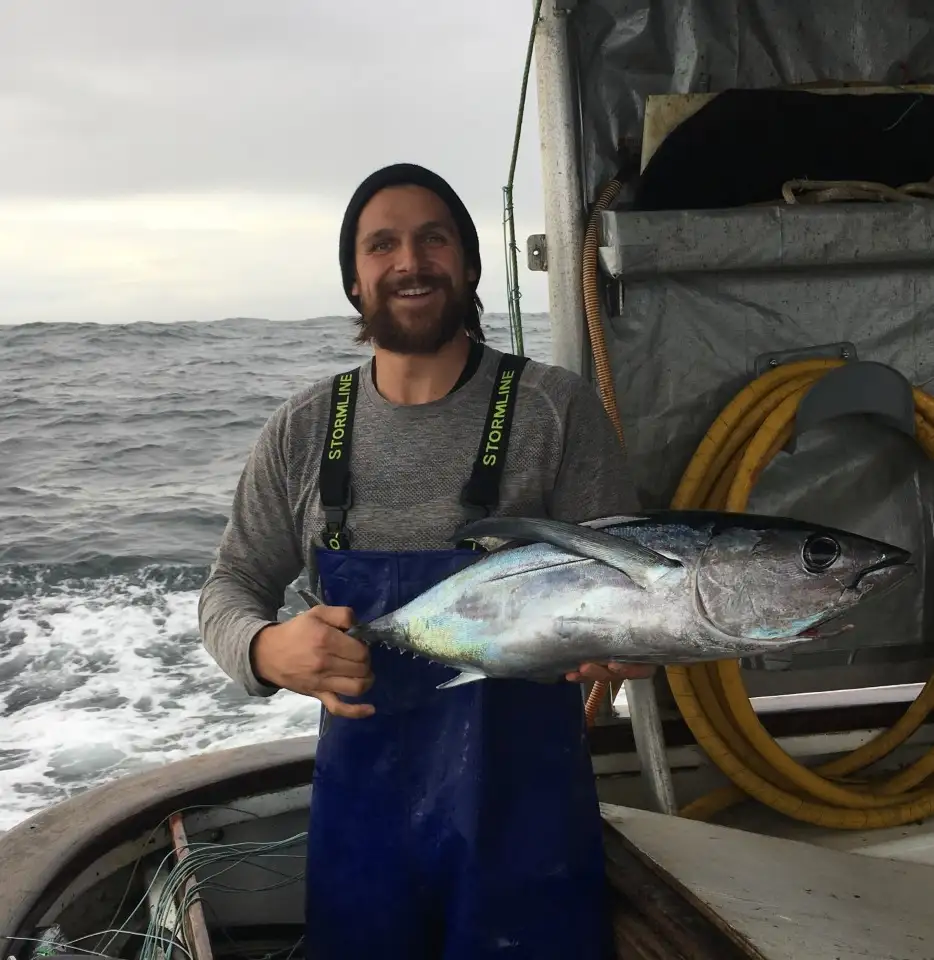
The carbon footprint of seafood is shaped by a combination of biological and operational factors. Wild-caught seafood is influenced by fuel use. Vessels that travel long distances or use energy-intensive gear increase emissions.
Farmed seafood depends more on feed, farm systems, and energy use. Feed production can be a major contributor, especially for species that require higher inputs. Transport and processing also play a role. Freezing, packaging, and distribution all add to the total footprint.
The result is a wide range of outcomes depending on the product.
Local Canadian seafood: when it can lower emissions
Local seafood can offer real advantages, especially when supply chains are shorter and more transparent.
Shorter distances can reduce transport emissions, particularly when seafood is moved by truck instead of air. Local sourcing can also improve freshness and reduce the need for extended storage.
However, local does not automatically mean lower carbon. The fishing method and handling still matter.
Choosing seafood from suppliers who can clearly explain species, origin, and handling helps you make more informed decisions.
Imported seafood: when it is not automatically worse
Imported seafood is often assumed to have a higher footprint, but that is not always accurate.
Shipping seafood by ocean freight is relatively efficient compared to air transport. In some cases, an imported product that was produced efficiently and shipped by sea can have a lower footprint than a local product with higher production emissions.
The method of transport matters as much as distance. Air freight can significantly increase emissions, while ocean shipping spreads emissions across large volumes. The better question is not just where seafood comes from. It is how it was produced and how it was moved.
The role of frozen seafood in carbon footprint
Frozen seafood plays an important role in reducing waste and stabilizing supply chains.
Freezing fish close to harvest preserves quality and allows for more efficient distribution. It reduces spoilage and extends shelf life, which can lower overall waste-related emissions.
Frozen seafood also makes it easier to avoid rushed transport methods like air freight. If you want to understand how freezing affects quality and handling, read our guide on frozen fish quality.
Carbon footprint by seafood type
Different types of seafood have very different carbon profiles. Understanding these patterns helps you make better choices.
| Seafood type | Carbon drivers | General impact | What to look for |
|---|---|---|---|
| Small pelagic fish | Fuel, processing | Often lower | Simple supply chains |
| Whitefish | Fuel, freezing, transport | Low to medium | Efficient fisheries |
| Salmon | Feed, farm energy | Medium | Responsible farming |
| Shellfish | Minimal feed, filtration | Often lower | Local or regional sourcing |
| Shrimp | Feed, farming systems | Variable to high | Traceable sourcing |
| Lobster | Vessel fuel, live storage | Medium to high | Local handling, avoid air transport |
There is no single answer. Each category depends on how it is produced and handled.
How to choose lower-carbon seafood in Canada
Making better choices does not require perfect information, but it does require asking better questions.
- What species is it
- Is it wild or farmed
- How was it caught or raised
- How was it transported
- Was it frozen at source
- Is the supplier transparent
These questions help you move beyond simple labels like local or imported.
If you are storing seafood at home, reducing waste is just as important. Our guide on how long does fish last in the fridge helps you manage freshness more effectively.
Bringing it back to quality
The seafood carbon footprint is not defined by distance alone. It is shaped by production, handling, and transport working together.
Local seafood can be a great choice. Imported seafood can be as well. What matters is understanding the full picture.
At Afishionado, the focus is on transparency and consistency. Whether seafood is local or sourced from further away, the goal is the same. Handle it properly, explain it clearly, and deliver a product you can trust.
<u>Explore our seafood collection to choose traceable seafood with clear sourcing and handling information.</u>