
Shrimp are a staple on Canadian plates, and this ultimate guide to shrimp shows you where they come from, how to choose them quickly, and how to cook them perfectly. If you care about the planet and great taste, you are in the right place. This is the ultimate guide to shrimp that balances sustainability, value and flavour for real-world shopping.
Shrimp 101, types, sizes and species
Here is a quick breakdown to help you understand the shrimp you see in stores.
Cold-water vs warm-water shrimp
- Cold-water shrimp are typically harvested in northern or deep-sea waters, often smaller in size, for example Pandalus borealis in Atlantic Canada.
- Warm-water shrimp are often farmed in tropical or subtropical regions. Common species include whiteleg shrimp (Litopenaeus vannamei) and giant tiger prawn (Penaeus monodon) in FAO species profiles here and here. FAOHome+1
Wild vs farmed
- Wild-caught shrimp are harvested from natural habitats and managed through fishery plans. Canada uses Integrated Fisheries Management Plans.
- Farmed shrimp impacts vary by country and farm. Certification programs such as ASC for farmed and MSC for wild help verify practices.
Common species and sizes
| Species | Region or origin | Typical size label example |
|---|---|---|
| Spot prawns | Pacific Canada | U/10 |
| Northern shrimp (P. borealis) | Atlantic Canada | 16/20 |
| Whiteleg shrimp (L. vannamei) | Warm-water farms | 21/25 |
| Tiger shrimp (P. monodon) | Tropical farms | 13/15 |
What do 16/20 or U/10 mean
These are counts per pound. 16/20 means about 16 to 20 shrimp per pound, and U/10 means under 10 per pound.
Check out all the shrimp Afishionado has available in our online Fish Market.
Wild vs farmed shrimp, what really differs
Environmental and sourcing considerations
Past expansion of tropical shrimp aquaculture has been linked in some regions to mangrove loss and disease risk, with impacts varying widely by country and era. Recent studies and reviews discuss historical mangrove conversion and evolving practices. For disease, AHPND caused by toxigenic Vibrio strains has affected farmed penaeid shrimp.
Canadian context
In Canada, wild shrimp fisheries operate under IFMPs such as the Atlantic northern shrimp plan and the Pacific prawn and shrimp by trap plan.
Why traceability and certification matter
Labels that state origin, method and date, plus credible recommendations or certifications, help you buy better quickly. Ocean Wise publishes public guidance and recommendations. For farmed and wild verification, also look for ASC and MSC.
Where shrimp comes from in Canada
Canadian cold-water shrimp fisheries
The North Atlantic shrimp fishery, for example P. borealis and P. montagui, is managed under DFO IFMPs. The Pacific region manages prawn and shrimp by trap and shrimp trawl through regional plans. Some stocks have faced pressure. Recent measures and TAC changes have affected areas such as SFA 6, with ongoing monitoring in 2024 and 2025.
Why it matters for you
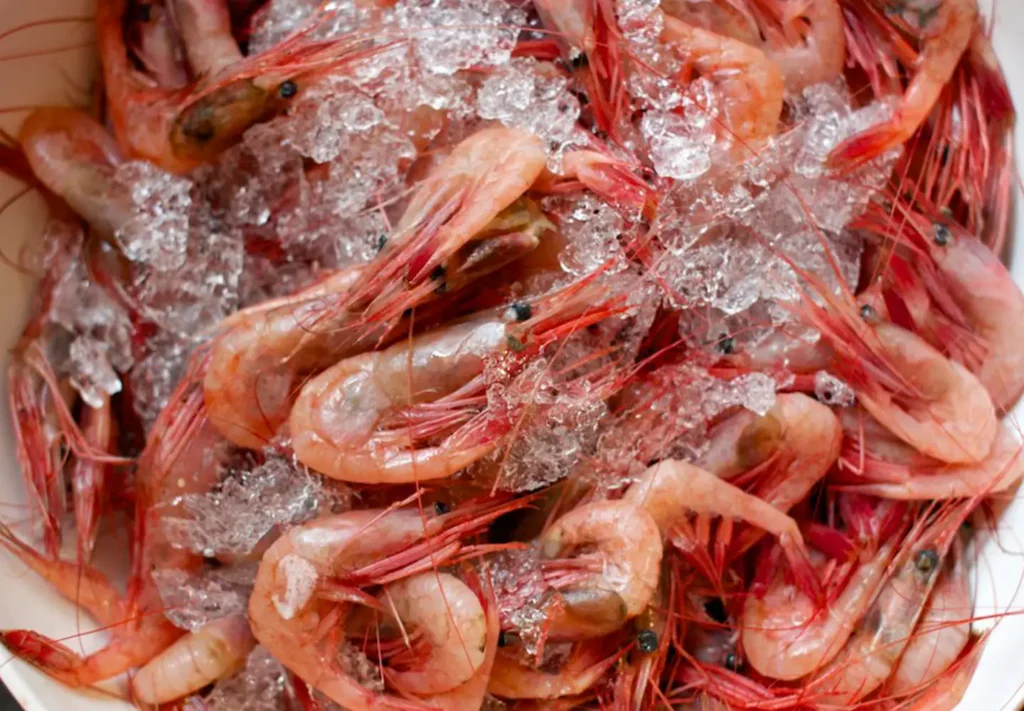
When shrimp are caught in Canadian cold waters with robust management, benefits can include strong traceability, predictable seasons and excellent texture and flavour when handled well. Many offshore northern shrimp vessels cook or freeze at sea, which preserves quality.
Frozen vs fresh shrimp, which is better
Why fresh may not be fresher
Shrimp labelled fresh may have been previously frozen and thawed for display. Freezing or cooking at sea soon after harvest locks in quality. The practice aligns with offshore factory freezer operations in northern shrimp fleets and general industry handling norms.
How to thaw properly
- Thaw in the fridge overnight when possible.
- For a quicker thaw, place sealed shrimp in cold water and change the water every 30 minutes.
- Never thaw at room temperature. Pat dry before cooking.
This thawing guidance is part of the ultimate guide to shrimp because it directly affects taste and texture at home.
How to shop for sustainable shrimp
What to look for on labels
- Origin that clearly states country or region and harvest or raising area.
- Wild vs farmed. For farmed, look for details on feed, habitat and disease control.
- Certifications or recommendations, for example Ocean Wise, ASC for farmed, or MSC for wild.
- Traceability, that is who harvested or raised it, where, how and when.
- Species and size that match your recipe, use the count per pound for accuracy.
Quick-pick, the 10-second shrimp cheat sheet
Just do these two checks at the shelf.
- Pick the size for your cooking
- Hot and fast, stir-fry or pasta, choose 16/20 or 21/25 peeled and deveined.
- Grill or broil, meaty texture, choose U/10 to 13/15 shell-on.
- Cocktail or salads, bite-size, choose small pre-cooked cold-water.
Count equals pieces per pound. U means under that number per pound.
- Find one trustworthy signal
- Clear origin shown and one mark you know, Ocean Wise, ASC for farmed, MSC for wild. If either is missing, pick another bag.
Fast fallbacks
- In season, splurge on Pacific spot prawns, often frozen at sea.
- Year-round reliable, ASC-certified Pacific white shrimp around 21/25.
- Budget all-rounder, 26/30 peeled and deveined with origin plus one certification.
How to cook shrimp perfectly every time
Method 1, boiled
Bring lightly salted water, aromatics optional, to a gentle boil. Add shrimp and cook until opaque and curled to a loose C, typically 2 to 3 minutes for mid-sized cold-water shrimp. Shock in ice water for cocktail.
Method 2, pan-seared
Pat dry and season. Sear over medium-high in a thin film of oil or butter for about 1.5 to 2 minutes per side until pink and opaque. A firm C-shape is usually done, a tight O-shape often means overcooked. Shopping by count and matching size to method helps results.
Method 3, grilled or skewered
Soak wooden skewers. Thread shrimp, brush with oil and seasoning. Grill over medium-high for about 2 minutes per side until just opaque with grill marks.
Safety note for raw shrimp
Raw or undercooked shellfish can carry Vibrio bacteria. Public health sources advise proper cooking, especially during warm months.
FAQs about shrimp
What is the safest shrimp to eat
Choose shrimp with clear origin and traceability and that is handled properly. Canadian wild-caught or credibly certified farmed options help reduce uncertainty. Ocean Wise, ASC and MSC are helpful signals.
What does chemical-free shrimp mean
The term is not standardized. Ask for specifics, for example any use of antibiotics, preservatives or processing agents, and prefer suppliers with transparent practices.
Are shrimp sustainable in Canada
Some are. Managed Canadian wild shrimp fisheries have formal plans and monitoring, and some areas have experienced quota changes in recent seasons. Check current status via DFO.
Can I eat shrimp raw
Eating shrimp raw carries risk from bacteria such as Vibrio. There is no regulated definition of sushi-grade. Freezing is primarily a parasite control step for some finfish and does not eliminate bacterial risks in shrimp. Cooking remains the safer choice at home.
Final thoughts, choose shrimp that align with your values
Not all shrimp are the same. Species, whether it is wild or farmed, where it came from and how it was handled shape both your meal and the environmental footprint. This ultimate guide to shrimp gives you a fast two-step shopping approach and reliable cooking cues. Prefer clear origin, count per pound that fits your recipe, and a recognized recommendation or certification. Ready to make a better choice for your plate and for our oceans, and keep the ultimate guide to shrimp handy the next time you shop.