Updated November 10, 2026. Dates and figures are as of that day, and the opening depends on the weather.
Canada’s biggest lobster season starts with a bill. Lobster Fishing Areas 33 and 34 are scheduled to open on November 30. They are the zones federal fisheries managers use to run the fishery in southwest Nova Scotia. By opening day, harvesters have bought their rope and traps and fuelled up, and they say those costs are far higher this year. At the same time, nobody knows yet what the catch will sell for.
What Dumping Day is
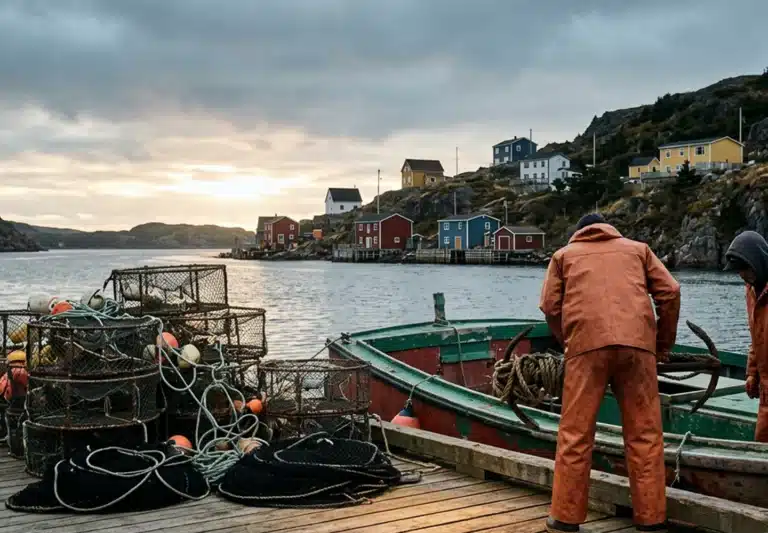
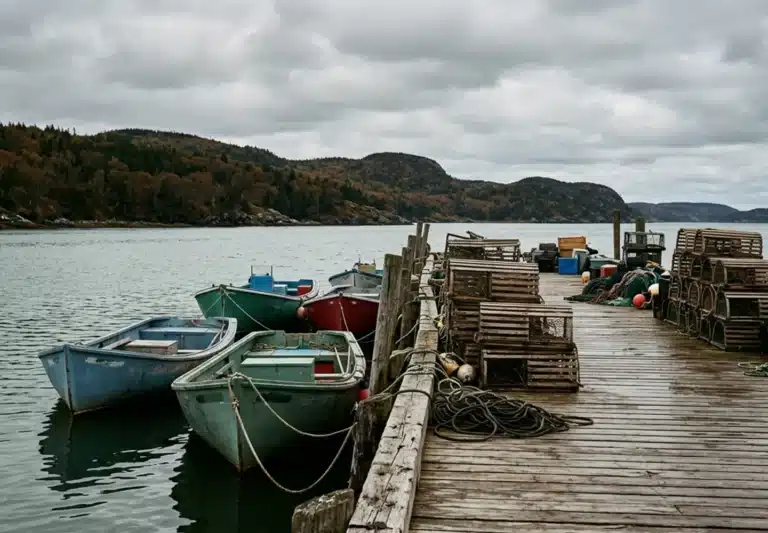
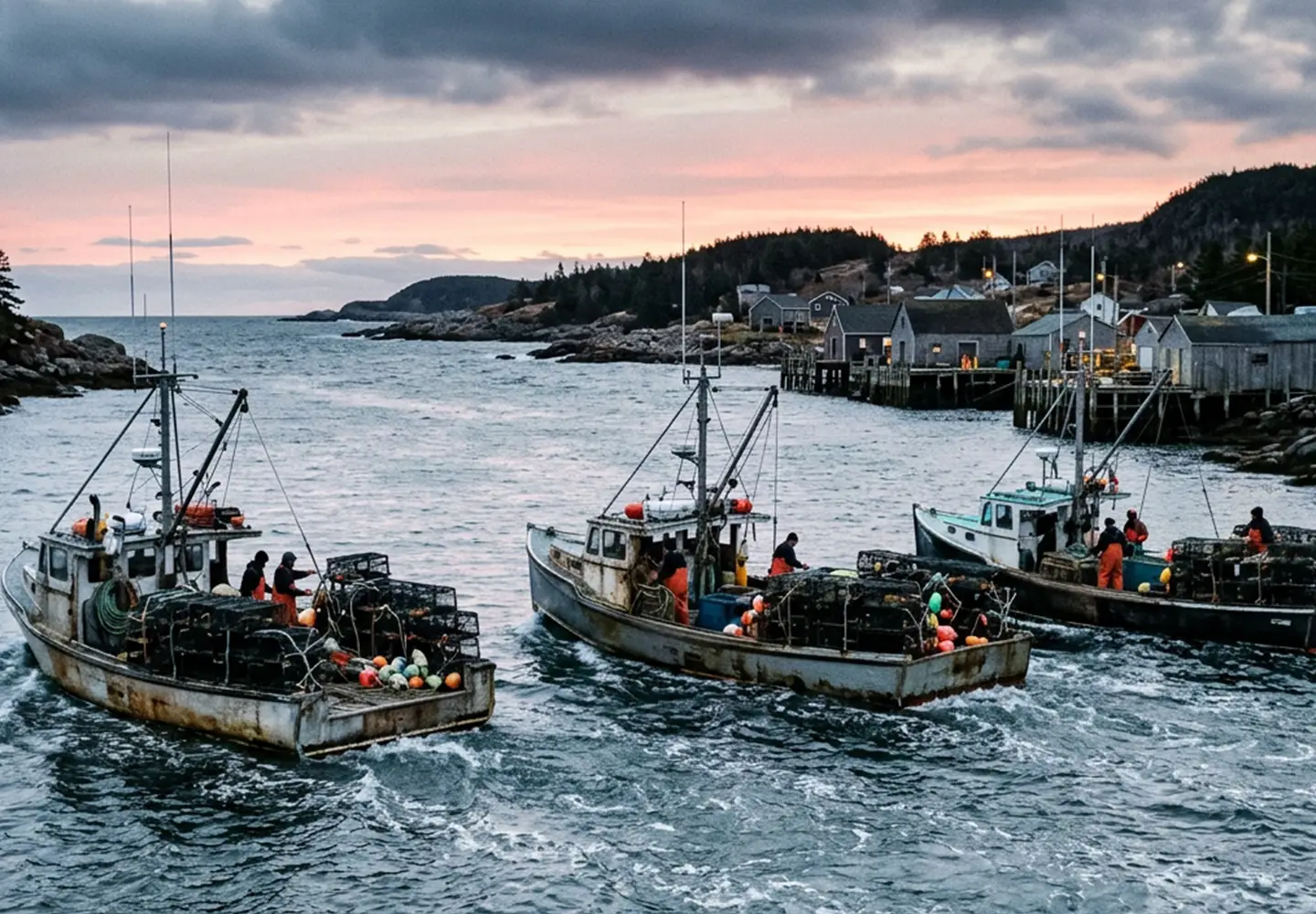
Opening day is known as Dumping Day. On the last Monday of November, boats leave the wharves stacked with traps and set them across both areas. Until the season closes at the end of May, crews haul, empty, rebait and reset them, according to a Fisheries and Oceans Canada (DFO) briefing note. The date can move. DFO decides it after weather calls with harvesters, the Canadian Coast Guard and Environment and Climate Change Canada, and rough forecasts have pushed the opening back before.
These are the country’s largest lobster fisheries. The same DFO note, from 2022, put the two areas at more than 1,600 commercial licences. Harvesters there landed nearly $487 million worth of lobster last year, according to CTV Atlantic.
Why fuel matters so much
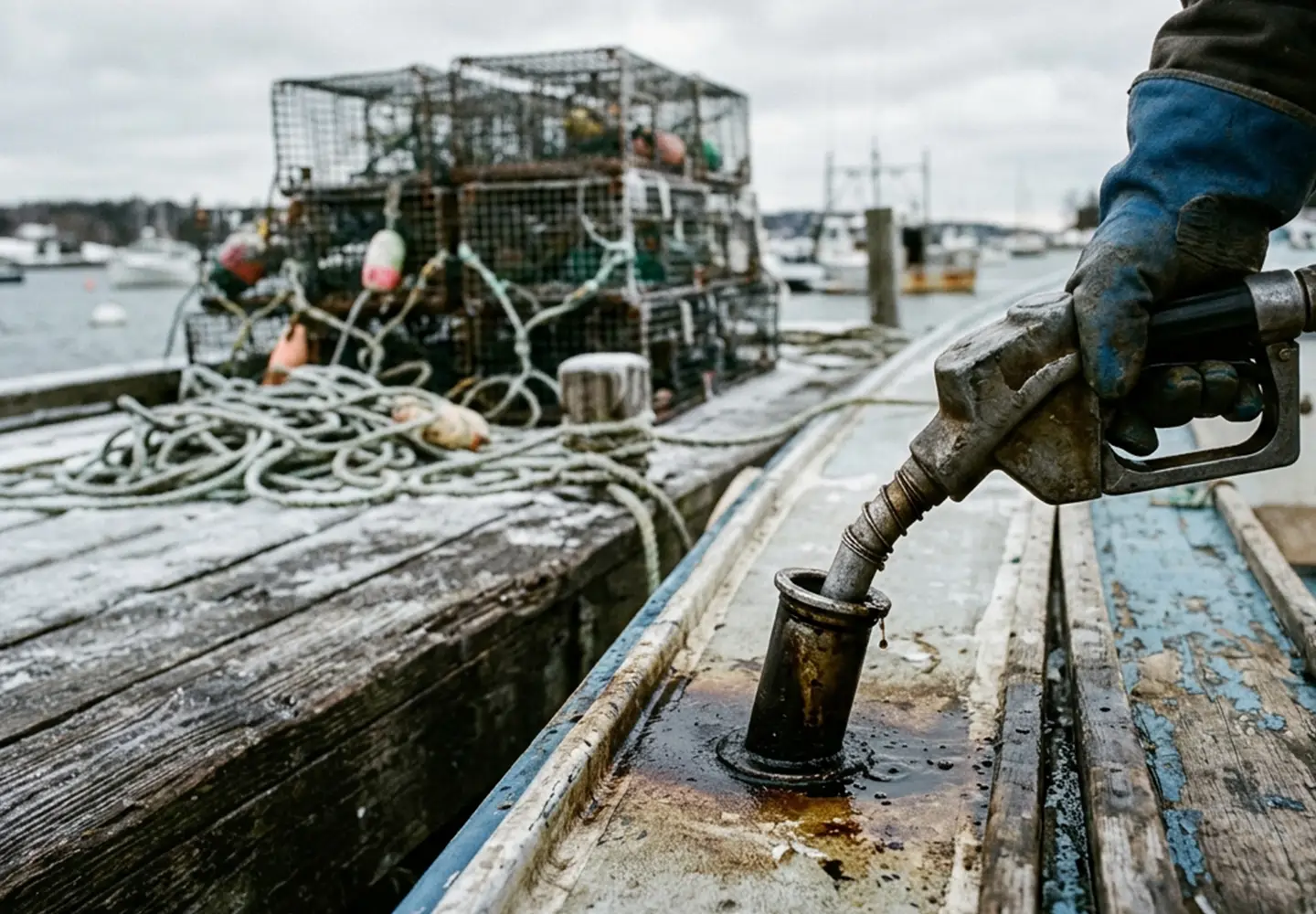
Every trip to haul traps burns diesel, and the season runs six months. That makes fuel a cost that grows with every day a harvester works.
Michael Larkin, a fishing captain and president of the Brazil Rock 33/34 Lobster Association, gave CTV Atlantic his own numbers. His fuel bill for last season was about $30,000, and he expects something closer to $55,000 this time. He estimates marine fuel cost about $1.26 a litre a year ago and about $2.30 now. Those figures are for his boat, not an average across the fleet. He added that rope and traps have gone up too.
On CBC’s Information Morning Nova Scotia, two guests from the area made the wider point. When fuel rises, they said, nearly everything else follows, from fishing gear to the cost of living.
How harvesters say they’ll adapt
The CBC guests said high diesel prices will likely mean fewer trips and fishing closer to shore. One of them said boats that might go out four times a week will go out less. Kenny Jacquard, a fisherman from Wedgeport with more than 30 years on the water, said larger boats that usually work farther offshore would stay nearer land to save fuel. That puts more traps inshore and, he said, more competition between crews. Larkin told CTV that some boats may have to change how often they head out.
Then there is the price nobody controls. Jacquard said lobster would need to reach almost $20 a pound for operations to stay profitable, and that trade tariffs and market conditions make that uncertain. The CBC guests said higher costs eventually get passed along to the market rate. Geoff Irvine, executive director of the Lobster Council of Canada, framed it differently to CTV. Costs are high for harvesters and processing plants alike, he said, but the market does not respond to them.
Why this region feels it more
Dan Fleck, executive director of the association Larkin leads, told CBC that other parts of the Maritimes can lean on tuna, snow crab, shrimp or halibut. In southwest Nova Scotia, he said, lobster is the fishery, and that reliance leaves the region vulnerable. Nova Scotia’s seafood strategy, launched in June, is built around diversifying the sector.
That is why a fuel bill here reaches past the boat. Fewer trips touch the crews who work them and the buyers who take the catch at the wharf. They also touch the towns that depend on both, from Yarmouth to the South Shore.
The Fishmonger’s Take
We don’t sell lobster online, so we have no price to defend here. What this season shows is true of most fisheries: the costs land first and the price lands later. Harvesters in southwest Nova Scotia are paying for diesel, rope and traps in November. The market will decide what the catch is worth in its own time, shaped by global trade as much as by anything on the wharf. If you pay more for holiday lobster this year, the fuel dock is part of the story, even if the market has the final say.