If you are new to cooking seafood, choosing the right starting point makes a huge difference. The best fish for beginners are not just about flavour. They are about consistency, structure, and how forgiving they are in the pan.
Some fish hold together, cook evenly, and stay moist even if you are not perfect. Others are more delicate and can fall apart or dry out quickly. Starting with the right type of fish helps you build confidence and avoid frustration.
What makes a fish beginner-friendly
Not all fish behave the same when cooked. The easiest fish to work with share a few key traits.
They tend to have:
- firmer muscle structure
- moderate to higher fat content
- thicker fillets
- predictable cooking behaviour
These characteristics help the fish stay intact, retain moisture, and respond well to a range of cooking methods.
From a science perspective, fat content and protein structure both play a role. Fat helps buffer moisture loss, while stronger muscle fibres hold the fish together under heat.
Research shows that fat content and muscle structure directly influence moisture retention and cooking tolerance in fish.
Why some fish are harder to cook
Delicate fish can still be excellent, but they are less forgiving.
Lean, thin fish with softer structure tend to:
- cook very quickly
- release moisture more easily
- break apart if overhandled
<u>Cooking resources like America’s Test Kitchen note that lean fish cook faster and are more prone to drying out due to lower fat content.
This does not make them worse. It just means they require more control and experience.
If you are just starting out, it is easier to learn technique on fish that gives you a wider margin for error.
Best fish for beginners
These fish are widely recommended by chefs and cooking resources because they are consistent and forgiving.
Salmon
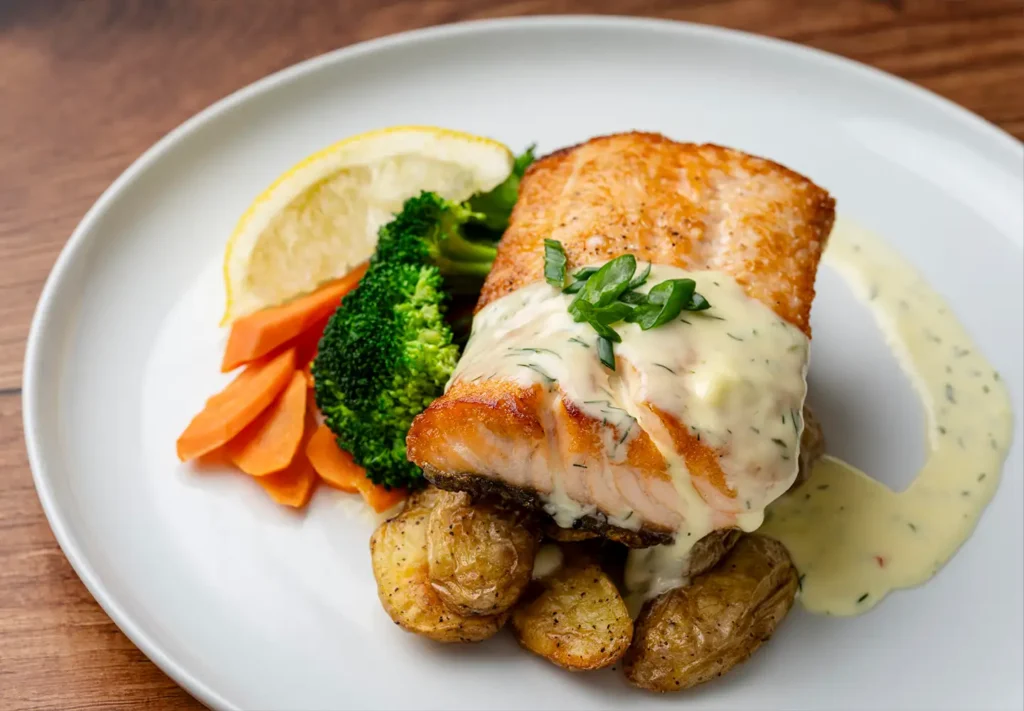
Salmon is one of the best starting points. It has a higher fat content, which helps keep it moist and reduces the risk of overcooking.
It also has a firm structure, making it easier to handle in the pan or oven.
Salmon works well with:
- high heat searing
- roasting
- grilling
It is also one of the most versatile fish in terms of flavour.
From a sourcing perspective, responsibly farmed salmon can offer consistency and year-round availability. This is one area where well-managed aquaculture can actually make cooking easier for beginners by providing a more uniform product.
Choosing well-handled salmon makes a noticeable difference in how it cooks and holds its texture.
Cod
Cod is a lean white fish with a mild flavour. It flakes easily when cooked but still holds together well if handled properly.
It is a great option for learning:
- baking
- pan cooking
- simple seasoning
Because it is lean, it benefits from careful cooking and proper moisture control.
Arctic char
Arctic char is often compared to salmon but has a slightly milder flavour. It shares similar benefits, including good fat content and forgiving texture.
It is an excellent alternative for beginners who want something similar to salmon but less rich.
Halibut
Halibut is a firm white fish that holds its shape well. It is thicker than many other white fish, which makes it easier to cook evenly.
It works well for:
- pan searing
- grilling
- roasting
Because it is leaner than salmon, it requires slightly more attention to avoid overcooking.
Tilapia
Tilapia is widely available and easy to cook. It has a mild flavour and cooks quickly.
It is often recommended for beginners because it is affordable and accessible, but it requires careful cooking due to its lower fat content.
How to choose fish at the store
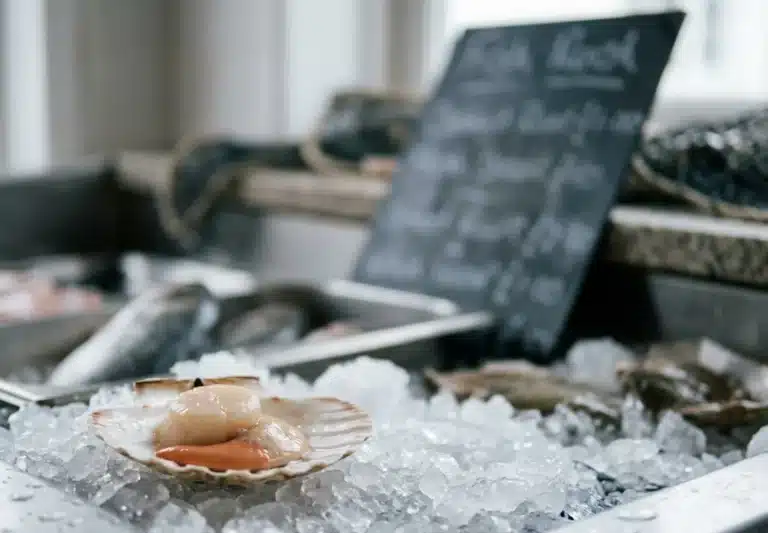
Choosing the right fish matters just as much as the species.
Look for fish that:
- smells clean, not overly fishy
- feels firm to the touch
- has minimal excess liquid
- is clearly labelled with species and origin
If you are buying frozen fish, proper handling is critical. Fish that has been frozen and thawed correctly will perform much better in the kitchen.
If you want to understand how freezing affects quality, read our guide on frozen fish quality.
Why handling matters more than species
Even the best fish for beginners can become difficult to cook if it has been handled poorly.
Temperature fluctuations, improper thawing, and excess moisture can weaken structure and affect how fish cooks.
That is why learning how to thaw and prepare fish properly is just as important as choosing the right type.
Our guide on how to thaw frozen fish explains how to protect texture and moisture before cooking.
Simple cooking methods for beginners
Starting with simple techniques helps you focus on fundamentals.
- pan searing for crisp texture
- oven roasting for even cooking
- baking with light seasoning
These methods give you control without adding unnecessary complexity.
If you want to build flavour without overcomplicating things, our guide on how to season fish covers the basics.
Best fish for beginners: Bringing it back to confidence
The best fish for beginners are the ones that give you consistent results. They help you learn how fish behaves without punishing small mistakes.
Once you understand how structure, moisture, and heat work together, you can expand to more delicate species with confidence.
Browse our selection to find fish that is consistent, well-handled, and easy to cook at home.