As of October 5, 2026.
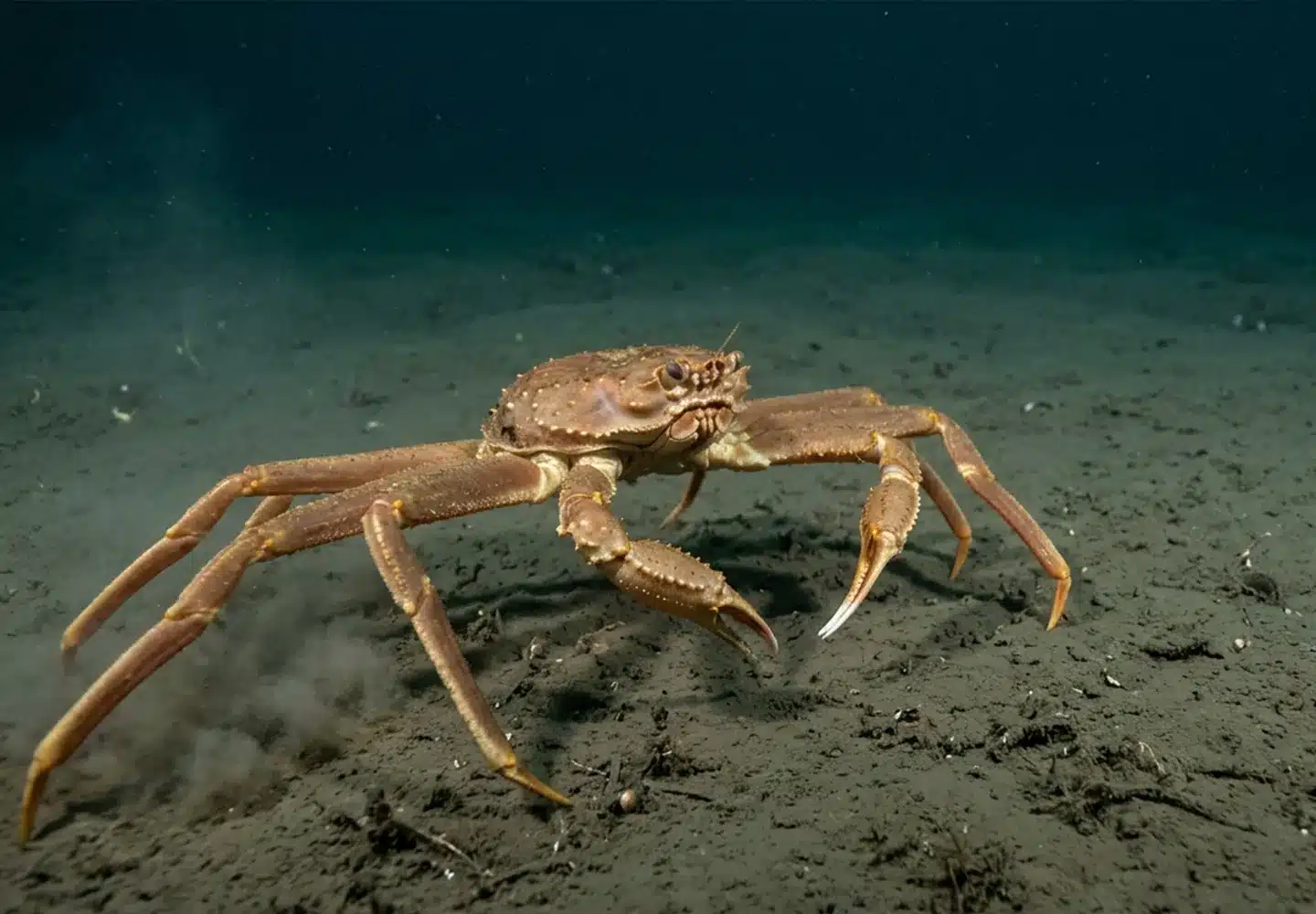
Picture a snow crab crawling across the tail of the Grand Banks, more than 200 nautical miles off Newfoundland. The water above it belongs to no country. The seabed under its legs is another story. That difference is why France and Canada disagree over who can catch it.
On September 21, in Saint-Pierre-et-Miquelon, the French archipelago off Newfoundland’s south coast, French President Emmanuel Macron promised a local company, ASPM Océan, an exploratory snow crab licence. Saint-Pierre et Miquelon La 1ère, the islands’ public broadcaster, reported the terms: 1,500 tonnes a year for five years, beyond 200 nautical miles, on the continental shelf. A week later, Fisheries and Oceans Canada told CBC News that France has no authority to fish there.
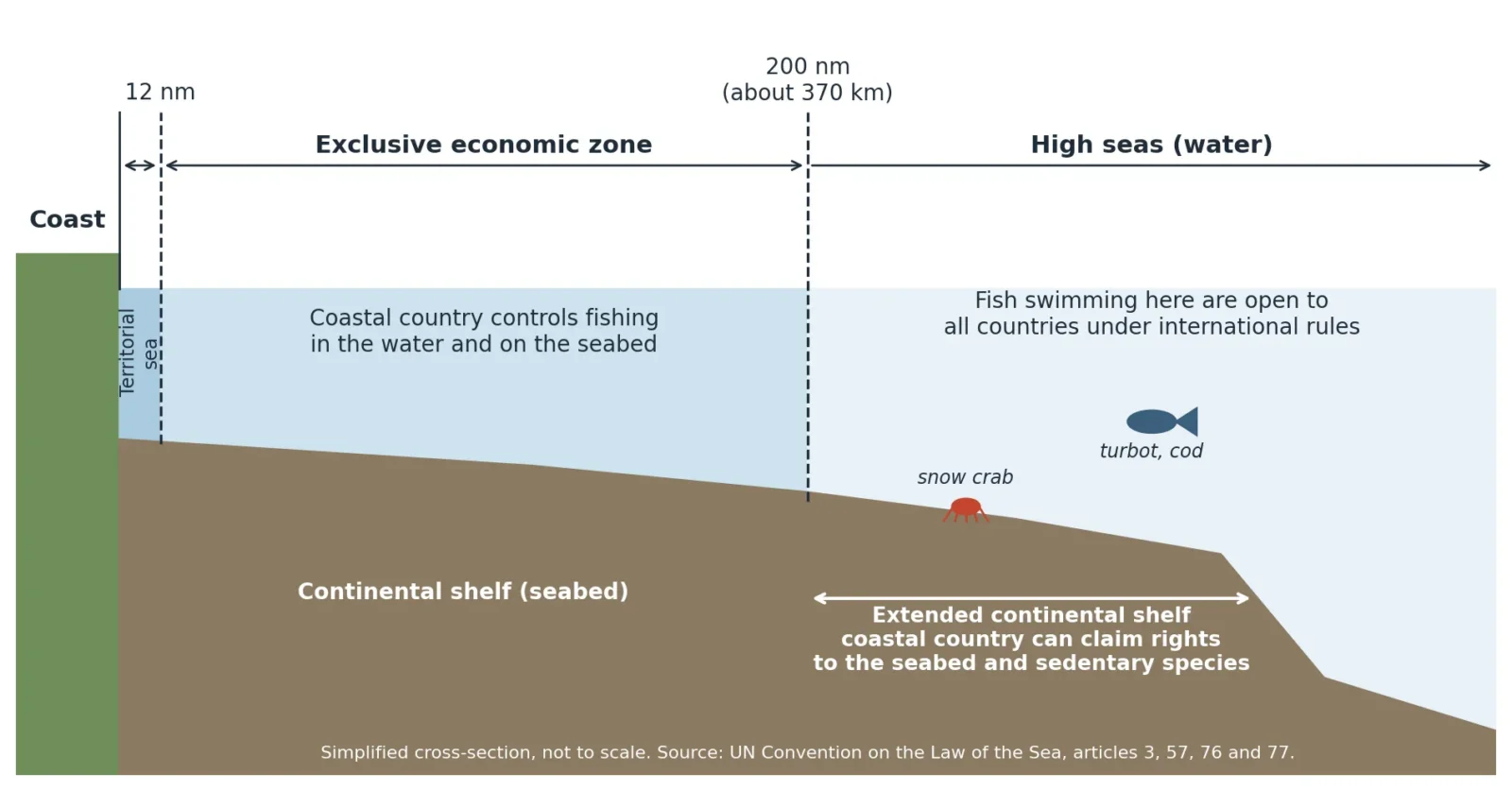
Three zones on the water, one on the floor
The rulebook is the United Nations Convention on the Law of the Sea, a 1982 treaty both countries have ratified. It counts in nautical miles of about 1.85 km each, so 200 is roughly 370 km.
The first 12 nautical miles are the territorial sea, treated much like land, though foreign ships may pass through peacefully.
Out to 200 is the exclusive economic zone. The country doesn’t own that water, but controls the fishing and other resources in it and on the seabed.
Past 200, the water is high seas, open to every country under international rules. If a country’s continental shelf, the submerged edge of its landmass, keeps going, its seabed rights go with it. To fix where it ends, a country sends survey data to a UN expert panel, the Commission on the Limits of the Continental Shelf.
Why a crab is not a cod
The treaty’s Article 77 says which living things come with the seabed: sedentary species, which at harvestable stage stay put on or under the seabed or are “unable to move except in constant physical contact with the seabed or the subsoil.”
An adult snow crab can’t swim. It walks, so on a country’s shelf, even past 200 miles, it goes with the seabed. A cod or turbot swimming over the same spot is a high-seas fish that no country has exclusive rights to.
What France promised, and what Canada says
ASPM Océan owner Éric Cormier told CBC News and La 1ère the area is international water, open to France as much as to Canada. Macron told fishers he hoped for calm but constructive talks with Canada on the shelf, The Canadian Press reported. In a 2014 shelf claim of its own, France argued a 1992 arbitration, which gave the islands far less sea than France sought, never settled the seabed beyond 200 miles. Canada rejects any French claim beyond that 1992 boundary.
On October 2, Fisheries Minister Joanne Thompson said France had confirmed no licence was issued. Canada’s shelf claim “includes all snow crab in this area,” she said, and no formal licensing talks had taken place. On October 1, La 1ère reported France’s representative in the islands saying officials were working with Canada toward a licence.
Kevin Anderson of Memorial University’s Marine Institute told The Canadian Press past court cases have established Canada’s jurisdiction over the crab. Dwan Street, president of the Fish, Food and Allied Workers union, told VOCM the plan was “baffling” and she doesn’t expect it to go ahead. Saint-Pierre-et-Miquelon fishers have largely been valuable partners who often sell to Canadian processors, she told The Canadian Press.
Two earlier cases, one fish and one crab
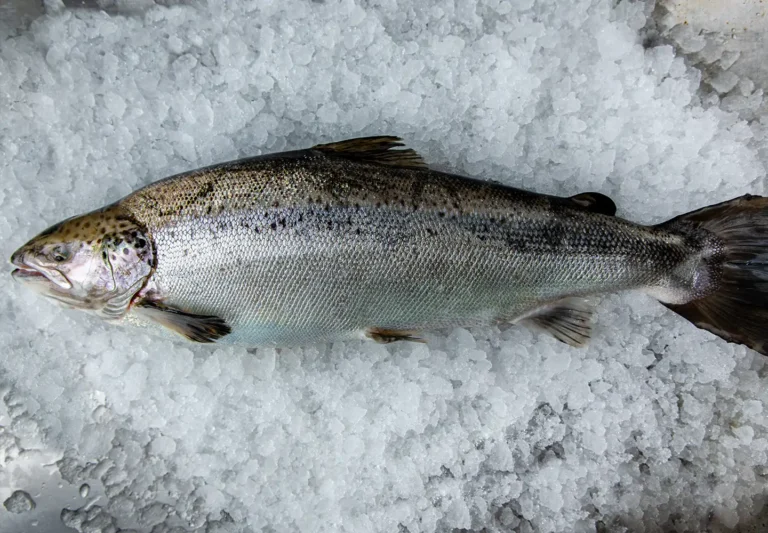
On March 9, 1995, Canadian government vessels fired warning shots across the bow of the Spanish trawler Estai and boarded it some 245 nautical miles offshore. It was fishing Greenland halibut, known in Canada as turbot, which swims across the 200-mile line, so no seabed rule applied. That August, countries adopted the UN Fish Stocks Agreement for fish like it. Spain took Canada to the International Court of Justice, which ruled in 1998 that it lacked jurisdiction, so it never decided whether the seizure was lawful. Our salt cod history goes back further.
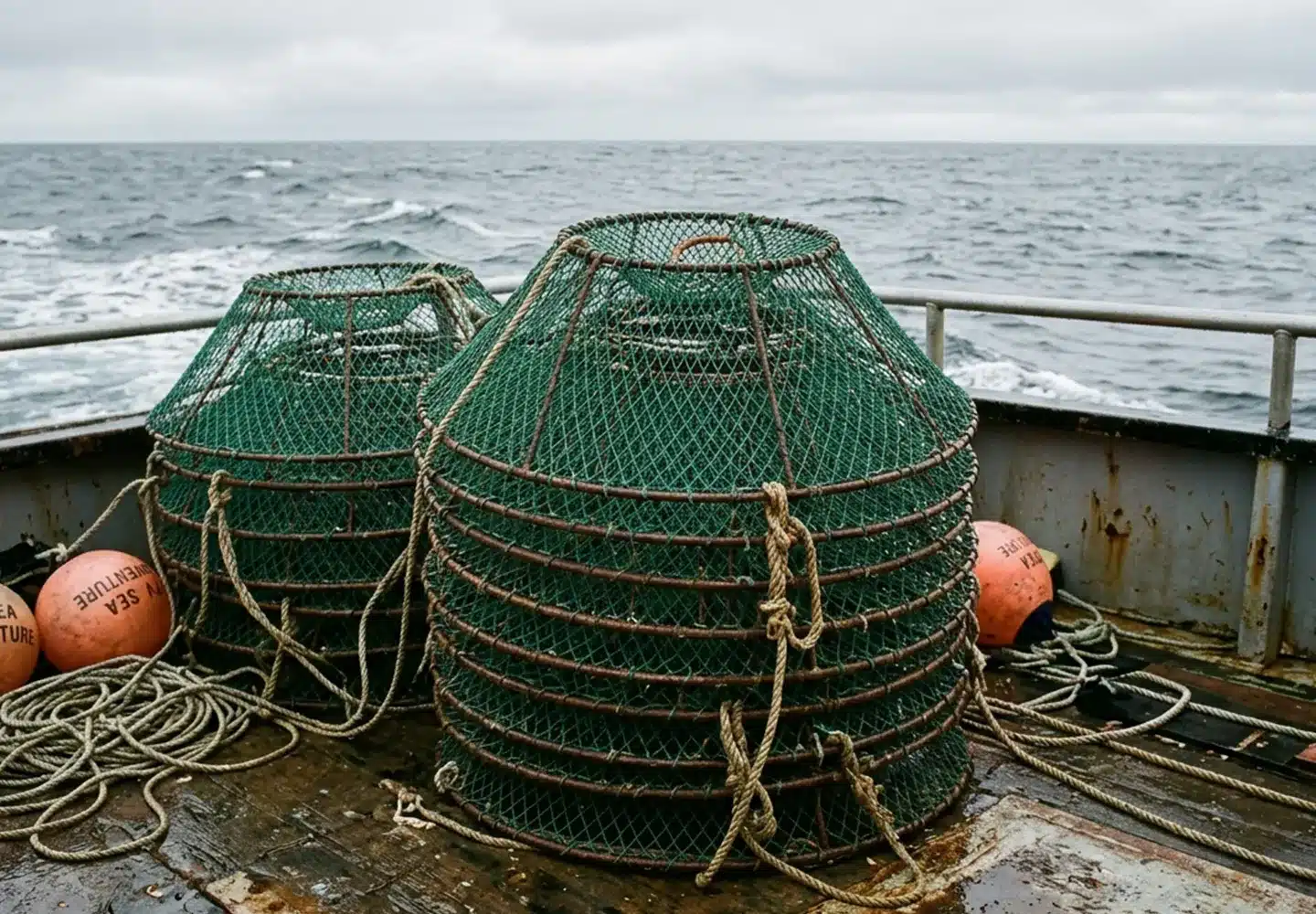
After Norway and Russia agreed in 2015 to manage Barents Sea snow crab as sedentary, Norway seized the Latvian boat Senator for crabbing on its shelf without a Norwegian licence. In 2019, Norway’s Supreme Court ruled the crab sedentary: a species doesn’t have to stay in one place to count, as long as it moves in constant contact with the seabed.
So who owns a crab on the seabed? Under the treaty, the country whose continental shelf it walks on. Off Newfoundland, the UN panel’s records show no ruling yet on Canada’s 2013 claim or France’s 2014 one. Watch whether Ottawa and Paris open formal talks, and whether this snow crab licence ever puts a trap in the water.