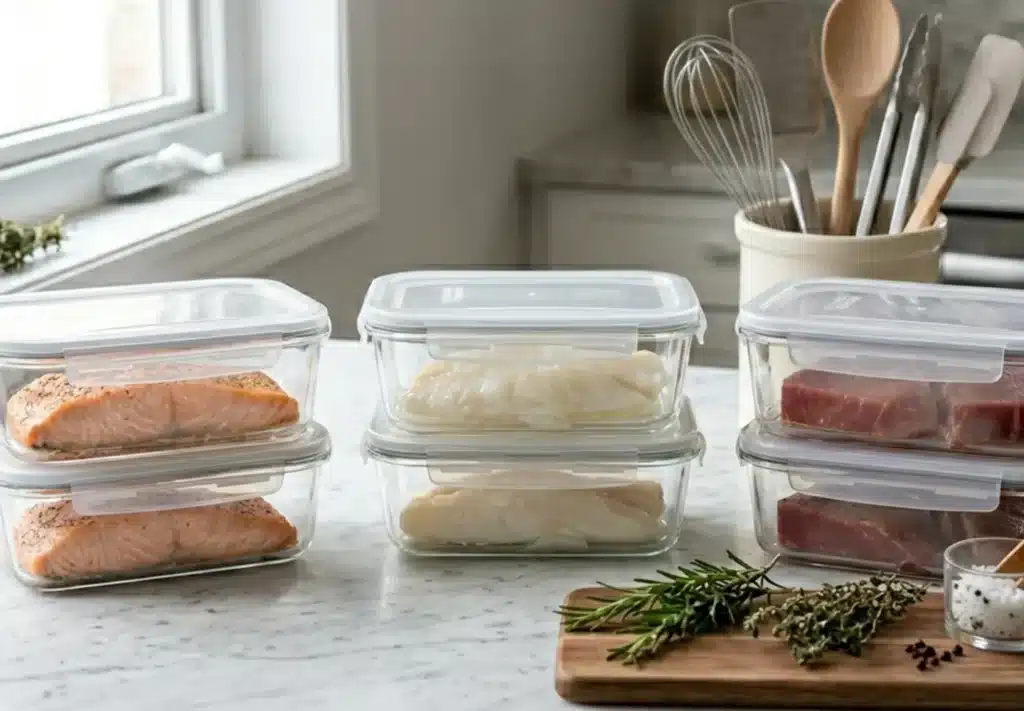
Choosing the best fish for weight loss is not about finding a single “perfect” option. It is about understanding how different types of fish affect calories, protein intake, and how full you feel after eating.
Fish stands out because it delivers high-quality protein with relatively low calories, while also providing nutrients that many other proteins lack. When used correctly, it can make fat loss easier to maintain over time.
Why fish is good for weight loss
Fish supports weight loss for a few key reasons.
First, it is high in protein. Protein is the most filling macronutrient, which helps reduce overall calorie intake. Research from the US National Institutes of Health shows that higher protein diets can improve satiety and support weight management.
Second, fish provides a range of important nutrients that support overall health. The Harvard T.H. Chan School of Public Health highlights that fish is a source of omega-3 fatty acids, vitamin D, iodine, and high-quality protein, all of which play roles in heart health, brain function, and overall nutrition.
These benefits matter because a sustainable weight loss plan is not just about calories. It is about maintaining overall health while reducing intake.
Fish is also generally lower in calorie density than many other animal proteins, which allows you to eat a satisfying portion without consuming excessive calories. Finally, fish consumption has been linked to metabolic health, making it a strong option for long-term weight management.
Lean vs fatty fish
Not all fish is the same when it comes to fat loss.
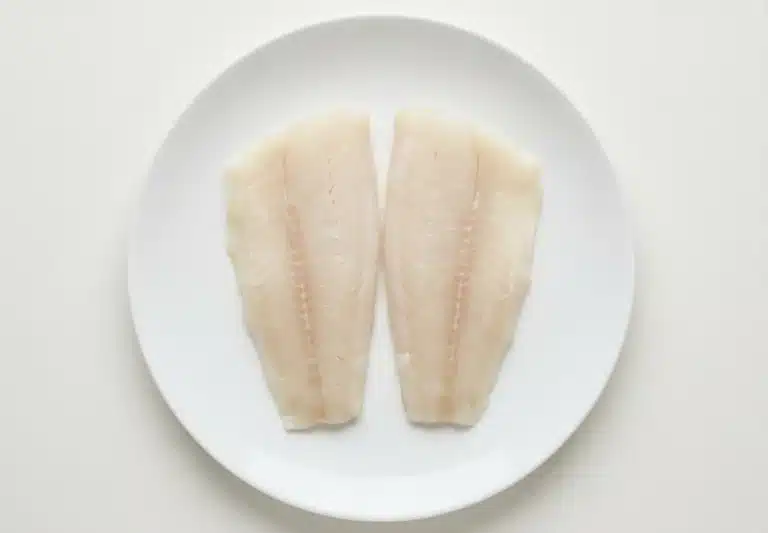
Lean fish such as cod, haddock, and pollock are very low in fat and calories. They provide a high amount of protein for very few calories, making them ideal for strict calorie control.
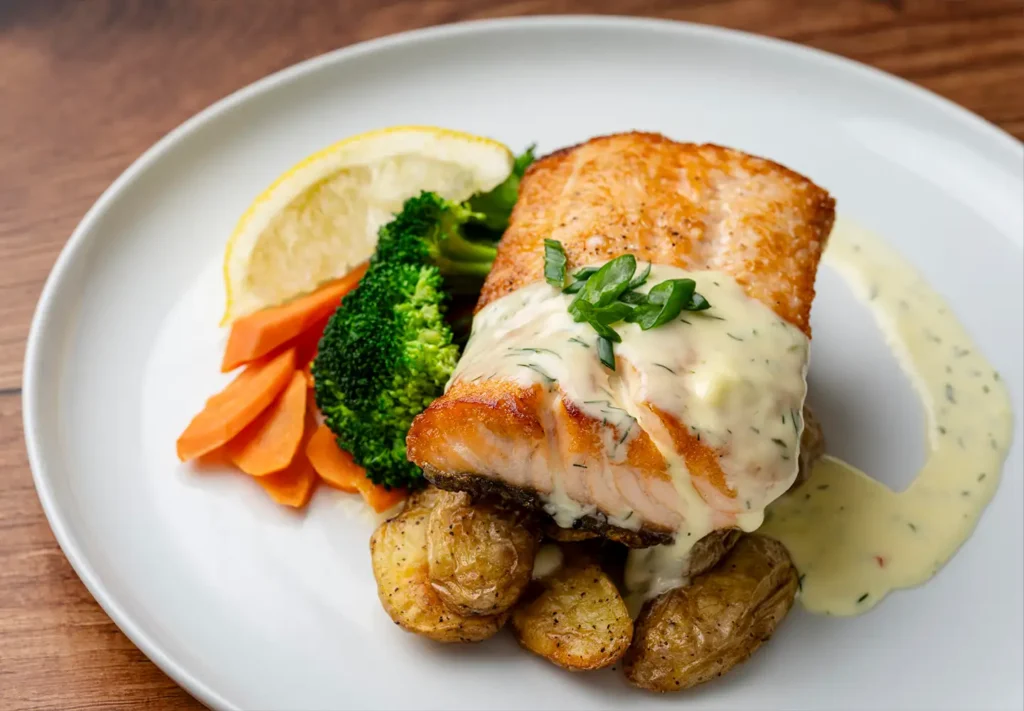
Fatty fish like salmon and Arctic char contain more calories because of their higher fat content. However, that fat can make meals more satisfying and easier to stick to over time. A simple way to think about it is this:
- Lean fish is like eating egg whites. It is very efficient for protein with minimal calories.
- Fatty fish is like eating whole eggs. It contains more calories but is more filling and satisfying.
Both can support weight loss, depending on your approach.
Best fish for weight loss
Here is a practical comparison of common fish options. Nutritional values are approximate and based on standard 100g portions from Canadian Nutrient File (Health Canada) and USDA FoodData Central. Actual values may vary by species and preparation method.
| Fish | Calories (per 100g) | Protein | Fat | Best for |
|---|---|---|---|---|
| Cod | ~82 | High | Very low | Low calorie, high protein meals |
| Haddock | ~90 | High | Low | Lean meal prep |
| Pollock | ~92 | High | Low | Budget-friendly fat loss |
| Salmon | ~206 | High | Higher | Satiety and nutrient density |
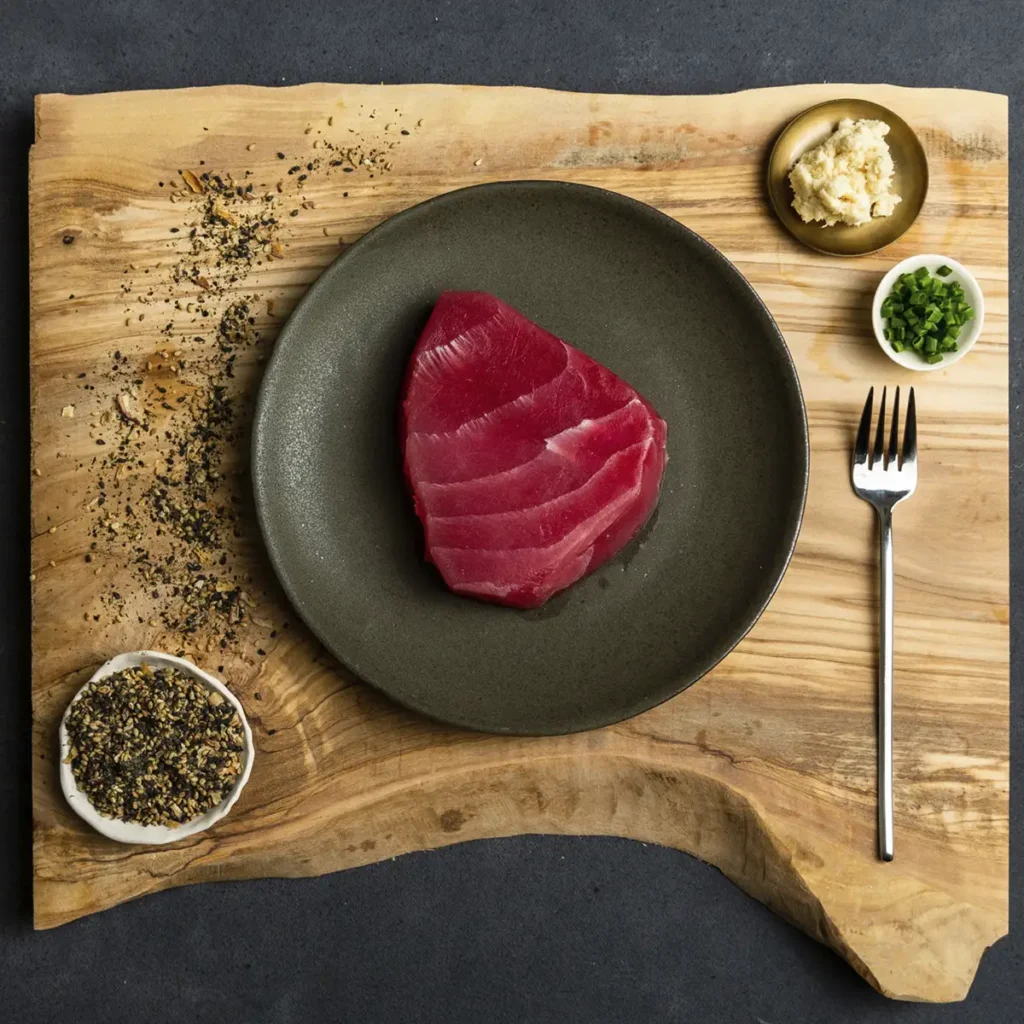
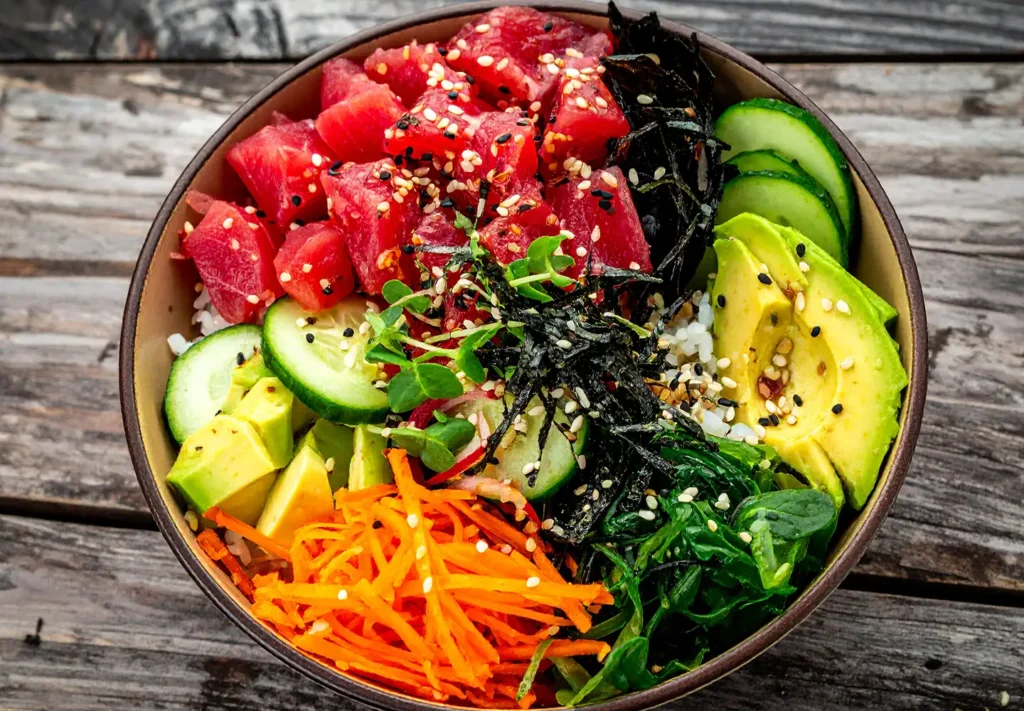
| Tuna | ~132 | Very high | Low | High protein meals |
| Shrimp | ~99 | High | Very low | Low calorie, quick meals |
Lean fish provides the most protein per calorie, while fatty fish provides better satiety and long-term adherence.
Low calorie high protein fish options
If your goal is to maximize protein while minimizing calories, lean fish is the best choice.
Cod, haddock, and pollock are among the most efficient protein sources available. They allow you to eat larger portions while staying within a calorie deficit.
This makes them ideal for:
- Meal prep
- High-volume eating
- Cutting phases
If you are already planning meals, this pairs well with strategies covered in your guide on meal prep and storage.
When fatty fish can actually help with weight loss
Fatty fish often gets overlooked in weight loss discussions because it contains more calories. However, it can be a powerful tool.
Meals that include healthy fats tend to be more satisfying. This can reduce snacking and improve consistency over time.
Omega-3 fatty acids may also play a role in metabolic health. The American Heart Association highlights their importance in overall health and inflammation management. In practical terms, fatty fish can help you stay on track, which is often the hardest part of weight loss.
How to cook fish for weight loss
Cooking method matters just as much as the type of fish.
The goal is to preserve protein while avoiding excess calories from added fats.
Best methods include:
- Baking at 180–200°C (350–400°F)
- Air frying with minimal oil
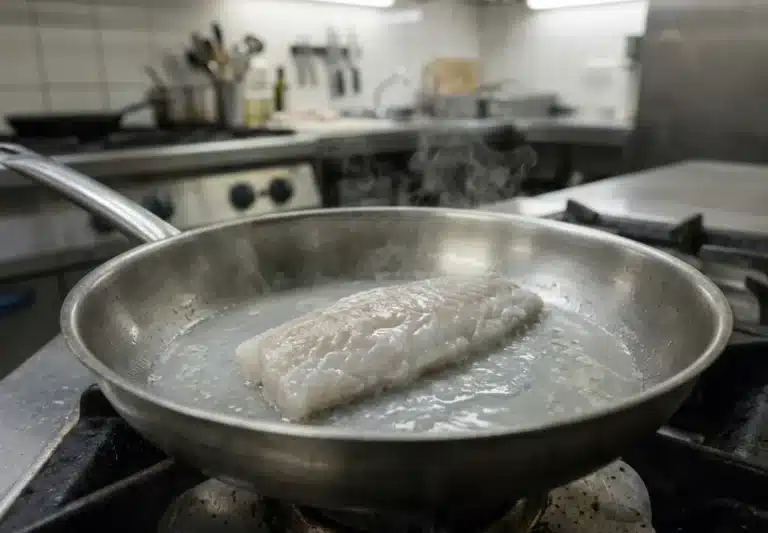
- Light pan-searing with controlled oil
Avoid deep frying or heavy sauces, which can quickly increase calorie intake.
If you struggle with cooking technique, understanding why fish sticks to the pan can help improve results and reduce the need for excess oil.
Common mistakes when using fish for fat loss
- Adding too much oil during cooking
- Overcooking, which makes fish dry and less enjoyable
- Only choosing lean fish and feeling unsatisfied
- Poor storage leading to waste
Balance is key. The best diet is one you can maintain consistently.
How seafood quality affects weight loss results
The quality of your seafood affects how enjoyable and effective your meals are. Fish with strong protein structure retains moisture better during cooking. This improves texture and makes meals more satisfying.
A simple way to think about this is like a sponge. When the structure is intact, it holds water well. When it breaks down, moisture is lost more easily.
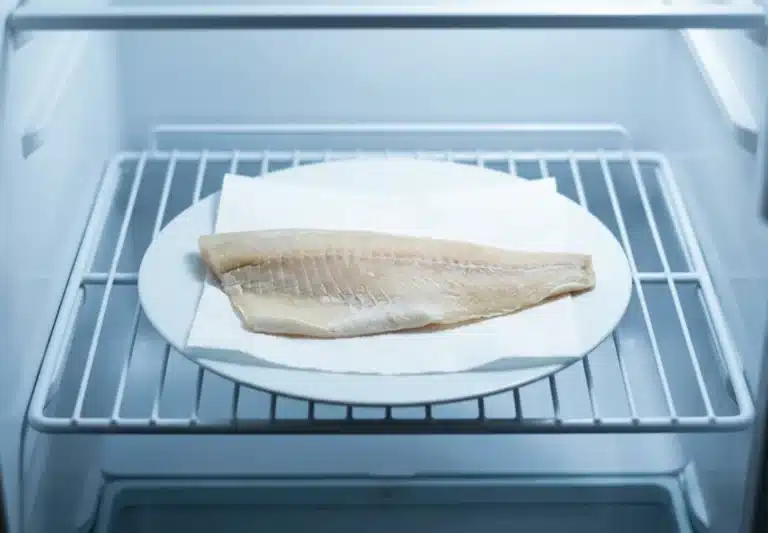
Better handling and storage help preserve this structure, leading to better cooking results and less waste.
Sustainably sourced seafood from Afishionado is handled with care to preserve protein quality and moisture, helping you create meals that are easier to stick with over time. You can explore available options directly through our online fish market.
Simple weight loss meals using fish
Simple meals make consistency easier.
You can build effective meals using:
- Air fryer salmon bowls for balanced nutrition
- Smoky shrimp tacos with lime yogurt slaw for lower calorie options
- Broiled haddock with brown butter breadcrumbs for lean protein meals
These meals align well with both flavour and nutritional goals, making them easier to repeat throughout the week.
Final thoughts
There is no single answer to the best fish for weight loss. The right choice depends on your goals and preferences.
Lean fish helps control calories more tightly. Fatty fish helps you stay full and consistent. Both can play a valuable role.
The most effective approach is to use a mix of both, cook them properly, and start with high-quality seafood. When meals taste good and keep you satisfied, weight loss becomes much easier to maintain.