Getting crispy fish skin is one of the most satisfying parts of cooking seafood, but it is also one of the easiest to get wrong. If the skin sticks, turns soggy, or cooks unevenly, the issue is rarely the recipe. It is technique.
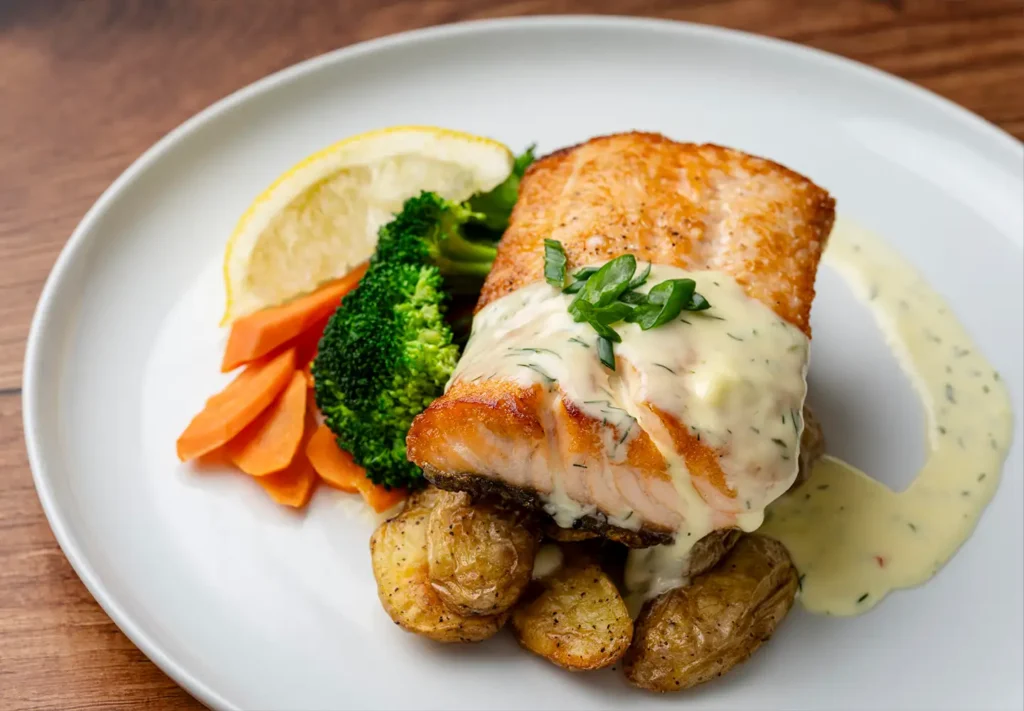
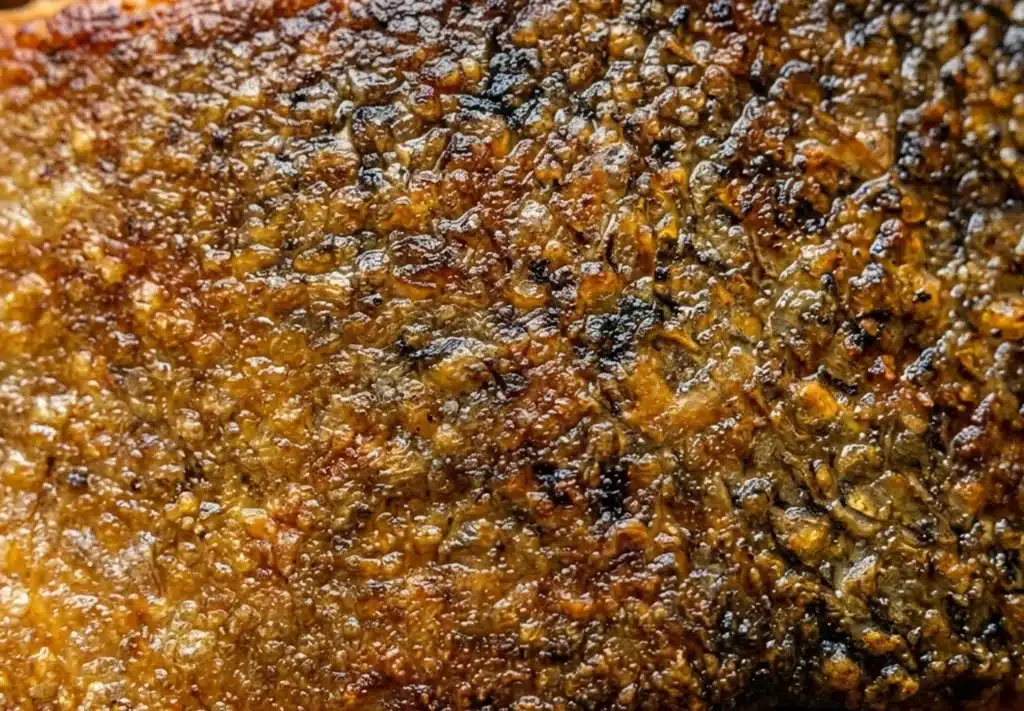
Crispy skin comes down to three things: dryness, heat, and contact. When those are controlled properly, the skin renders, tightens, and crisps instead of steaming.
Why crispy fish skin is hard to get right
Fish skin contains moisture, collagen, and fat. To become crispy, moisture must evaporate, fat must render, and the surface must reach high enough temperatures for browning.
If any of these steps are interrupted, the result is soft or rubbery skin.
Common problems include:
- excess surface moisture
- low or unstable pan temperature
- poor contact with the pan
Food science shows that moisture prevents the surface from reaching temperatures required for browning and crisping.
Method 1: the dry skin, hot pan method
This is the most reliable and widely used technique. It is supported by professional kitchens and sources like America’s Test Kitchen.
How it works
Drying removes surface moisture so heat can act immediately. A hot pan ensures rapid evaporation and browning.
Steps
- Pat the skin completely dry
- Let it air-dry in the fridge for 10 to 30 minutes if possible
- Preheat a pan until hot, then add oil
- Place fish skin-side down and press gently for even contact
- Do not move it until the skin releases naturally
Why it works
This method maximizes surface temperature and contact. It allows fat to render and moisture to escape quickly.
America’s Test Kitchen explains that removing surface moisture and using high heat are key to achieving proper browning and crisp texture.
Method 2: the cold pan, gradual render method
This method is less common but highly effective, especially for fatty fish like salmon.
How it works
Instead of starting hot, the fish is placed in a cold pan and heated gradually. This allows fat under the skin to render slowly before browning.
Steps
- Place fish skin-side down in a cold pan
- Turn heat to medium
- Allow fat to render slowly as temperature rises
- Increase heat near the end to crisp the skin
Why it works
Gradual heating prevents the skin from tightening too quickly. This improves contact and allows more fat to render, leading to a crisp finish.
This method is often used in restaurant kitchens for consistent results with salmon.
Method 3: the dry brine and sear method
This method builds on the first technique by adding a light salting step before cooking.
How it works
Salt draws moisture out of the skin and helps dry it more effectively. It also improves flavour and surface texture.
Steps
- Lightly salt the skin side
- Let the fish rest uncovered in the fridge for 30 to 60 minutes
- Pat dry again before cooking
- Sear in a hot pan
Why it works
Salt accelerates moisture removal and slightly tightens proteins at the surface. This creates a drier, more stable surface for crisping.
Research on salting proteins shows it improves water control and surface drying, which supports better browning.
Best fish for crispy skin
Not all fish skin behaves the same. Structure and fat content matter.
Fish that work best:
- Salmon
- Arctic char
- Sea bass
- Snapper
These fish have skin that contains enough fat to render and crisp properly.
More delicate fish can still work, but require more control and shorter cooking times.
Common mistakes that ruin crispy fish skin
Even with the right method, small mistakes can undo everything.
- cooking with wet skin
- moving the fish too early
- overcrowding the pan
- using low heat
- flipping too soon
Each of these prevents proper evaporation, rendering, or browning.
If you want to understand why moisture is such a problem, read our guide on pat fish dry before cooking.
How this connects to freezing and thawing
Crispy skin is harder to achieve if the fish has released excess moisture during thawing.
If protein structure has been weakened, the fish may release water into the pan, preventing proper crisping.
If you are working with frozen fish, proper handling matters:
- thaw slowly
- pat dry thoroughly
- allow surface moisture to evaporate
Learn more in our guide on how to thaw frozen fish.
Practical tips for consistent results
A few small adjustments make a big difference:
- always start with dry skin
- use enough oil to coat the pan
- press gently for full contact
- cook skin-side longer than flesh-side
Crispy skin is about control, not complexity.
Cirspy fish skin: Bringing it back to quality
Crispy fish skin is not just about technique. It starts with the fish itself. Well-handled fish holds its structure, releases less water, and responds better to heat.
Once you control moisture, heat, and contact, the process becomes repeatable.
Browse our online fish market to start with fish that performs consistently and crisps the way it should.