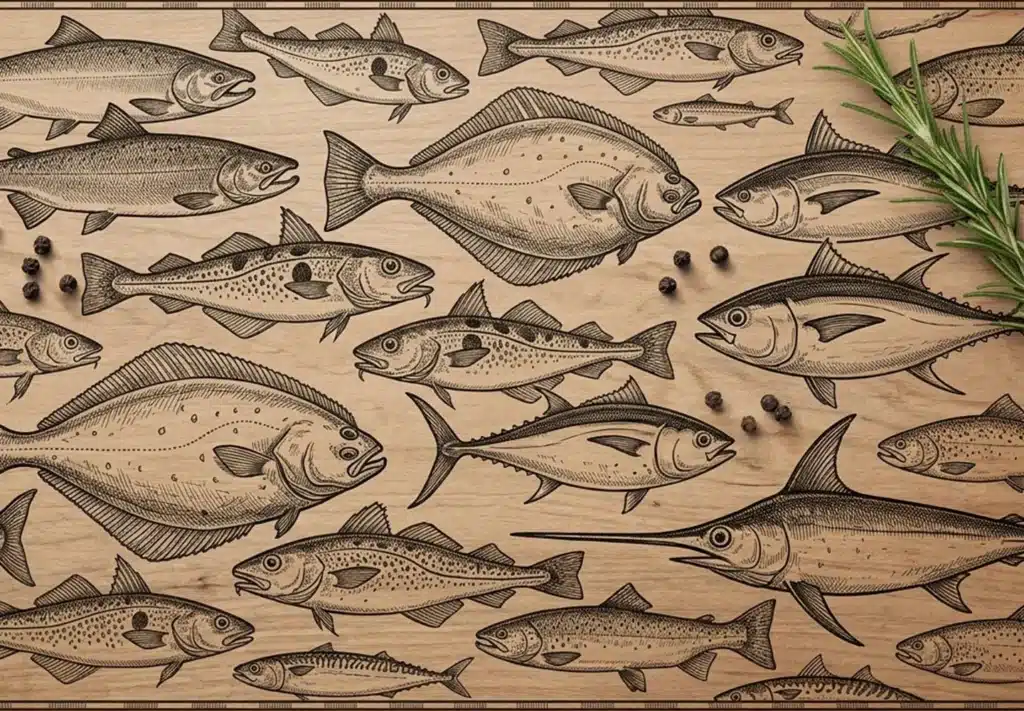
If you have ever wondered why some fish fall into delicate flakes while others stay dense and meaty, you are already seeing the difference between flaky vs firm fish. This is not just about texture. It affects how fish cooks, how it holds moisture, and which methods work best.
Understanding this difference makes it much easier to choose the right fish and cook it with confidence.
What makes fish flaky or firm
The difference comes down to muscle structure and connective tissue.
Flaky fish have shorter muscle fibres that separate easily when cooked. This creates the classic layered texture you see in fish like cod or haddock.
Firm fish have longer, tighter muscle fibres. They hold together more like meat and require more force to separate.
Fat content also plays a role. Fish with higher fat levels tend to feel more cohesive and forgiving when cooked.
Research by FAO explains that fish muscle structure varies by species, affecting texture, moisture retention, and how proteins behave during cooking.
What is flaky fish
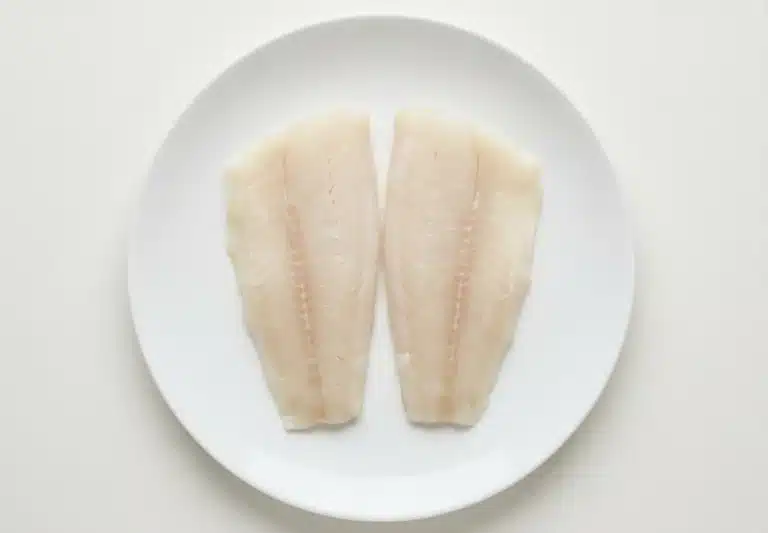
Flaky fish is known for its light, delicate texture. When cooked properly, it separates into soft layers with minimal effort.
Common flaky fish include:
- Cod
- Haddock
- Pollock
- Flounder
These fish are usually lean, with lower fat content. This makes them more sensitive to heat and more prone to drying out.
What is firm fish
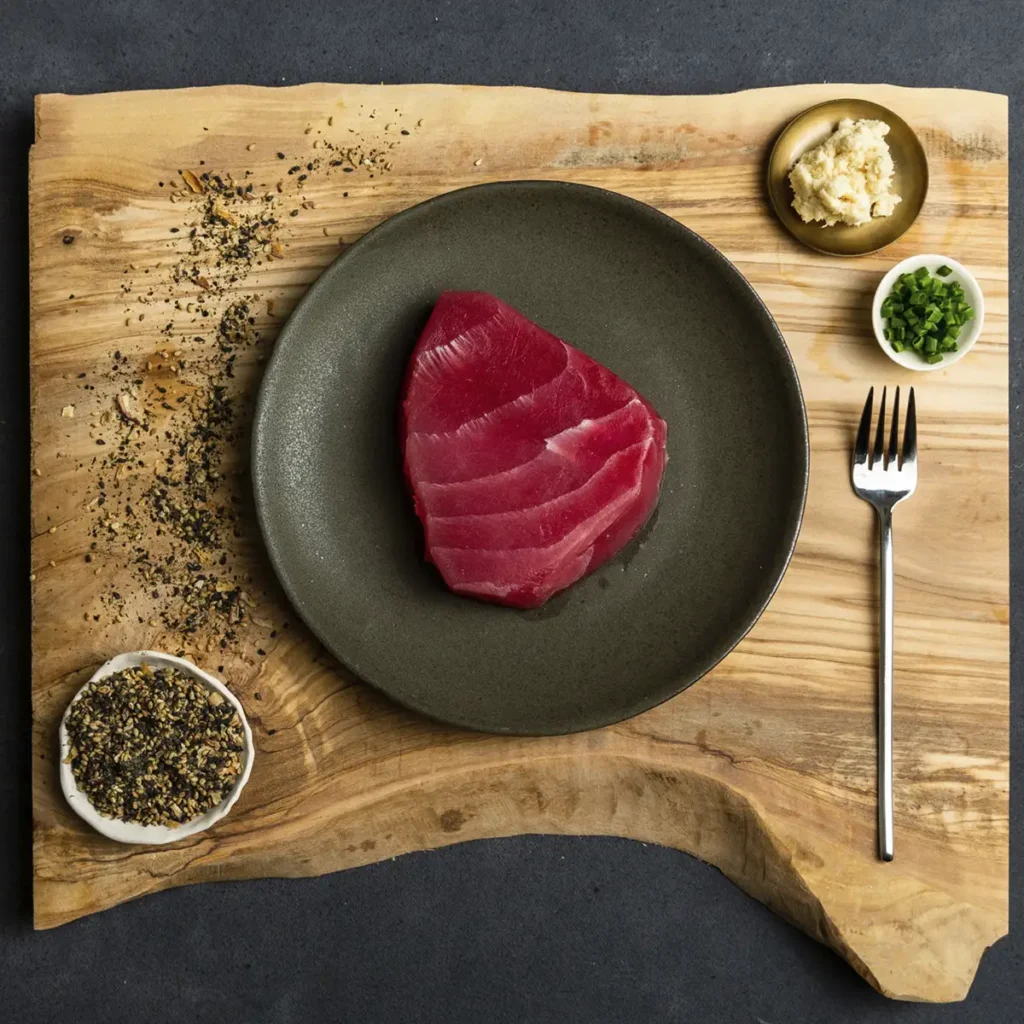
Firm fish has a denser, meatier texture. It holds its shape well during cooking and can handle more aggressive methods.
Common firm fish include:
- Salmon
- Tuna
- Swordfish
- Mahi-mahi
These fish often have higher fat content or stronger muscle structure, which helps them retain moisture and resist breaking apart.
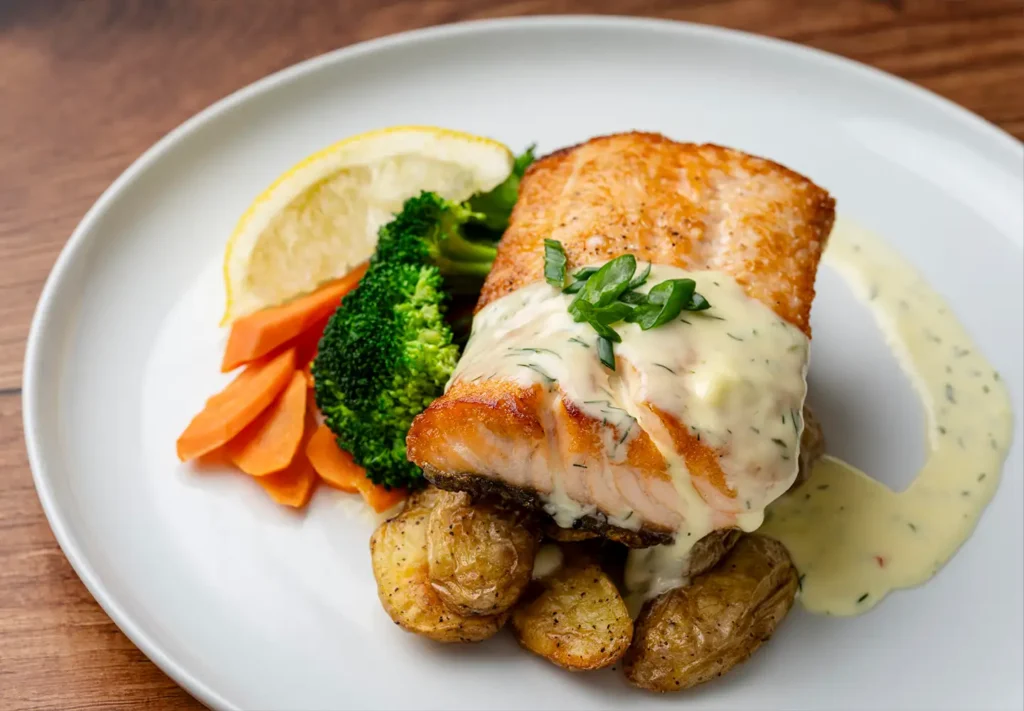
Salmon is one of the best examples of this. Its fat content makes it more forgiving and consistent, especially for high heat cooking methods like searing.
Our Sustainable Blue salmon is raised in a fully land-based system, giving you a consistent structure and clean flavour that makes it easier to cook reliably at home.
Why this difference matters when cooking
Flaky and firm fish respond very differently to heat.
Flaky fish cooks quickly and can fall apart if overhandled. Firm fish cooks more slowly and can tolerate higher heat without losing structure.
This affects:
- cooking time
- heat level
- handling during cooking
If you use the wrong approach, you can end up with fish that is dry, broken, or unevenly cooked.
How to cook flaky fish
Flaky fish benefits from gentle cooking methods that preserve its structure.
Best approaches:
- baking
- poaching
- steaming
- low to medium heat pan cooking
These methods reduce the risk of overcooking and help maintain moisture.
Key tips:
- handle gently
- avoid flipping too often
- cook just until it flakes
If you want to understand how moisture affects delicate fish, read our guide on pat fish dry before cooking.
How to cook firm fish
Firm fish can handle more intense cooking methods. It is more forgiving and easier to work with for beginners.
Best approaches:
- high heat searing
- grilling
- roasting
These methods help develop flavour through browning while maintaining structure.
Key tips:
- preheat your pan properly
- use enough oil
- let the fish develop a crust before moving it
How freezing and thawing affect flaky vs firm fish
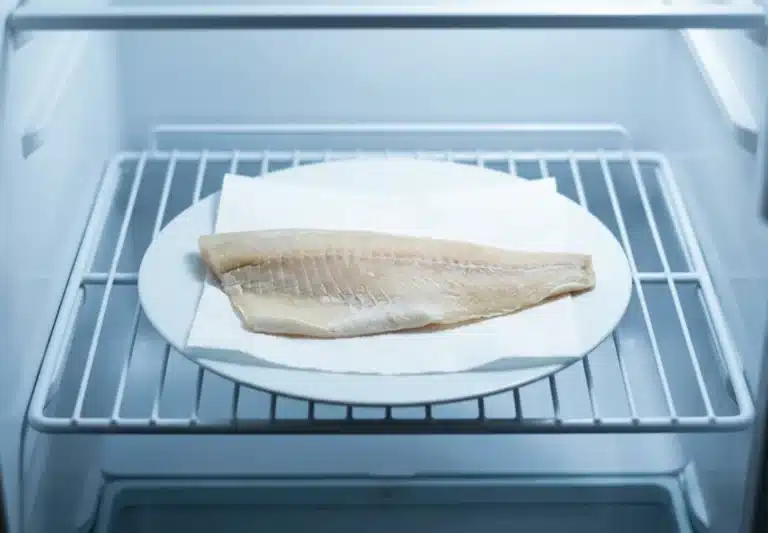
Handling matters even more with flaky fish. If the structure has been weakened during freezing or thawing, it becomes even more fragile.
Firm fish is more forgiving, but still affected by moisture loss and protein changes.
If you want to understand this in more detail, read our guide on frozen fish quality and how it impacts texture.
Choosing the right fish for your skill level
If you are new to cooking seafood, firm fish is usually easier to start with. It gives you more margin for error and responds better to high heat.
Flaky fish is better once you are comfortable controlling temperature and handling delicate proteins.
If you are just getting started, our guide on best fish for beginners can help you choose the right starting point.
Practical tips for better results
A few simple adjustments make a big difference:
- match cooking method to fish type
- control heat carefully
- avoid overcooking
- let fish rest briefly after cooking
These fundamentals apply to both flaky and firm fish.
Flaky vs firm fish: Bringing it all together
The difference between flaky vs firm fish comes down to structure, fat content, and how the fish responds to heat.
Once you understand that, cooking becomes much more predictable. You stop guessing and start choosing the right method for the right fish.
Browse our selection to find fish with the right texture and structure for how you want to cook.