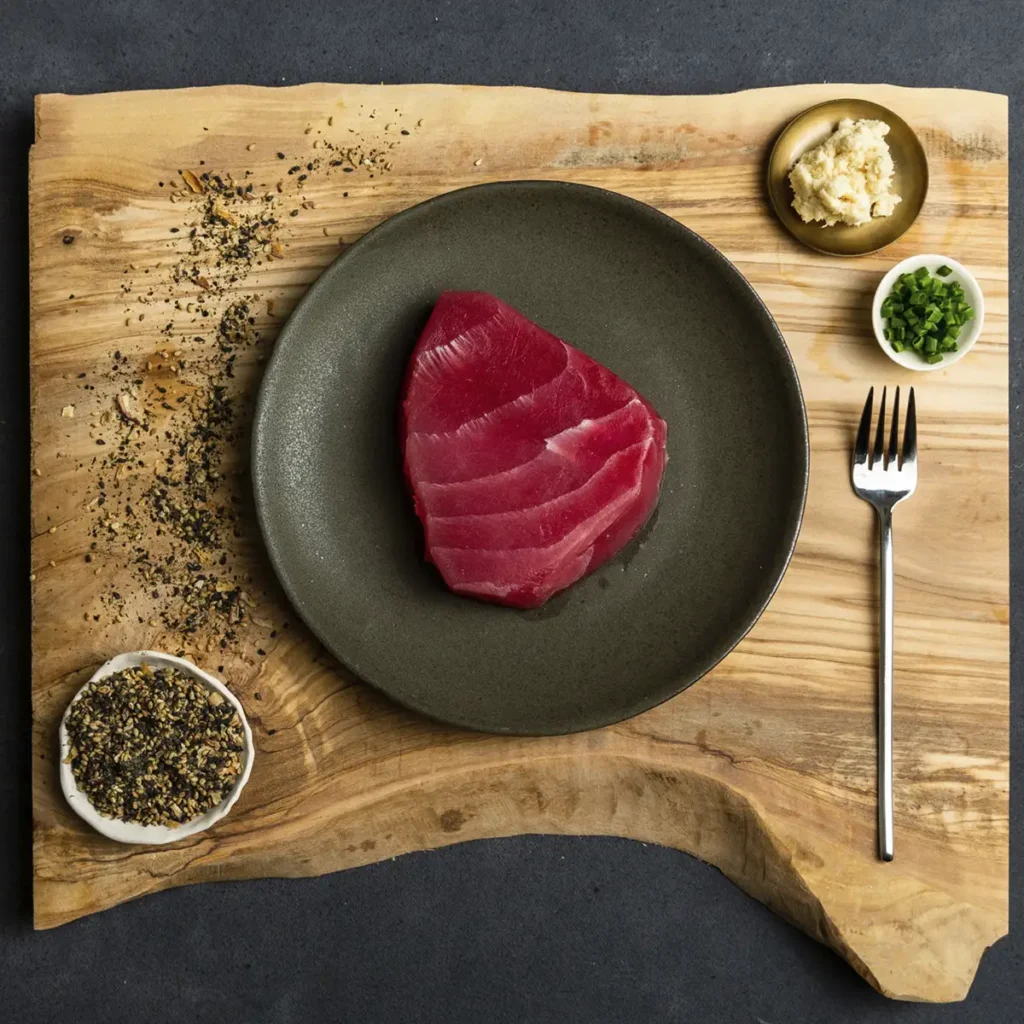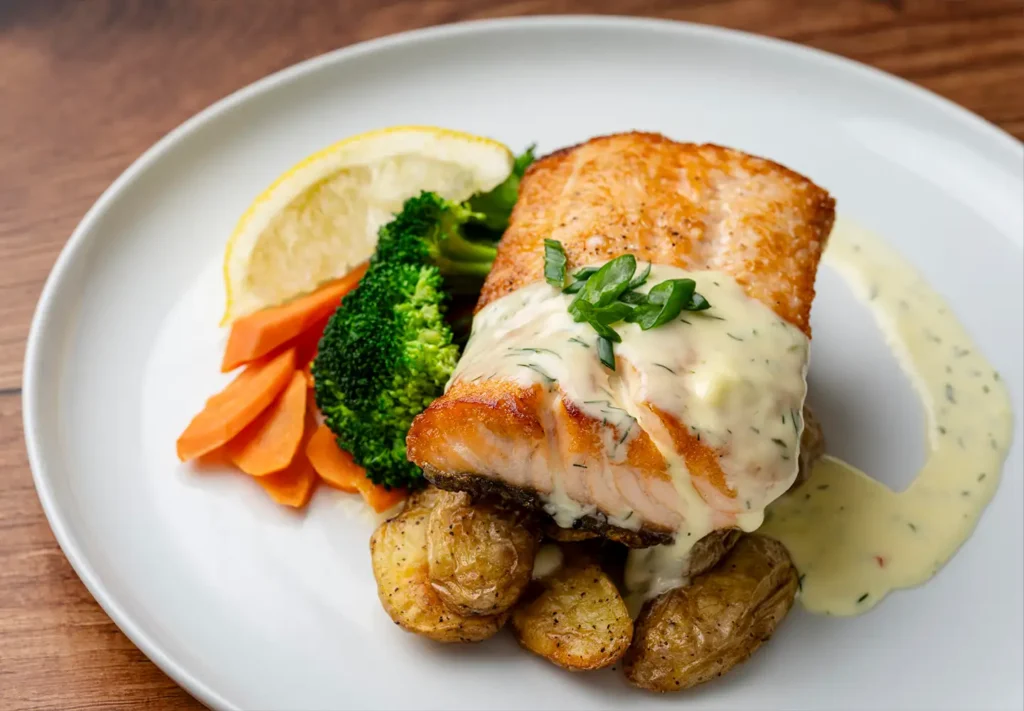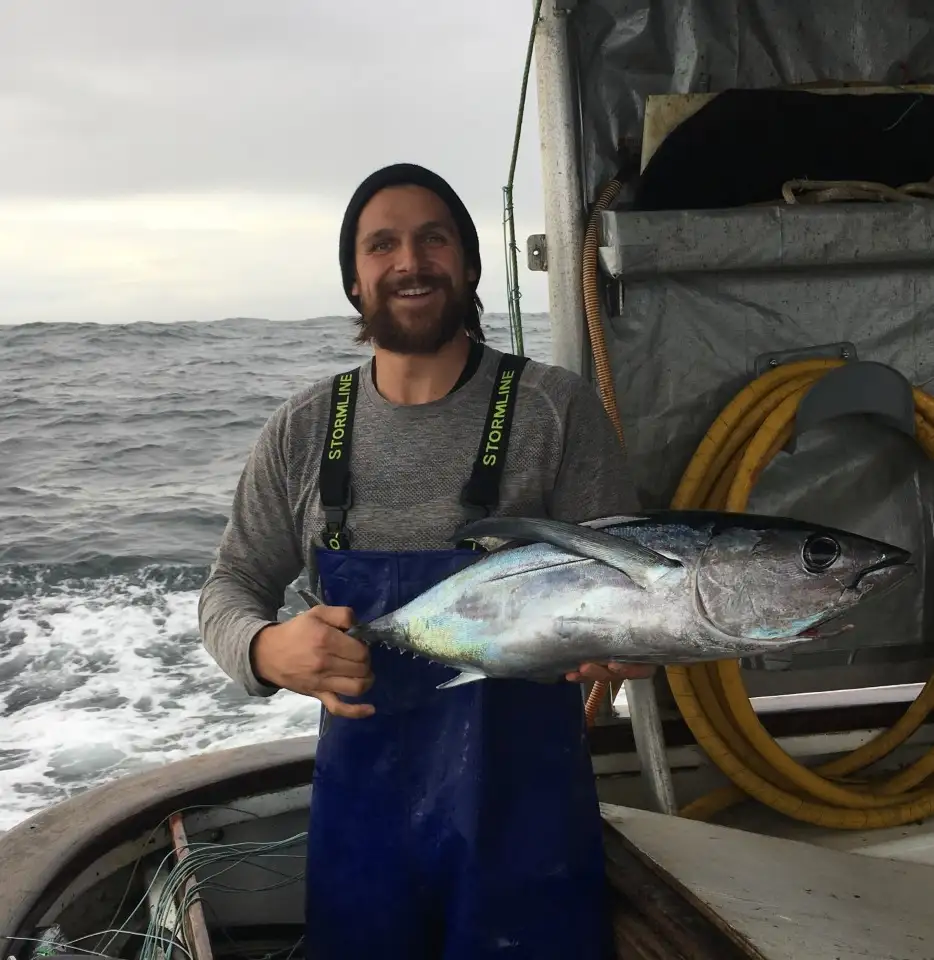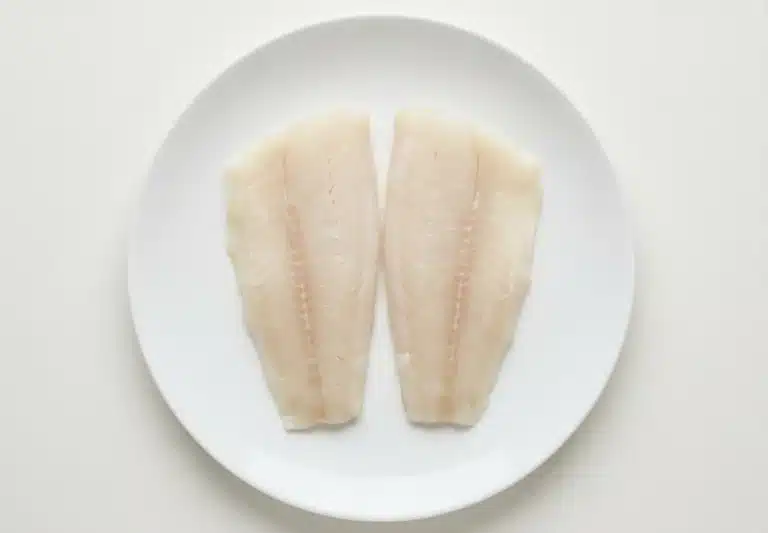
You deserve to know where your seafood comes from. Traceability matters because it builds trust. It ensures safety, legality, and sustainability. In Canada, clear systems guide seafood from ocean or farm to your table.
Why traceability matters
You deserve to know where your seafood comes from. Seafood traceability in Canada helps you make safe, ethical choices and rewards responsible harvesters. It also protects marine ecosystems by deterring illegal, unreported, and unregulated fishing.
Traceability matters to you because it delivers real benefits you can see and feel in the marketplace. It also gives regulators and retailers the proof they need to keep the supply chain honest.
- Food safety and quality: Traceability enables fast recalls, confirms species identity, and supports cold-chain control.
- Ocean health: It helps keep illegal and unsustainable products out of the system.
- Consumer confidence: Clear records and labels reduce fraud and mislabelling.
- Fairness for producers: Responsible fishers and farmers can prove their practices and access premium markets.
What seafood traceability means
Seafood traceability is the ability to follow a fish or shellfish from catch or farm to your plate. Each step in the chain records key data such as species, harvest location, harvest date, gear or farming method, processing, and distribution.
This record lets regulators verify legal origin and lets you verify claims on a package or menu. When problems arise, products can be traced and removed quickly to protect public health.
How seafood traceability in Canada works
Canada anchors traceability in federal programs and regulations. These systems aim to stop illegal products at the border, meet trading partner rules, and give consumers clear information.
Two pillars do most of the work, with a national consultation laying groundwork for future improvements.
- Catch Certification Program (CCP): Fisheries and Oceans Canada issues catch certificates for exports to markets that require proof of legal origin. The program was created to meet European Union rules on illegal, unreported, and unregulated fishing. Canada has also arranged country-specific requirements for Ukraine and certain products for Japan. The Fisheries Certificate System supports issuance and auditing.
- Safe Food for Canadians Regulations (SFCR): The Canadian Food Inspection Agency requires businesses to keep traceability records and provide accurate labels. Labels must include items such as common name, lot code or unique identifier, and business name and address. CFIA provides industry guidance to help companies comply and prevent mislabelling.
- Boat-to-plate consultation: The Government of Canada consulted on approaches to enhance full-chain traceability and labelling. CFIA’s discussion paper and a parliamentary brief summarize the mandate and feedback received. Stakeholders such as Oceana Canada and SeaChoice submitted recommendations.
Eco-labels that support traceability: MSC, ASC, and Ocean Wise
Eco-labels add third-party verification on top of legal requirements. They help you spot products that meet credible standards and have documented chains of custody.
These programs use audits and chain-of-custody controls so labels follow certified products through processing and distribution. They also publish requirements that are transparent and publicly accessible.
- Marine Stewardship Council (MSC): Focuses on wild-capture fisheries and chain-of-custody. The 2024 MSC and GlobeScan study surveyed 2,175 Canadians and found that sustainability matters to seafood buyers and that labelled options influence choices.
- Aquaculture Stewardship Council (ASC): Covers farmed seafood with environmental and social criteria and a chain-of-custody system for buyers.
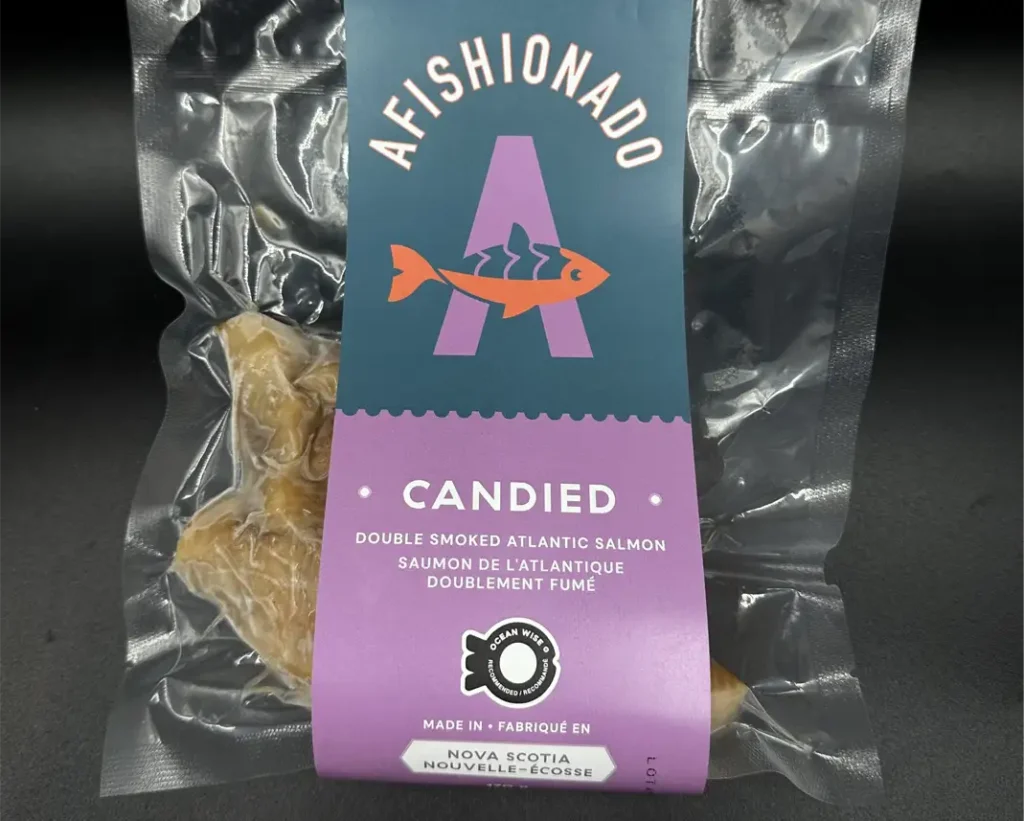
- Ocean Wise: A Canadian science-based recommendation program that helps consumers and businesses choose sustainable options. Its consumer pages explain how to find Ocean Wise Recommended seafood and why it matters.
Keep a look out for MSC, ASC, and Ocean Wise labels when buying seafood. Here’s a look at what those labels look like.
What Canadian consumers say about transparency and labels
Research in Canada shows that people care about ocean health, yet many still want clearer information in stores. Understanding labels increases the chance that shoppers will pick certified products.
These insights can help you choose with confidence. They also show retailers what information to highlight so you can make quick, informed decisions.
- A peer-reviewed study of consumers in the Greater Toronto Area found high concern for marine health but limited understanding of sustainability terms and ecolabels. Better understanding correlated with higher purchasing of ecolabelled seafood. Barriers included confusion about labels, limited in-store guidance, and lack of product information.
- The 2024 MSC and GlobeScan Canada report shows strong interest in sustainability and growing influence of credible labels at the point of sale.
What to look for when you buy seafood
A few simple checks can help you buy with confidence. You do not need to be an expert to make a smart choice.
Use this quick list to evaluate labels, claims, and store practices when you shop.
- Specific identity: Look for the common name of the species and a lot code or unique identifier. These are required signals that traceability is in place.
- Origin details: Check for harvest area or country of origin. Ask for harvest method if it is not listed. Responsible vendors can provide it.
- Credible eco-labels: For wild species, look for MSC. For farmed species, look for ASC. For recommendations in Canada, look for Ocean Wise.
- Documentation on request: For exported products or imports subject to partner rules, vendors should be able to show documentation that proves legal origin.
- Transparent retailers: Choose stores that explain sourcing in plain language and answer questions on the spot. CFIA encourages accurate labelling and record-keeping for this reason.
How Afishionado keeps the chain transparent
You trust us with your seafood. We earn that trust by tracing products from harvest or farm to delivery and by sharing the details you care about.
Here is how we put transparency into practice every day.
- End-to-end records: We maintain product histories from the source to our door and to yours.
- Qualified partners: We work with harvesters, processors, and farms that meet legal traceability and labelling rules in Canada. We prioritize partners prepared for export documentation such as catch certificates where relevant.
- Certified choices: We prioritize MSC, ASC, and Ocean Wise offerings whenever possible and mark certification or recommendation status clearly on product pages and packing slips.
Putting it all together
Seafood traceability in Canada gives you insight into what you are buying and gives responsible producers a way to prove good practice. Government rules set the floor. Eco-labels and recommendations help you go further with trusted third-party checks. When you combine both, you get seafood you can feel confident about every time.
You have power in the marketplace. When you ask questions and look for credible labels, you reward the people who fish and farm responsibly. That is how everyday choices protect oceans.
Do you know where your seafood comes from?