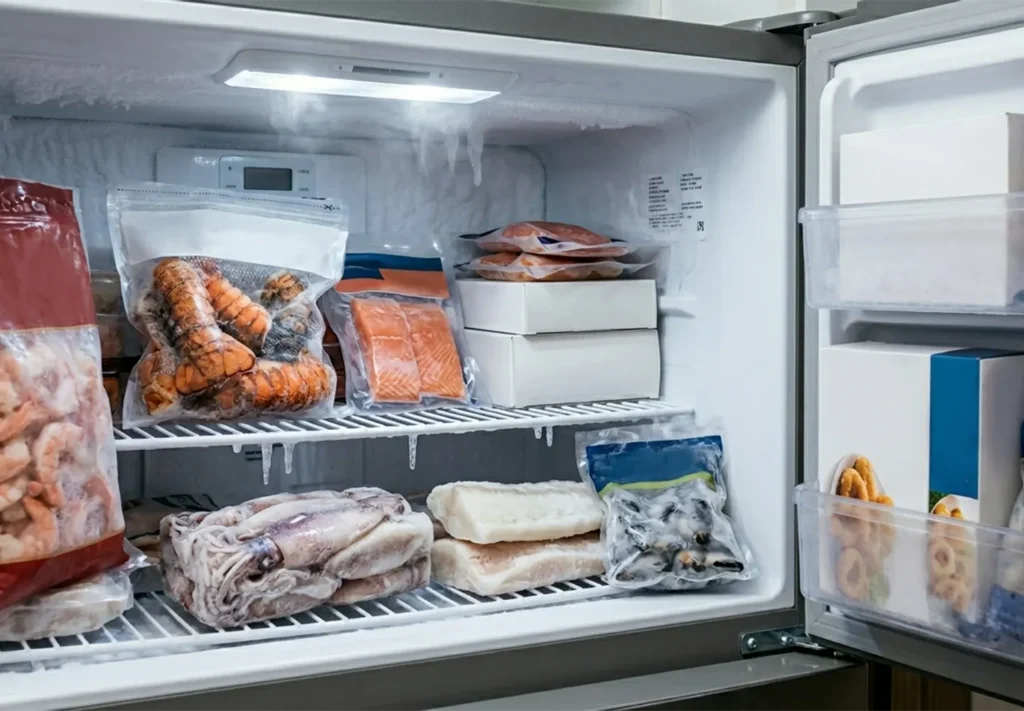
Most people have a freezer full of mystery protein. A bag of something that was on sale six months ago. A half-empty box of breaded something. Two dinners’ worth of chicken that’s been there long enough to develop personality. None of it has a plan. The best frozen seafood is supposed to fix that problem, but only if you stock the right things.
A well-stocked seafood freezer fixes that problem. The best frozen seafood is the kind that gives you options, holds its quality, and shortens the distance between “I should make dinner” and “dinner is on the table.” Done right, it’s not a backup plan. It’s the plan.
Here’s what actually earns a permanent spot.
What makes frozen seafood worth keeping
Before we get to the list, it’s worth setting the criteria. Not all frozen seafood is created equal, and a freezer full of the wrong things is just slow-moving inventory.
Three things matter:
Freezer life and handling. Look for seafood that’s been frozen at peak quality, ideally individually quick frozen (IQF) at the source. IQF locks in the moment the fish came out of the water, which means it stays better for longer. If you want a deeper look at why, our guide to frozen fish quality covers it properly.
Versatility. Every product in your freezer should be able to anchor more than one type of meal. If it only works in one dish, it’s going to sit there until you forget about it.
Sourcing you can verify. The phrase “frozen seafood” is doing a lot of work in most grocery stores. You want to know where it came from, how it was caught or raised, and whether anyone has independently checked the practices. If the label can’t tell you, the product probably isn’t worth your freezer space.
With that out of the way, here’s what we actually recommend keeping on hand.
The best frozen seafood to stock, and why each one earns its place
Atlantic salmon
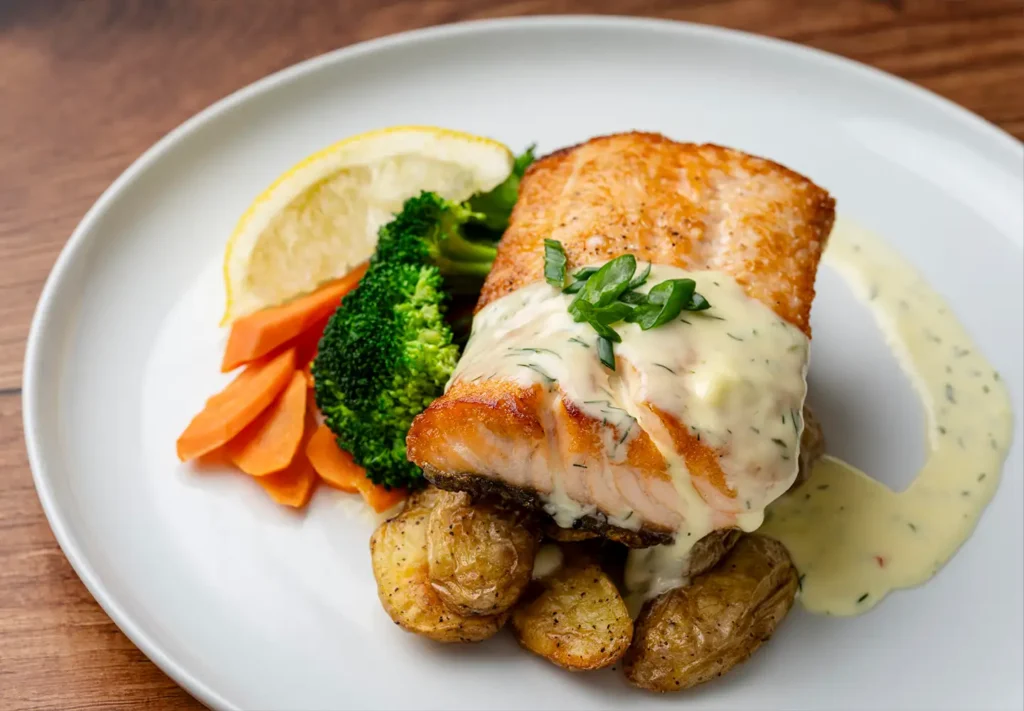
Salmon is the freezer staple that does the most. It works as the centre of a dinner, the protein in a grain bowl, the cold leftover that becomes tomorrow’s lunch. It takes high heat, low heat, sweet glazes, sharp citrus, and dry rubs. There’s almost nothing you can’t do with a 6oz portion of good salmon.
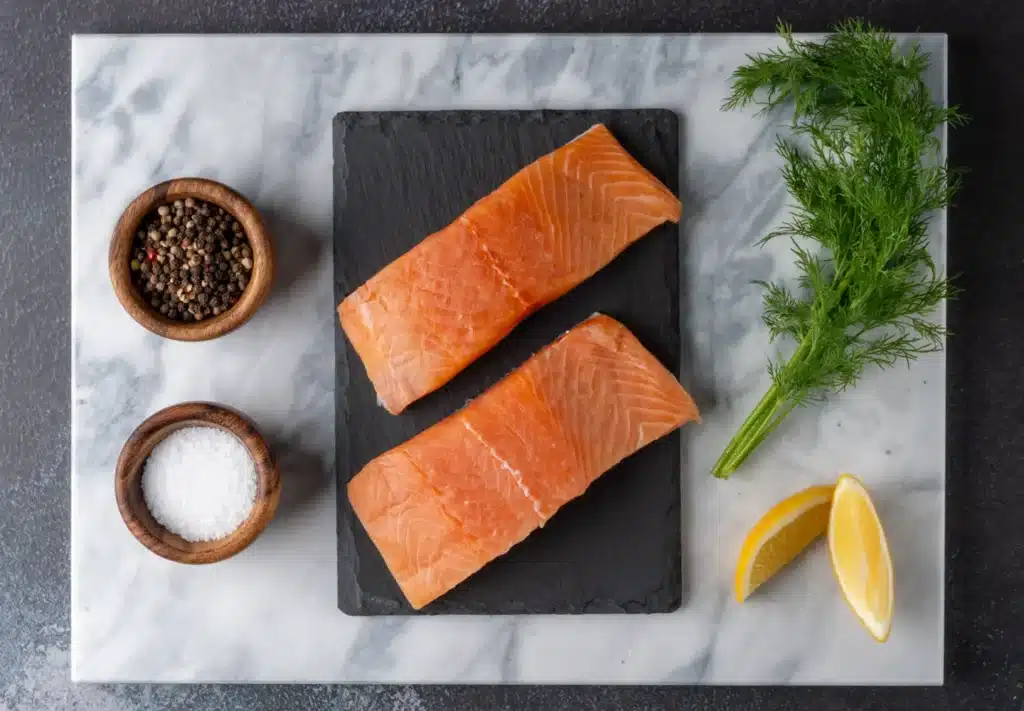
The catch is that not all salmon is equal. Sustainable Blue raises Atlantic salmon on land in Nova Scotia using a closed-loop system with zero ocean discharge. No antibiotics. No added hormones. No sea lice. The result is salmon with a clean flavour, dense texture, and a sourcing story you can actually verify. It freezes exceptionally well in 6oz portions, which means you can pull exactly what you need without committing to a whole side.
A practical use case: our maple mustard glazed salmon takes about fifteen minutes from freezer to table once thawed. That’s the kind of dinner that justifies the freezer real estate.
Haddock
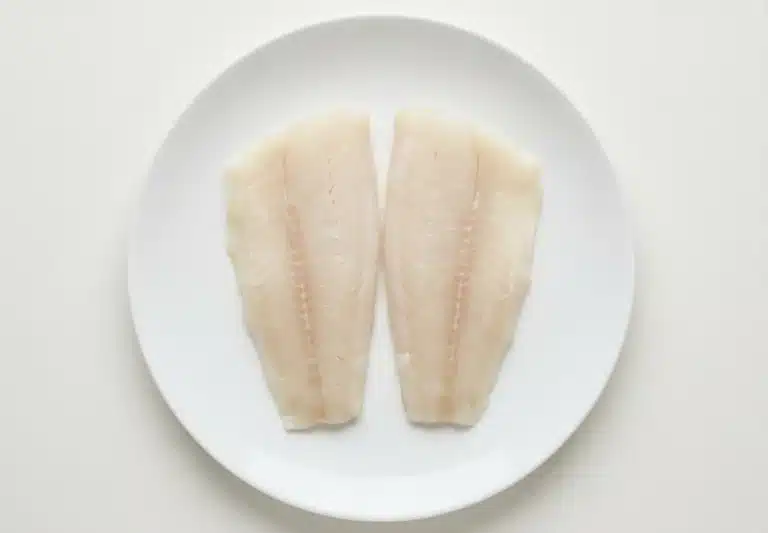
If salmon is the rich, dense one, haddock is the workhorse. Mild, flaky, slightly sweet, and forgiving on the stove. It’s the fish you reach for when you want dinner without overthinking it, or when you’re cooking for someone who claims they don’t like fish.
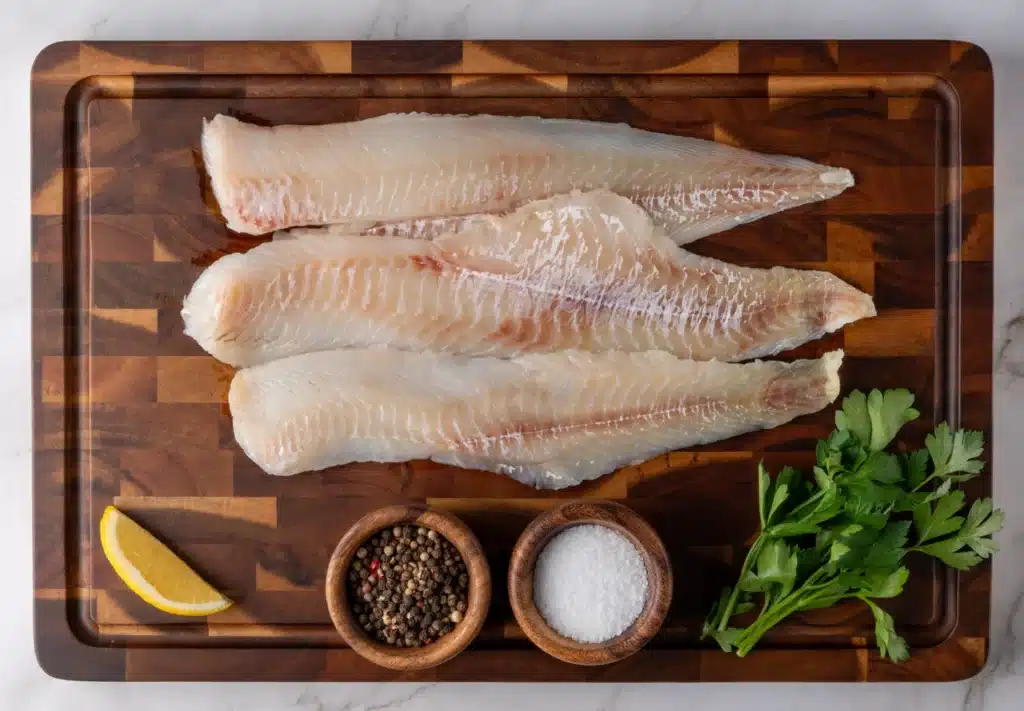
Atlantic Canadian haddock has a finer texture than haddock from colder Pacific or Arctic waters, which means it holds up to most cooking methods without falling apart. Pan-fry it, bake it with breadcrumbs, poach it gently for a chowder, or batter it for fish and chips. It’s also one of the better starter fish for anyone learning to cook seafood. If you want the full picture on why, our haddock guide covers everything from sourcing to cooking technique.
For a recipe worth keeping in rotation, the broiled haddock with brown butter breadcrumbs shows what the fish can do with almost no effort.
IQF shrimp
Shrimp might be the most practical thing you can keep in your freezer. Individually quick frozen means each one is separated, so you can pull six or twenty out of the bag without thawing the whole thing. They thaw in twenty minutes under cold water. They cook in about three.
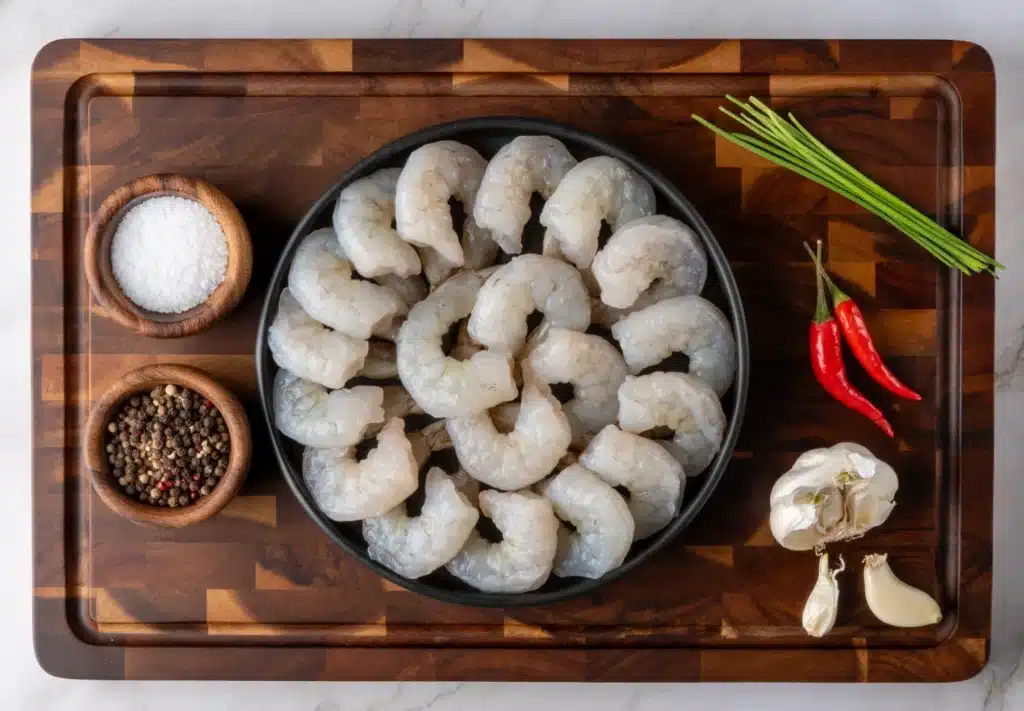
There are two kinds of shrimp worth stocking, and they do different jobs. Pacific White Shrimp are large, firm, and clean-flavoured. They take seasoning well and work in everything from tacos to pasta to stir-fries. They’re farmed in India under Ocean Wise recommended practices, which means no antibiotics and responsible feed sourcing. If you’re more interested in something already cooked and ready to go, wild-caught Atlantic Canadian coldwater shrimp are smaller, sweeter, and pre-cooked. Those are the ones you fold into a salad or a noodle bowl when you want a quick hit of seafood with zero stove time.
For a use case that shows what large shrimp can do, honey garlic shrimp is ready in under twenty minutes and tastes like more effort than it actually was.
Yellowfin tuna
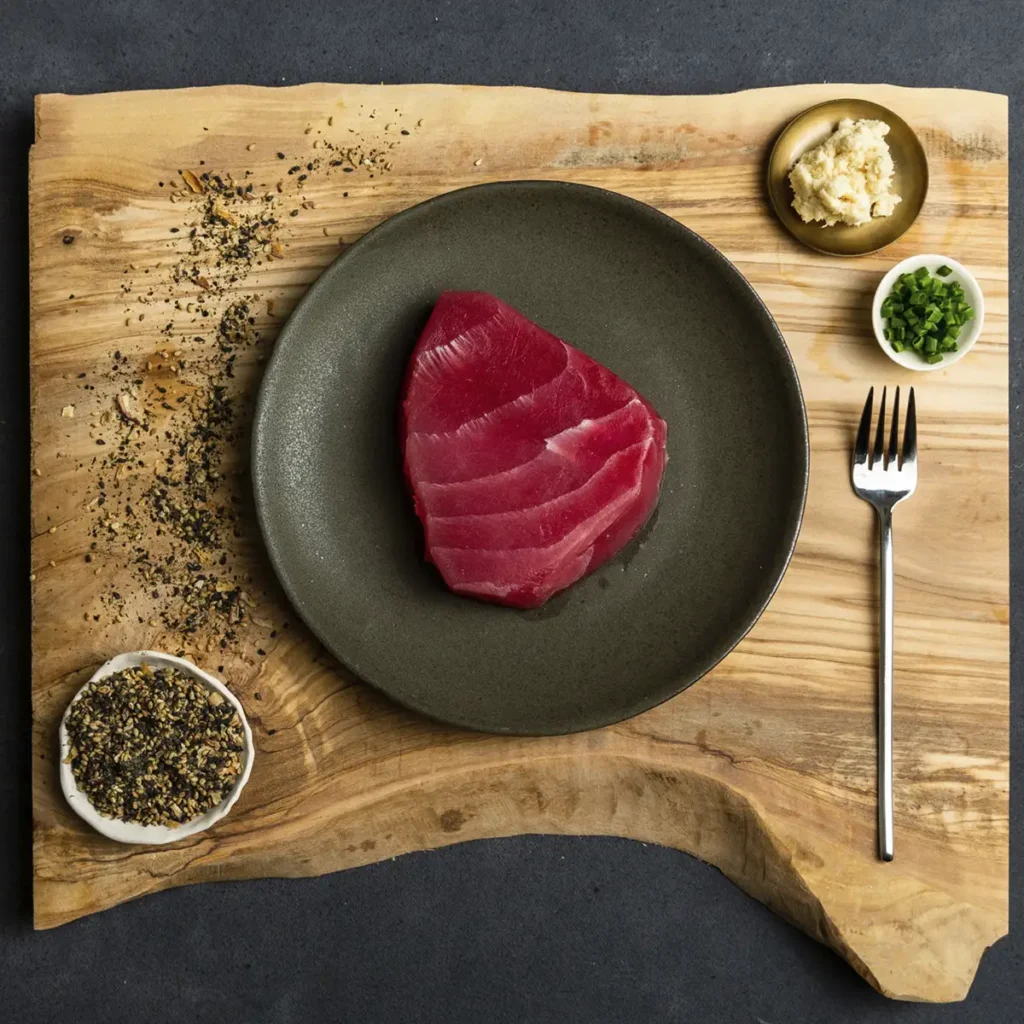
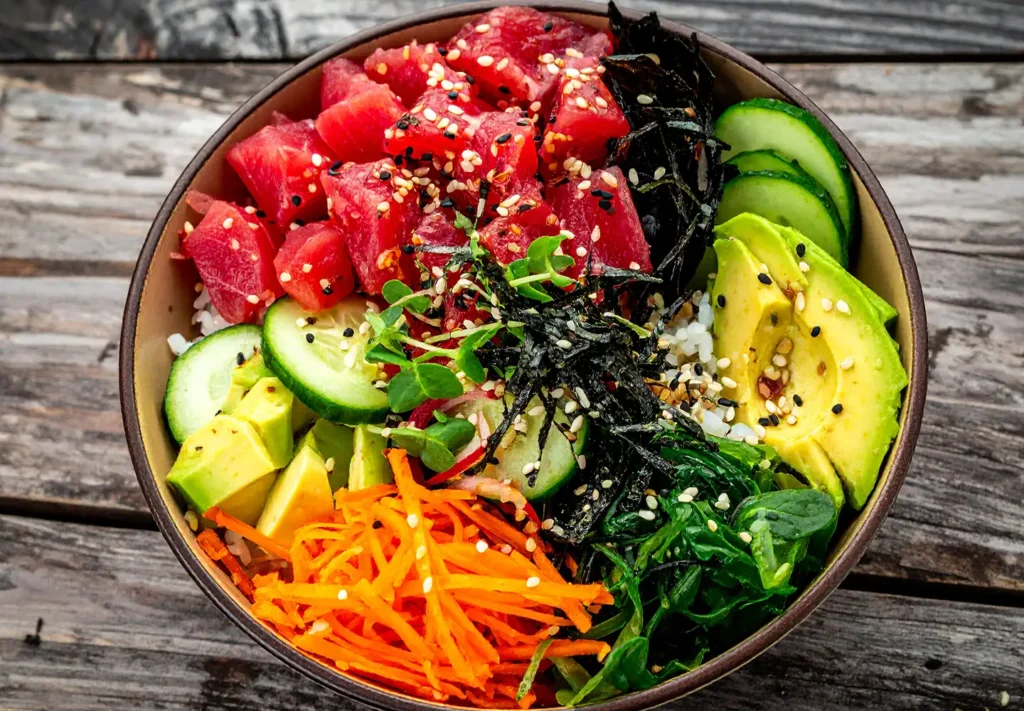
Tuna is the freezer item for the home cook who wants to do something a little more ambitious without actually working harder. Pre-cubed sushi-grade yellowfin, thawed properly, gives you a poke bowl that rivals anything you’d order out.
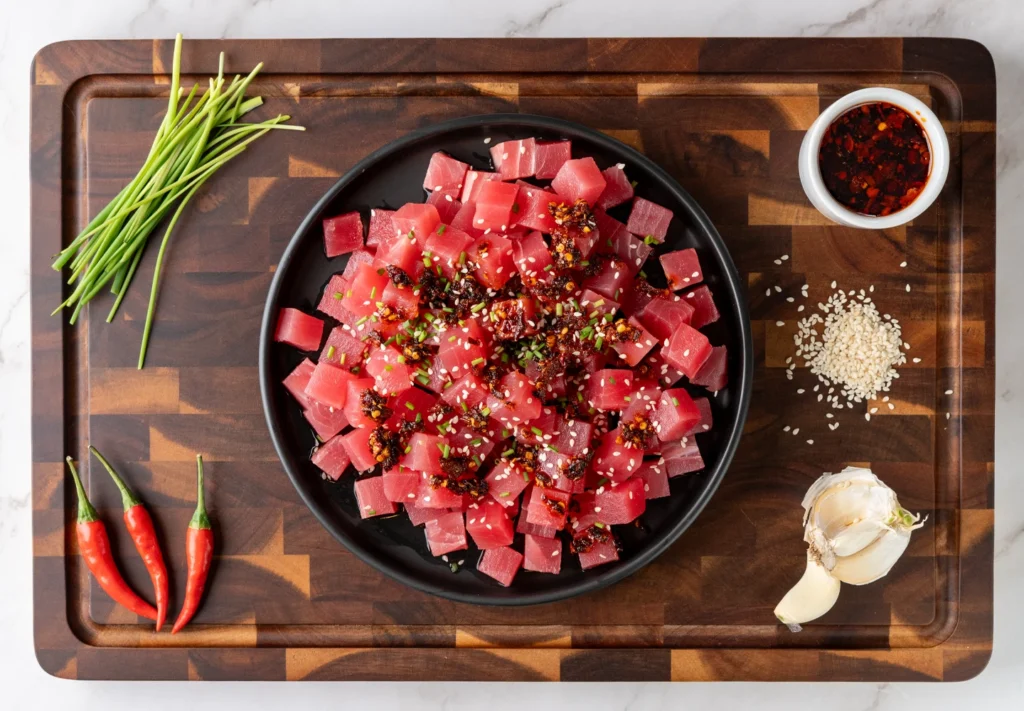
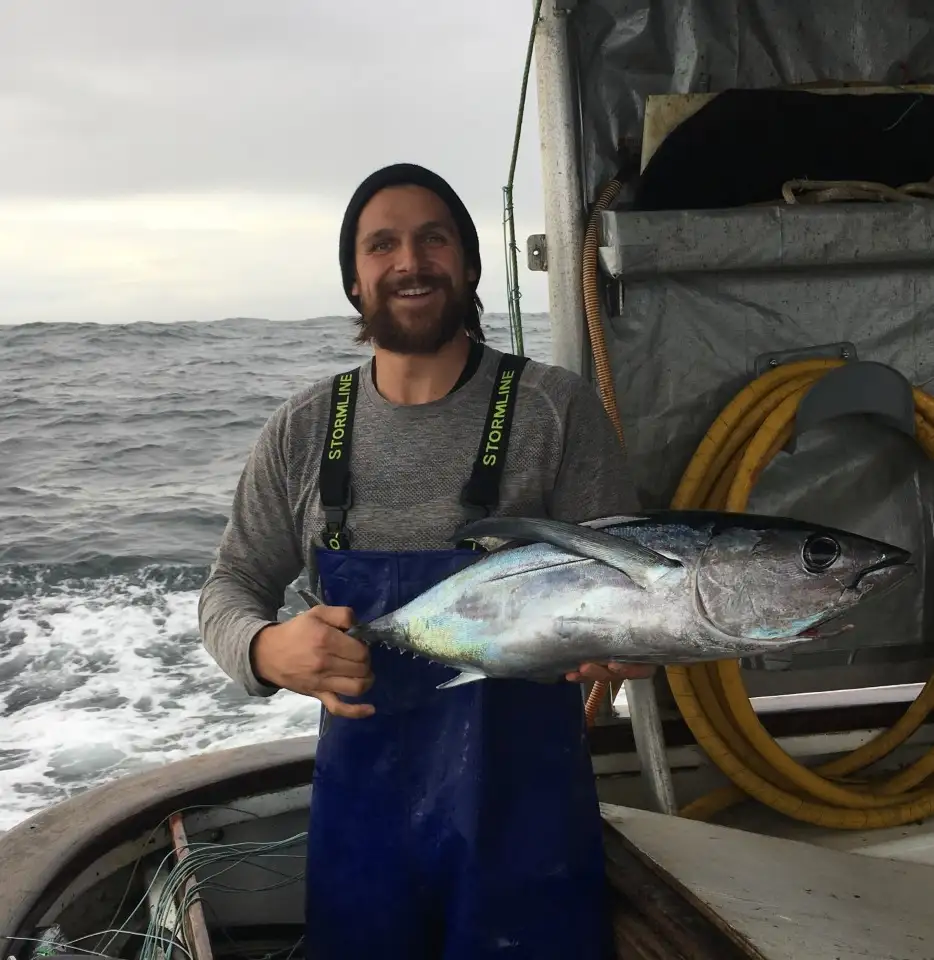
The tuna we carry is wild-caught from the Pacific off Vietnam, handled at sushi grade, and pre-cubed in the package. There’s no knife work and no guesswork. Thaw it, dress it, build the bowl. If you’ve never served raw fish at home, our guide to what sushi grade fish actually means is worth reading before you start.
The spicy tuna poke bowl recipe is a good place to begin. It’s also the kind of dinner that makes guests think you put real effort in.
How to get the most out of your frozen seafood
A well-stocked freezer is only half the equation. How you thaw and prepare what’s in it determines whether you actually eat well or just defrost things badly.
A few habits worth building:
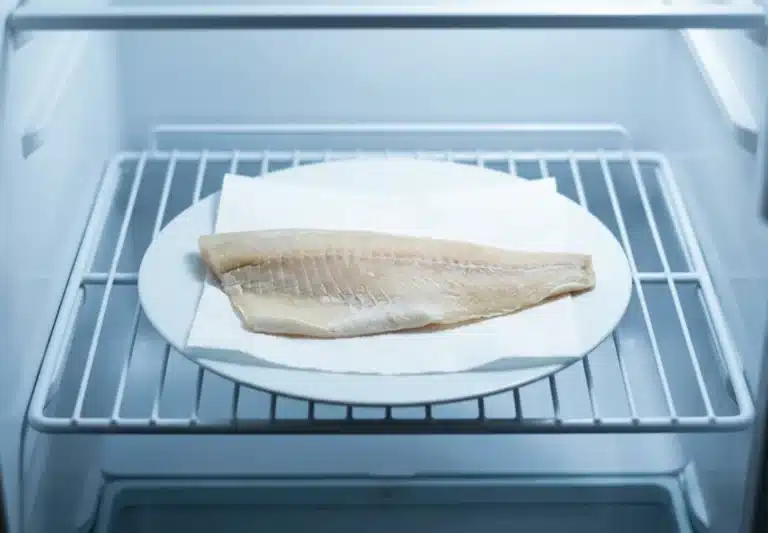
Thaw in the fridge overnight when you can. When you can’t, use a cold water bath with the fish sealed in its packaging. Never use hot water or the microwave. Our full guide to thawing frozen fish goes deeper if you want it.
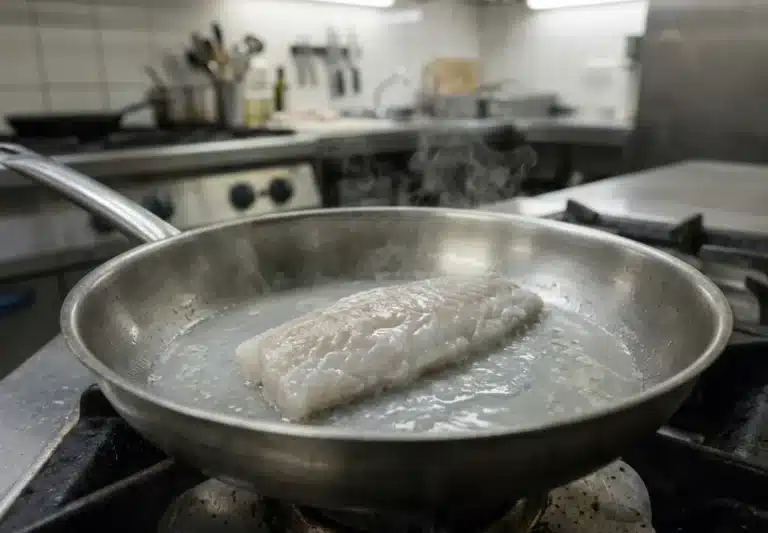
Pat the fish dry before it hits the pan. Wet fish steams instead of sears. The crust you want, the colour, the texture, none of it happens if there’s surface moisture. Take thirty seconds and use a paper towel. It makes a measurable difference. The full case for it is in our post on why patting fish dry matters.
Don’t overcrowd the pan. If you’re cooking for four and you’ve got four salmon portions, use two pans or cook in batches. Crowded fish steams, releases liquid, and never gets the texture it should.
These aren’t dramatic techniques. They’re the small things that separate good seafood at home from disappointing seafood at home.
Stock the freezer once, eat well for weeks
The best frozen seafood isn’t the most expensive, the most exotic, or the one with the most certifications stacked on the label. It’s the one that fits your cooking, holds its quality, and gives you a real answer to the question of what’s for dinner.
Salmon, haddock, shrimp, tuna. Four products. Dozens of meals. A freezer that actually earns its space.
Everything we’ve recommended here is in our shop, frozen at peak quality and shipped directly to your door. If you’d rather start with one box that covers the range, the Afishionado Box is built exactly for this. Salmon, haddock in two formats, scallops, and fish cakes in a single delivery.
Stock it once. Cook well for weeks. That’s the whole point.