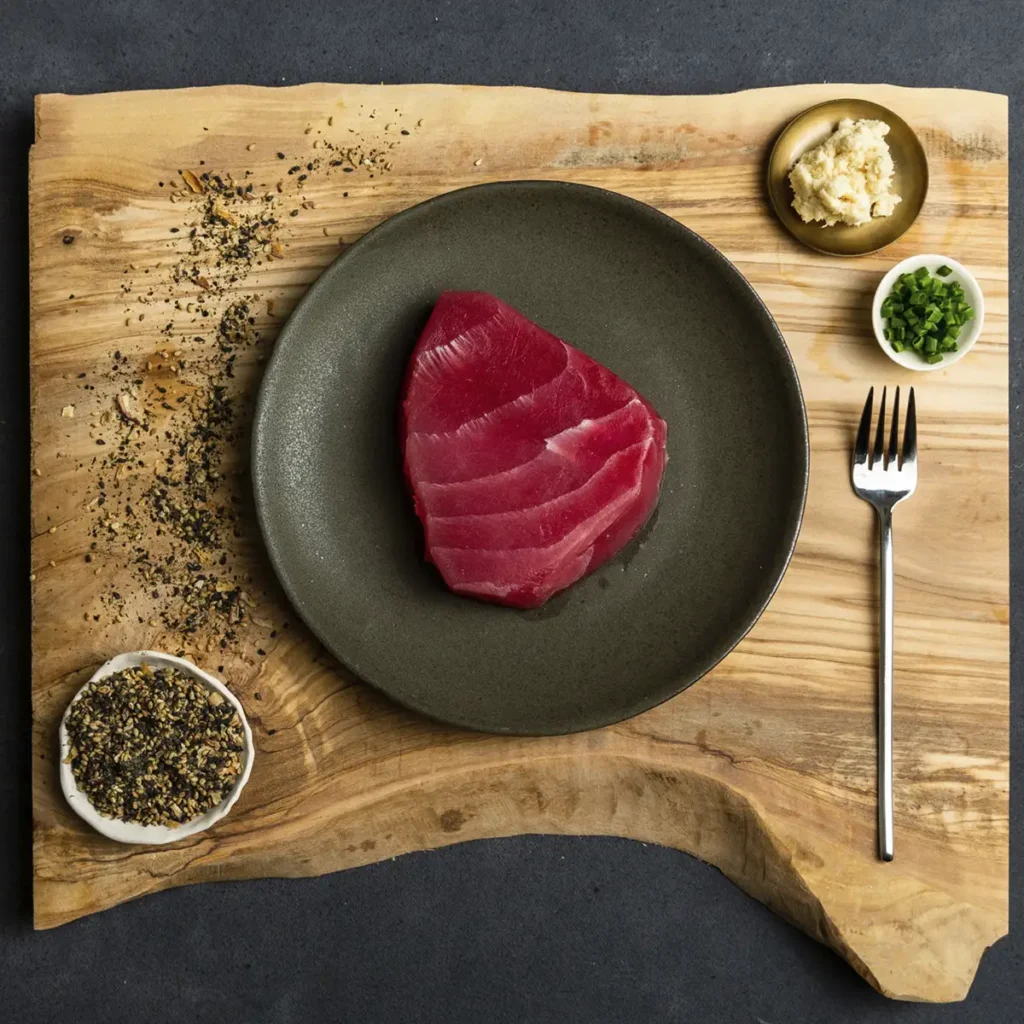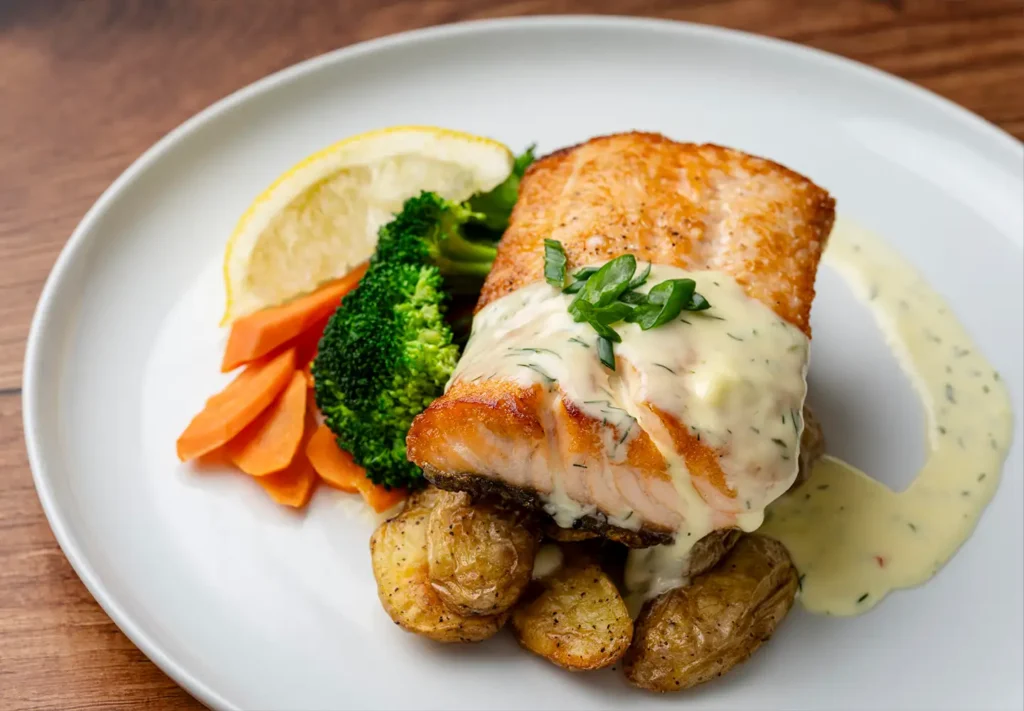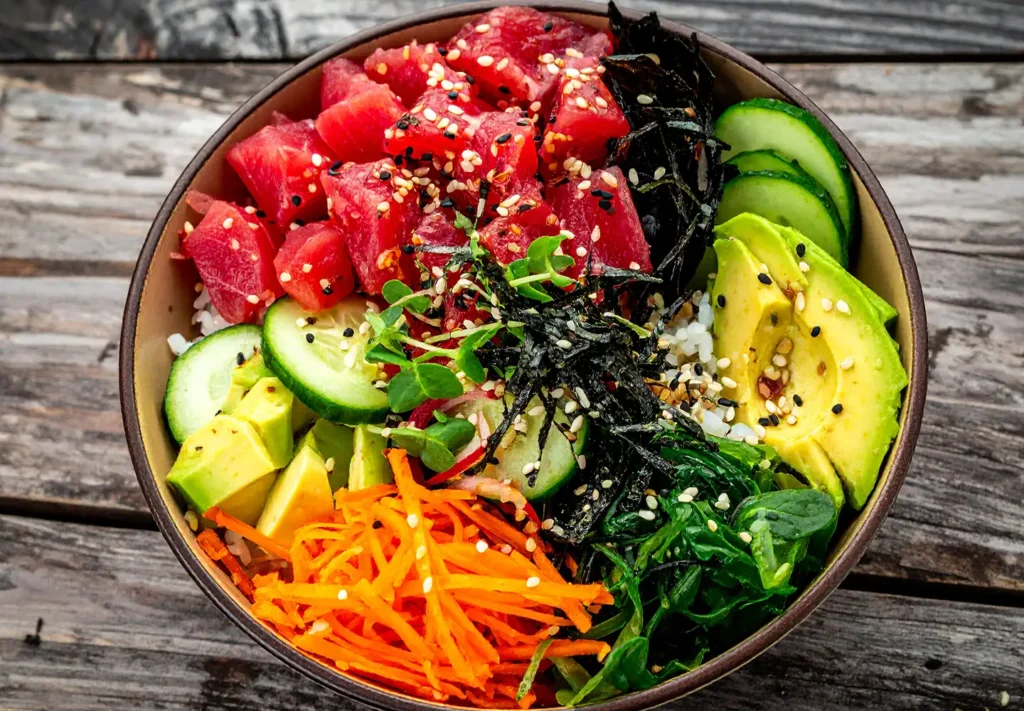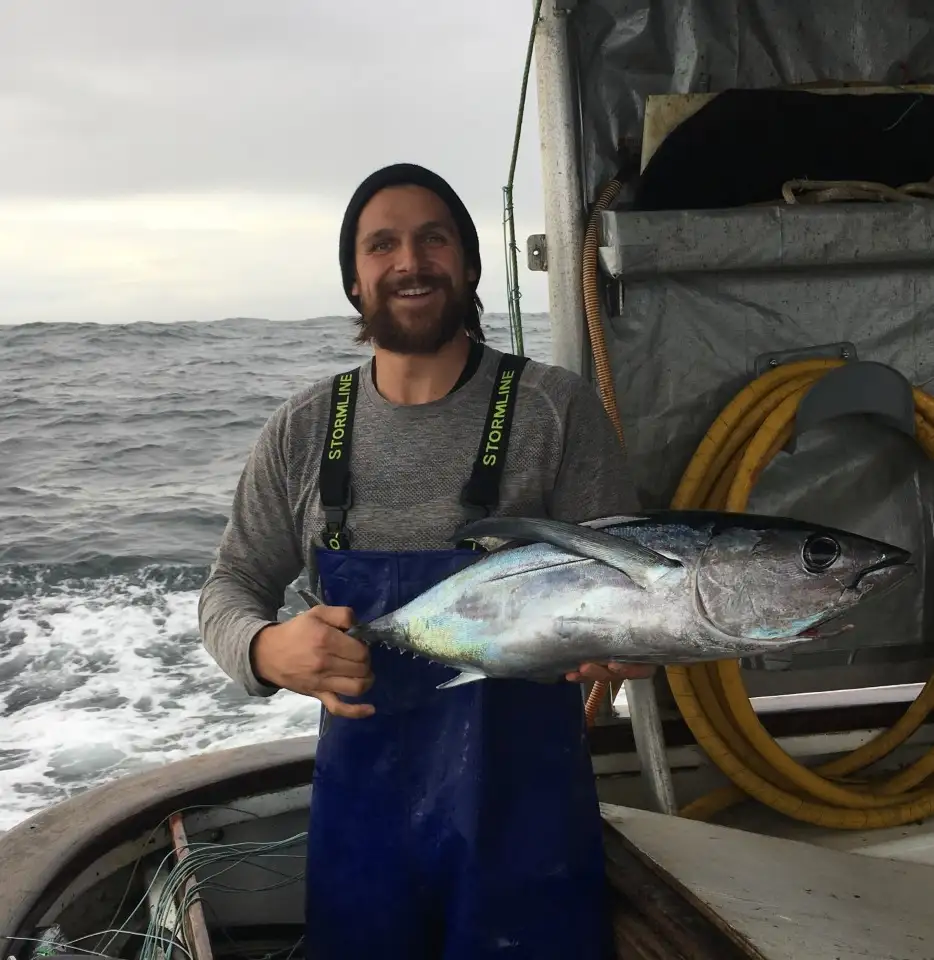
If you want to know how to cook haddock well, the first thing to understand is that haddock is not a consolation prize. It is not the fish you cook when you can’t get salmon. It is mild but not bland, firm but not rubbery, and it absorbs flavour in ways that salmon simply can’t. Cooked right, it’s the most versatile fish in your freezer. This guide covers three methods that show off its range.
Why haddock gets overlooked
Salmon dominates home cooking. The reasons are mostly cultural. It photographs well, it tastes rich, and decades of health marketing have positioned it as the seafood that belongs on every plate. None of that is wrong. But it crowds out a fish that, by almost any practical measure, has more going for it at the dinner table.
Haddock is a lean white fish with a fine, delicate flake and a flavour that’s clean and lightly sweet. It takes a crust better than salmon. It poaches more gently. It plays beautifully with bold sauces, acid, and aromatics that would compete against salmon’s fat content. And from a nutritional standpoint, a standard 193g fillet delivers around 31 grams of protein for roughly 143 calories, making it one of the most efficient protein sources in the seafood category.
Our Haddock 101 guide covers sourcing, species characteristics, and what to look for when buying. If you’re new to haddock, start there. If you’re here to cook, read on.
The haddock in our market comes from Iceland’s North Atlantic waters, where the Marine Stewardship Council has certified the Iceland Sustainable Fisheries haddock fishery under its global standard for sustainable, well-managed fisheries. Cold, clean water. Tight management. Genuinely good fish.
The three methods worth knowing
How you cook haddock depends entirely on what you want from it. These three approaches cover the full range.
| Method | Best product | Result | Time |
|---|---|---|---|
| Crispy coated | Breaded Haddock | Golden, crunchy exterior, moist flake | 18–22 min |
| Pan-seared | Haddock Fillets | Caramelized crust, tender flake | 8–10 min |
| Poached / en papillote | Haddock Fillets | Delicate, moist, flavour-forward | 12–15 min |
Method 1: The crispy-coated approach
This is the cooking method that makes haddock undeniable. A well-made crust on haddock is one of the better things in everyday cooking: a satisfying snap giving way to white flake that stays moist because the coating protected it from direct heat.
Our Breaded Haddock is the fastest path here. It’s Icelandic haddock in a light breadcrumb coat, built for baking or air frying. No prep needed. But if you’re starting from Haddock Fillets, a simple from-scratch crust follows the same logic.
What makes it work:
Pat the fillets completely dry before you do anything else. This is not optional. Moisture on the surface turns your crust steam-cooked and soft. The science here is the same whether it’s haddock or anything else — water on the surface means no Maillard reaction, which means no crust. Our guide on patting fish dry before cooking goes into detail on why.
For breaded fillets from scratch:
- Season flour with salt, pepper, and smoked paprika
- Dip fillet in beaten egg
- Press into fine breadcrumbs (panko gives the best crunch)
- Bake at 425°F (220°C) for 14–16 minutes or air fry at 400°F (200°C) for 10–12 minutes
For our Breaded Haddock, follow the package instructions. Air frying at 400°F (200°C) for 12–14 minutes gives the crispiest result. Baking on a wire rack over a sheet pan is the oven equivalent — the rack keeps the bottom from going soggy.
The finished fish should be golden all over with an internal temperature of 145°F (63°C). The flake will be clean and white, not translucent.
Serve with our dirty-style tartar sauce and something acidic on the side. Pickled cucumber, a sharp coleslaw, a wedge of lemon. The fat in the crust needs something to cut it.

Method 2: The pan-sear
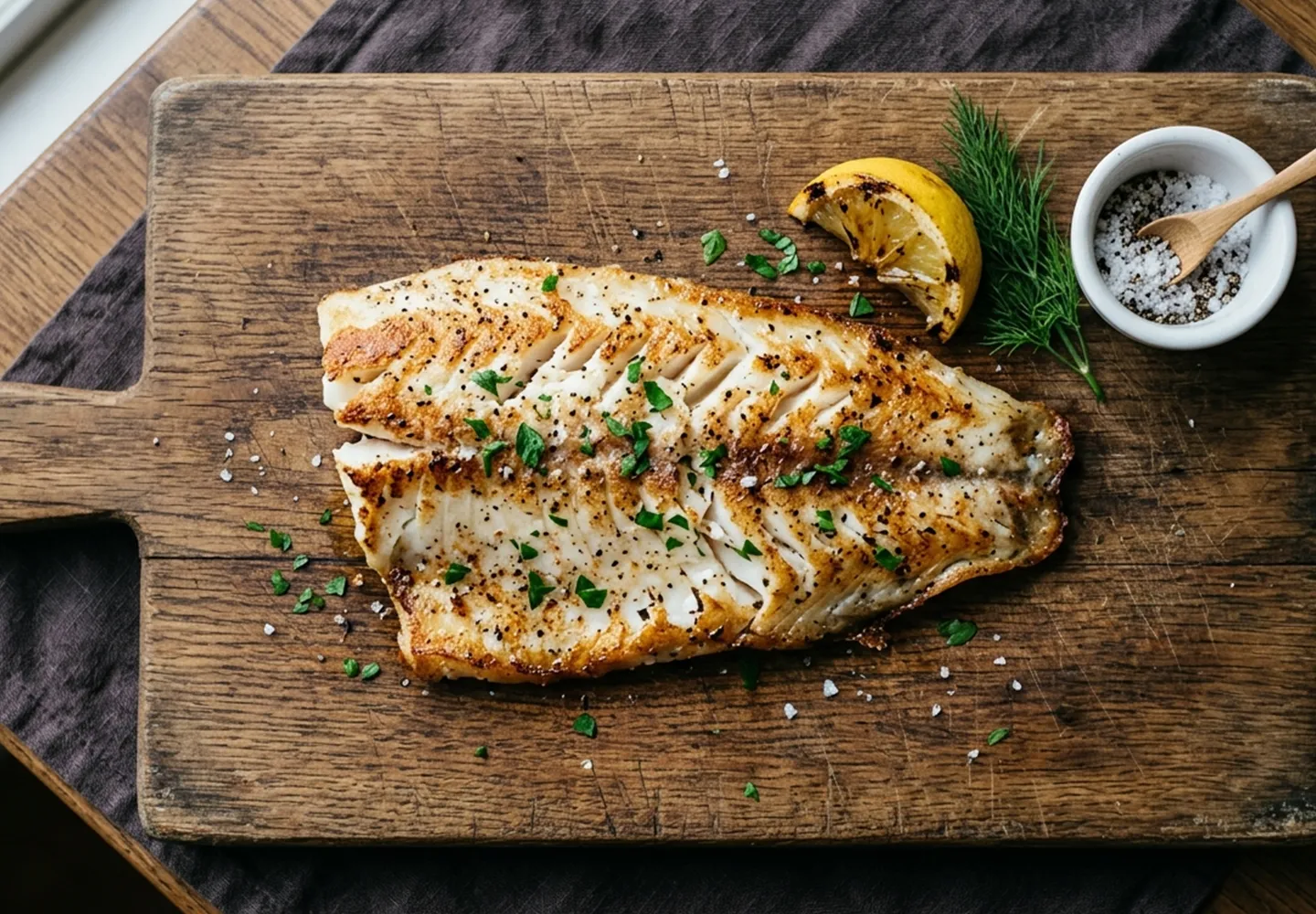
Pan-searing haddock is quicker than it sounds and more satisfying than you’d expect. The goal is a caramelized crust on the presentation side, a just-cooked flake underneath, and nothing else happening.
Haddock fillets are thinner and more delicate than salmon, which means two things. First, they cook faster. Second, the margin between perfectly done and overdone is narrower. Medium-high heat and full attention are non-negotiable.
Our Haddock Fillets work well here. Thaw completely, pat dry, and season only with salt. The rest comes from the pan.
The method:
- Get a cast iron or stainless pan hot over medium-high heat. Add a neutral oil with a high smoke point. You want the pan shimmering before the fish goes in.
- Lay the fillet skin-side down (or presentation-side down if skinless). Do not move it. Press gently with a spatula for the first 15 seconds to prevent curling.
- Cook 3–4 minutes on the first side. The fillet will turn opaque from the bottom up. When the opacity reaches two-thirds of the way up the side, flip.
- Reduce heat slightly. Cook 1–2 more minutes. Remove from the pan while the center still looks just underdone. Residual heat finishes it.
If you want crispy fish skin, keep the skin on and cook skin-side down for most of the time. The skin renders and crisps against the hot pan. Flip only for the final 60 seconds.
Flavour directions from here:
- A quick pan sauce: deglaze with white wine or lemon juice, swirl in cold butter, finish with capers and parsley
- Brown butter: swirl butter in the pan off heat until it smells nutty, pour over the fish
- Simple: lemon, olive oil, flake salt
Our broiled haddock with brown butter breadcrumbs recipe is the oven version of this same flavour logic. Worth bookmarking.
Method 3: Poached or en papillote
This is the method that separates haddock from salmon most clearly. Salmon is a rich, fatty fish, and gentle poaching can feel flat against all that fat. Haddock, being lean, drinks up the liquid it cooks in. Every aromatic in the poaching broth becomes part of the fish. It’s a completely different relationship between protein and flavour.
Poaching:
Bring a wide pan of liquid to a bare simmer. Not a boil. Simmering means occasional small bubbles at the surface, not rolling activity. The liquid should be flavoured: fish stock, white wine, water with a bay leaf, sliced shallot, a few peppercorns, lemon peel.
Lower the fillet in gently. It will cook in 6–8 minutes depending on thickness. It’s done when the flesh turns fully opaque and parts cleanly under a fork. Remove carefully. The flake at this stage is more delicate than any other method.
Serve in the poaching liquid as a light broth, or lift it onto roasted vegetables, over rice, or beside a simple green salad. The fish holds its shape better than you’d expect.
En papillote:
Fold a piece of parchment paper in half. Place the fillet on one side with aromatics: a few thin lemon slices, a knob of butter, fresh thyme, capers, a splash of white wine. Fold and crimp the parchment into a sealed parcel.
Bake at 400°F (200°C) for 12–14 minutes. The packet steams the fish in its own moisture and the flavours you’ve added. When you cut it open at the table, the steam carries everything up at once. It’s a good effect.
Both methods work beautifully with haddock in a seafood chowder context, too. Our Seafood Medley and Haddock Fillets are natural choices for a Maritime-style chowder.
The honest case for cooking haddock more often
Haddock is not a compromise. It’s a different kind of fish than salmon, and a better choice in several situations. When you want something that takes a crust, haddock wins. When you want something that absorbs aromatics cleanly, haddock wins. When you want a high-protein, low-fat weeknight option that doesn’t taste like diet food, haddock wins.
It also holds up to meal prep better than most people expect. For more on that angle, see our guide on best fish for meal prep.
If you’ve been defaulting to salmon every time, give haddock a week. The gap between the two is smaller than the market would have you believe, and on the right night, with the right method, haddock is the better fish. Browse our Haddock Fillets and Breaded Haddock in the shop, or see the full market for everything we carry.