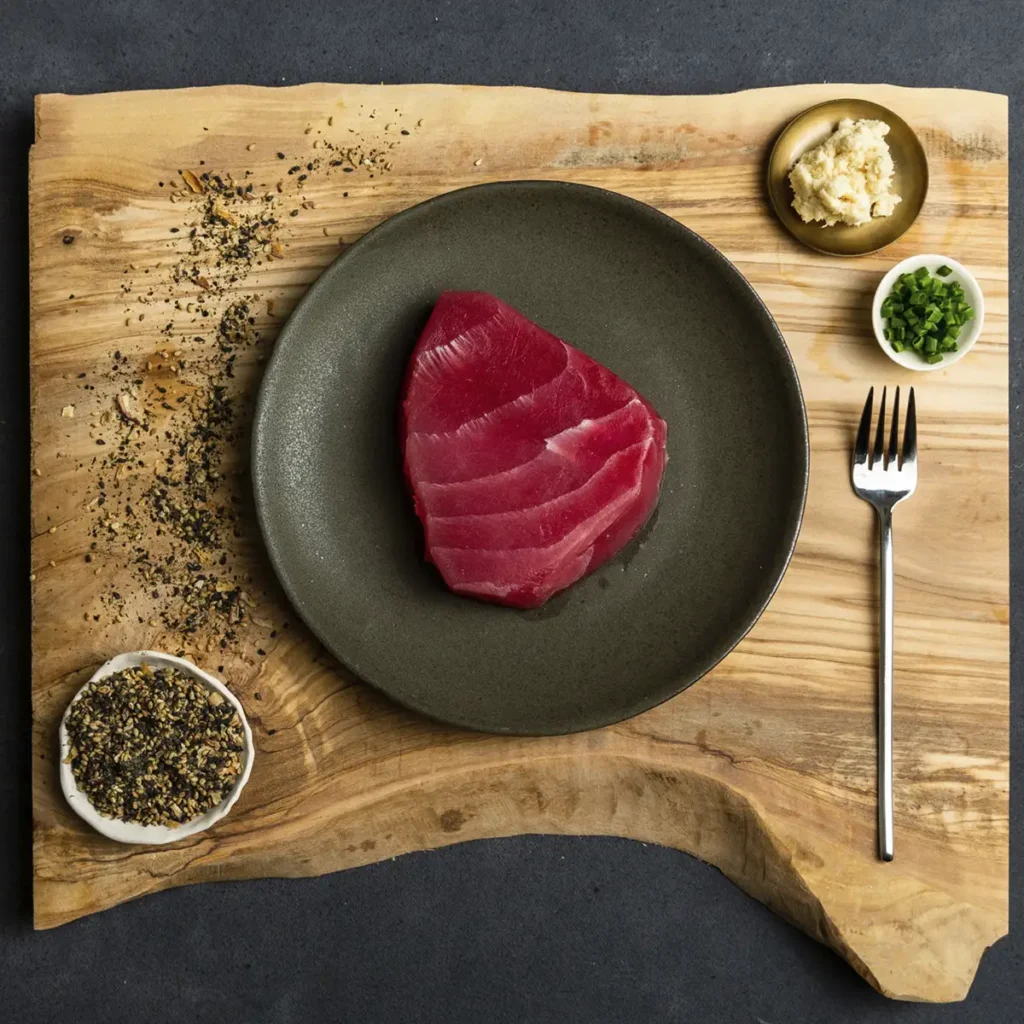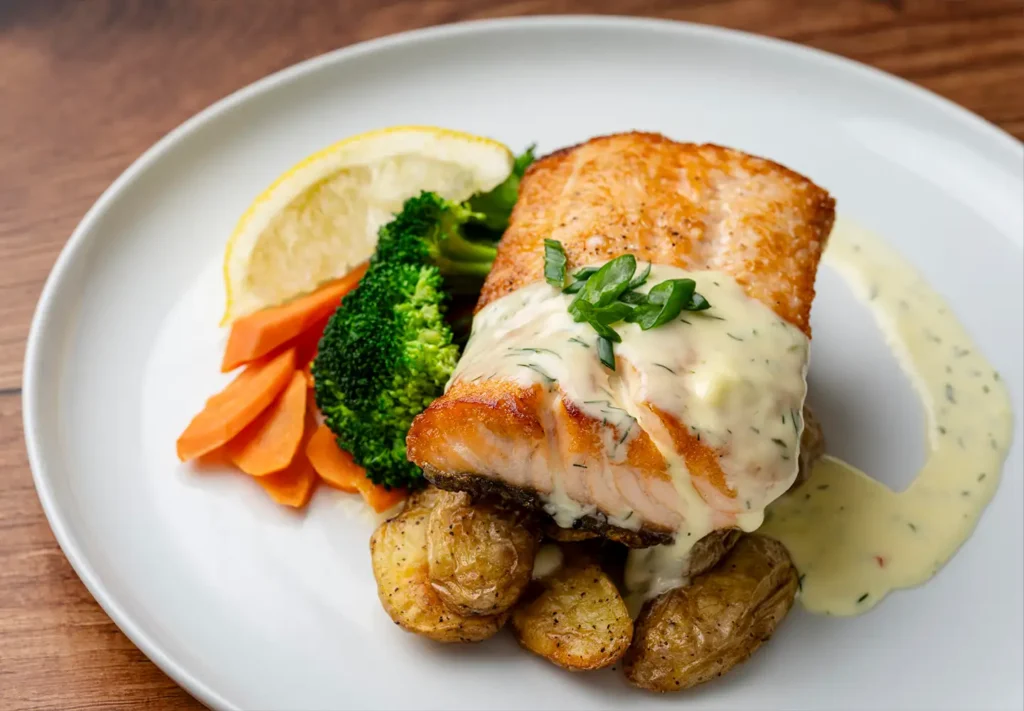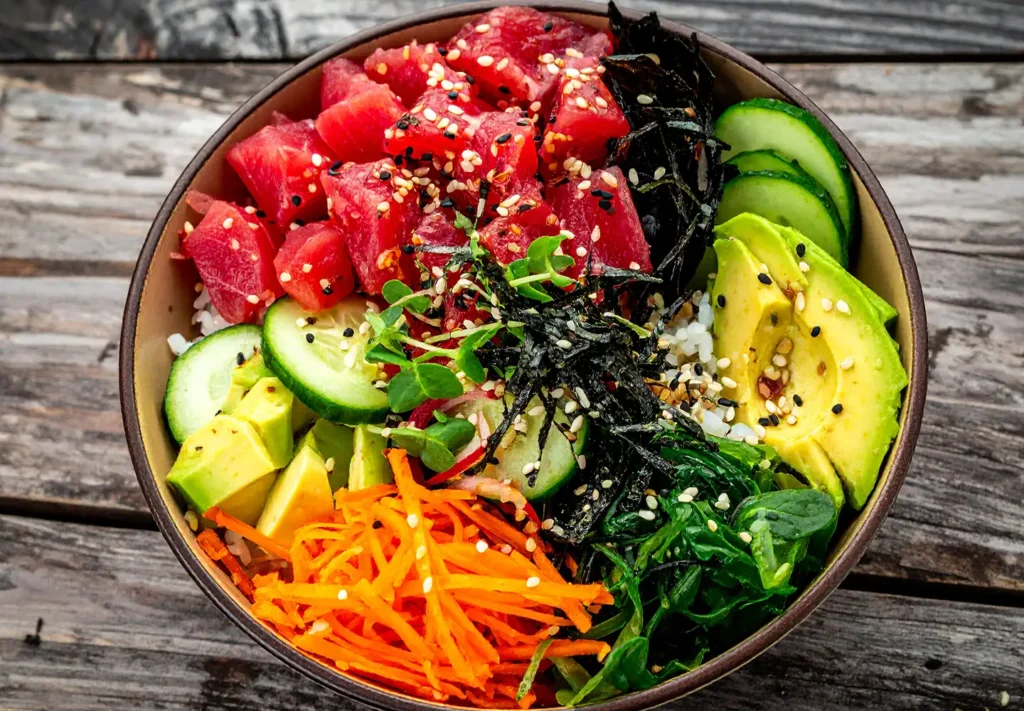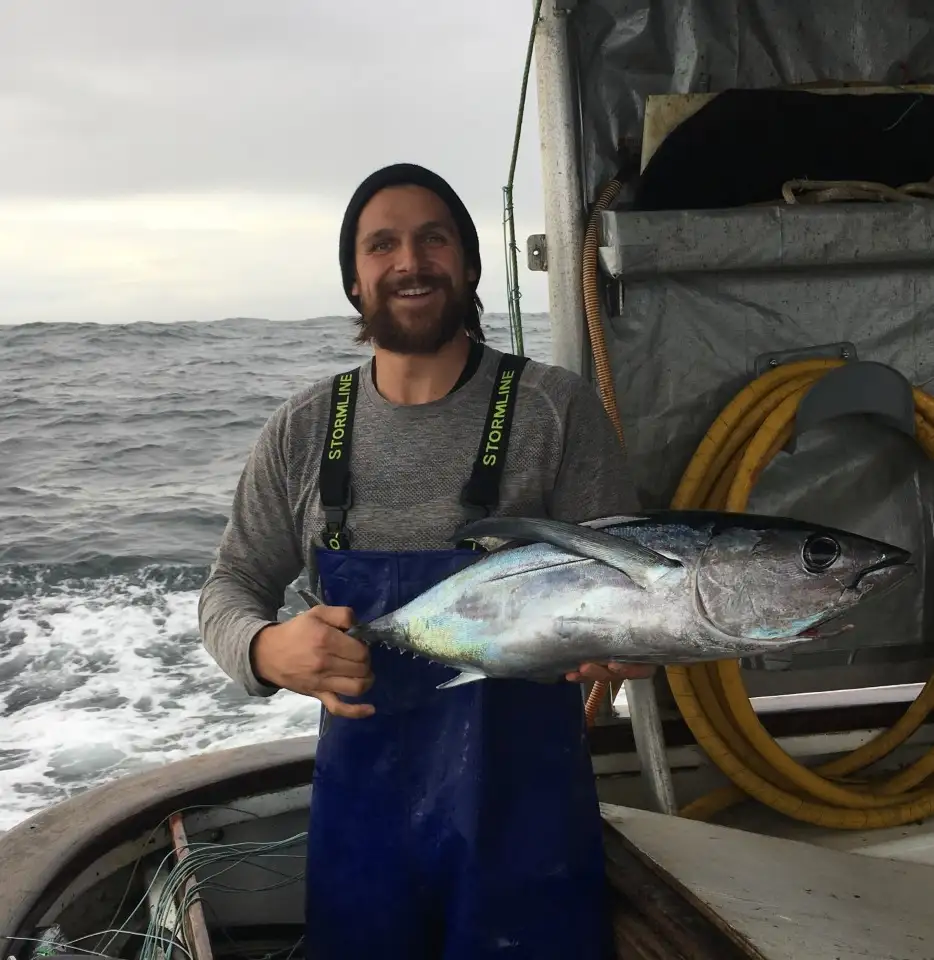
When a piece of fish falls apart in the pan or releases a pool of liquid before you even touch it, most people blame a cooking mistake. Usually they’re wrong. Frozen fish quality is determined long before the fish reaches your kitchen. The damage started during freezing, or during storage, or both. And it’s one of the most common misconceptions about frozen seafood: that the freezing process itself is the problem.
In reality, freezing is one of the most effective ways to preserve fish. The problem is not freezing. The problem is how freezing is done.
Frozen fish quality depends almost entirely on two things: how quickly the fish froze, and how stable the temperature stayed during storage. Get those two variables right and frozen fish holds its quality better than fresh fish that has spent days in transit. Get them wrong and you’ll end up with the mushy, watery disappointment most people associate with frozen seafood.
Why frozen fish quality matters
Fish starts to degrade the moment it comes out of the water. Enzymes begin breaking down muscle structure. Flavour compounds change. Texture softens. Freezing doesn’t stop this process. It slows it to nearly nothing, but only if it’s done right.
The word “frozen” on a label tells you almost nothing about what actually happened to the fish. It could have been frozen in two hours on the boat. It could have taken three days in a poorly designed freezer. Both are technically frozen. Only one will cook the way you expect.
In Canada, some seafood is labelled as “previously frozen,” which means it was frozen earlier in the supply chain and thawed before sale. This isn’t bad. In fact, it’s often done to preserve quality during long-distance transport. What matters is not the label. What matters is how well that freezing and thawing was managed.
What happens to fish as it freezes
Fish is roughly 60 to 80 percent water, depending on the species. Freezing turns most of that water into ice. But freezing doesn’t happen all at once. It happens in stages, and the most critical stage is the one most people don’t know about.
According to the Food and Agriculture Organization, the temperature range from -1°C to -2°C is where ice begins forming rapidly and the most significant structural changes occur. This is called the critical freezing zone. The longer fish stays in this zone, the more damage happens.
Here’s why: as ice forms, the water that remains unfrozen becomes increasingly concentrated with salts and other compounds naturally present in fish flesh. This changes the freezing point of the remaining water. Fish muscle doesn’t freeze at a single temperature the way pure water does. It freezes over a range of temperatures. The longer that range stretches out, the longer the protein is exposed to conditions that cause denaturation.
Think of it this way. Fresh protein behaves like a sponge that holds water perfectly. Protein that has been damaged during freezing behaves like a sponge full of holes. The same weight of water should fit in both sponges. In the damaged one, water leaks right out.
This protein denaturation is the real culprit behind poor frozen fish quality, not ice crystal size. For decades, scientists thought large ice crystals were the problem. We now know the crystals are a symptom, not the cause. The real issue is what happens to the protein molecules themselves during the freezing process.
Slow freezing vs. fast freezing
The speed of freezing determines how long fish stays in that critical zone.
Slow freezing is what happens in a home freezer or in poorly designed commercial freezers. The fish takes hours to pass through -1°C to -2°C. During that time, more protein denaturation occurs. The result is greater moisture loss, softer texture, and worse cooking performance.
Fast freezing — including methods like blast freezing and IQF (individually quick frozen) — moves fish through the critical zone in under two hours. Less time in the danger zone means less protein damage. Structure stays more intact. Moisture is retained better. When you cook it, the flesh holds together and doesn’t weep liquid into the pan.
IQF has an additional advantage: each piece is frozen separately, so you can pull out exactly what you need without thawing the entire package. That flexibility alone makes it worth seeking out.
Fast freezing does not improve fish. It protects what is already there. If the fish was poor quality when it went into the freezer, fast freezing won’t fix that. But if it was good quality, fast freezing locks that in.
Why temperature consistency matters during storage
Freezing is only half the equation. What happens after freezing is just as important.
Even perfectly frozen fish can lose quality if temperatures fluctuate during storage. Each time the freezer warms up slightly, a tiny amount of thawing occurs. Each time it refreezes, more damage happens. Cumulative exposure to temperature swings is one of the biggest killers of frozen fish quality.
This is why a stable freezer at -18°C is better than an inconsistent one at -25°C. Consistency beats absolute temperature. A freezer that cycles between -15°C and -20°C is worse than one that holds steady at -18°C, even though the second one is technically warmer.
In commercial settings, this is why closed-door freezers are better than open-top display cases. The constant opening and closing of doors causes temperature swings that slowly degrade product. At home, the same principle applies: minimize opening your freezer, and keep it at a stable, cold temperature.
How to spot quality frozen seafood at purchase
Before you even get to the freezing and storage part of the equation, you need to know what to look for when buying.
Good frozen seafood shows these signs:
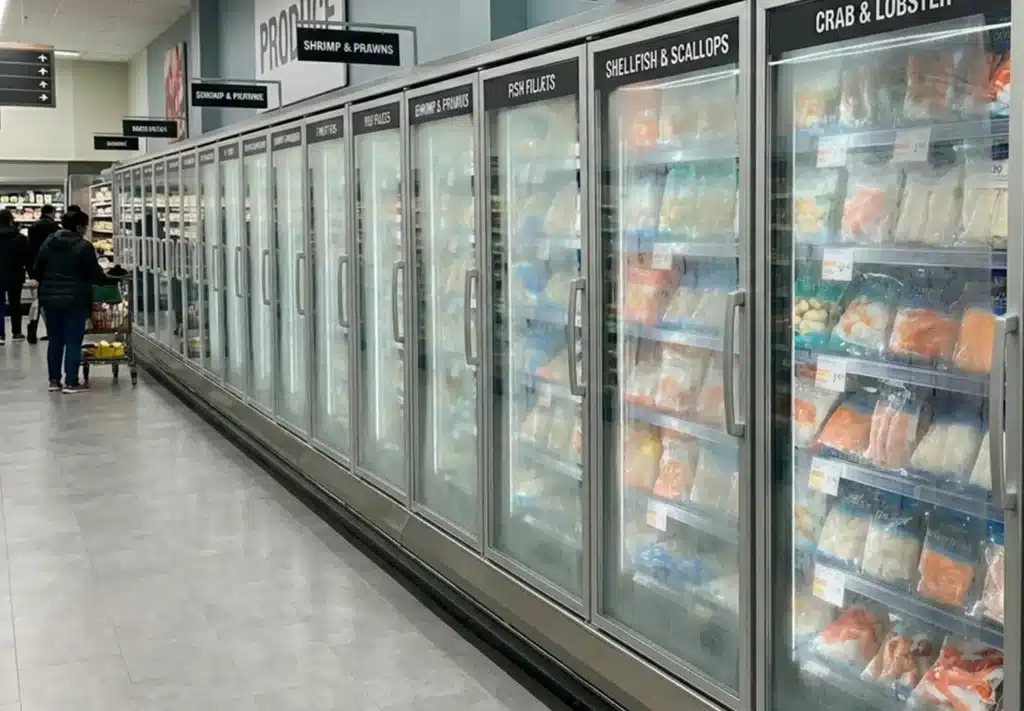
The packaging is tight and intact with no tears or punctures. Minimal frost on the outside of the bag. No large ice crystals visible inside, which usually indicate temperature fluctuation. No white or grey patches, which indicate freezer burn from dehydration. The fish feels firm when squeezed gently through the package. The smell is mild and clean, never sour or ammonia-like.
Be cautious of packages with heavy frost buildup inside, products stuck together in a solid block, or signs that the package has thawed and refrozen.
The most reliable visual indicator of poor handling is not ice crystals alone. It’s a combination: crystals plus discoloration plus frost buildup. That combination tells you the fish experienced temperature abuse.
Once you know what to look for, browse our shop to see frozen seafood that meets these standards. If you want guidance on what to actually stock in your freezer, our article on the best frozen seafood to always keep in your freezer walks you through five products worth keeping on hand and why each one earns its freezer space.
What happens during thawing
Freezing is just the beginning. Thawing is where most home cooks accidentally ruin perfectly good fish.
When frozen fish thaws, ice melts back into water. That water needs to be reabsorbed by the muscle structure. If the proteins are intact and undamaged, much of that moisture stays within the fish. If the proteins have already been damaged during freezing or storage, they cannot hold that water effectively. It leaks out as drip loss.
This is why thawing method matters. Slow thawing in the refrigerator gives the muscle time to reabsorb moisture. Fast thawing with heat can cause uneven thawing that damages texture before the fish even hits the pan.
If you’ve bought good frozen fish and want to keep it that way through to cooking, our guide on how to thaw frozen fish without ruining it covers the methods that actually work. Once thawed, browse our recipe collection for tested techniques that showcase frozen seafood at its best.
The protein denaturation story
The biggest factor determining frozen fish quality is not what most people think it is.
For years, the standard explanation was that large ice crystals formed during slow freezing, pierced cell walls, and caused massive moisture loss on thawing. That’s partially true, but it’s not the main story.
The real story is protein denaturation. As fish freezes, the concentration of salts and other compounds in unfrozen water increases. This creates conditions where fish proteins denature — they change from their original state in ways that are irreversible. Denaturated proteins cannot hold water the way intact proteins do.
This denaturation depends on temperature and the time spent at each temperature. The Food and Agriculture Organization research shows that maximum denaturation activity happens in the -1 to -2°C zone. The longer fish stays there, the more denaturation occurs. Fast freezing minimizes time in that zone. Slow freezing maximizes it.
Once proteins are denaturated, no amount of careful handling afterward can reverse it. This is why the freezing method matters so much more than most people realise.
Previously frozen fish: What it actually means
In Canada, any fish that has been frozen and thawed before sale must be labelled as “previously frozen.” This appears on the principal display panel, according to the Canadian Food Inspection Agency.
This label confuses people. They assume previously frozen fish is inferior. Sometimes it is. Often it’s not.
Previously frozen seafood was typically frozen immediately after harvest, which locked in quality at that moment. It was then thawed for transport and sale. If both the freezing and thawing were done properly, the fish can be excellent. If either step was mishandled, quality suffers.
The label tells you history. It doesn’t tell you quality. A previously frozen fish that was frozen fast, stored cold, and thawed slowly can be better than fresh fish that has spent four days in transit at slightly elevated temperatures.
What matters is not the label. What matters is whether you trust the source and the handling practices behind it.
Why fish falls apart in the pan
When fish breaks apart during cooking, the chain of poor decisions usually started before you ever bought it.
Common causes include:
Lower initial quality at the time of freezing. Slow freezing that allowed excessive protein denaturation. Temperature fluctuations during storage. Multiple freeze-thaw cycles, either during storage or transport.
At the point when you’re cooking it, the protein structure can no longer hold the muscle together. Water is released. The flesh separates easily.
This is not a cooking mistake. It’s a quality issue that originated in the freezer. If you’re having this problem consistently, the issue isn’t your technique. It’s the product you’re buying.
This is another reason why understanding what to look for in frozen seafood makes such a difference. You can solve this problem before you get to the pan.
How to store frozen fish at home
Once you have quality frozen fish, keeping it quality is straightforward.
Keep your freezer at a stable, cold temperature. -18°C is the standard minimum. -25°C or lower is better for longer storage. Avoid frequent opening. Each time you open the door, warm air enters and temperature swings occur. Store products in airtight packaging. Vacuum-sealed packaging is best. Air exposure leads to oxidation and freezer burn.
Chest freezers maintain more stable temperatures than fridge freezers. If you eat frozen seafood regularly, a dedicated chest freezer is worth considering.
The goal is consistency. A freezer that holds steady at -18°C will preserve fish far better than one that swings between -15°C and -22°C, even though the second one gets colder.
Can you salvage poorly frozen fish
You cannot reverse protein damage. Denatured proteins stay denatured. But you can cook in ways that compensate for moisture loss.
Use gentle cooking methods like poaching or steaming instead of high-heat searing. Add moisture through sauces or broths. Cook carefully to avoid overcooking, which compounds the moisture loss problem.
These techniques help hide the defects but don’t fix them. Better to buy better fish in the first place.
Bringing it together
Frozen fish quality is determined by three factors, in order of importance:
1. Freezing speed. Fast freezing through the critical zone minimizes protein denaturation. Slow freezing maximizes it.
2. Storage consistency. Stable temperature during frozen storage prevents moisture loss and stops additional damage. Temperature swings cause cumulative harm.
3. Initial quality. You cannot freeze your way out of poor quality. Freezing locks in whatever condition the fish was in at the time it went into the freezer.
Get all three right and frozen seafood performs consistently. It holds together. It stays moist. It cooks the way you expect. Get even one wrong and you’ll end up with the mushy, watery disappointment most people blame on “frozen fish” when they should be blaming on poor handling.
This is why sourcing matters. You should not have to guess whether your fish will hold together or fall apart. When you choose seafood that has been frozen properly from the start, handled with care through storage, and sourced from producers you trust, cooking becomes predictable and reliable.
At Afishionado, proper freezing and handling are not options. They’re the baseline. Every product we sell has been frozen at source, at speed, and stored at stable temperatures. When you cook it, it performs.
If you’re ready to buy seafood you can trust, visit our shop. Our article on the best frozen seafood to keep on hand walks you through what to stock and why. Once you have good fish, our recipe collection shows you how to cook it. And if you want to go deeper on specific techniques, our guides on how to thaw frozen fish and why fish sticks to the pan cover the execution side of the equation.