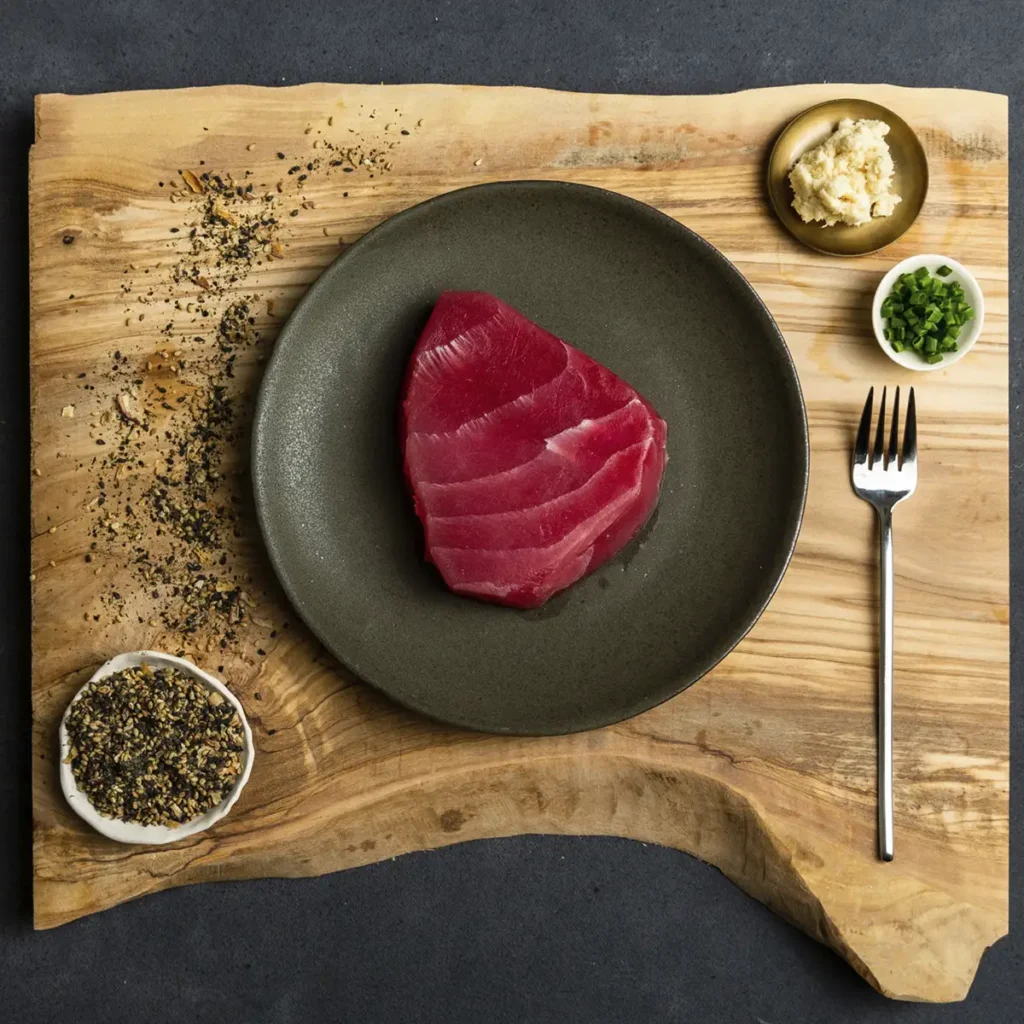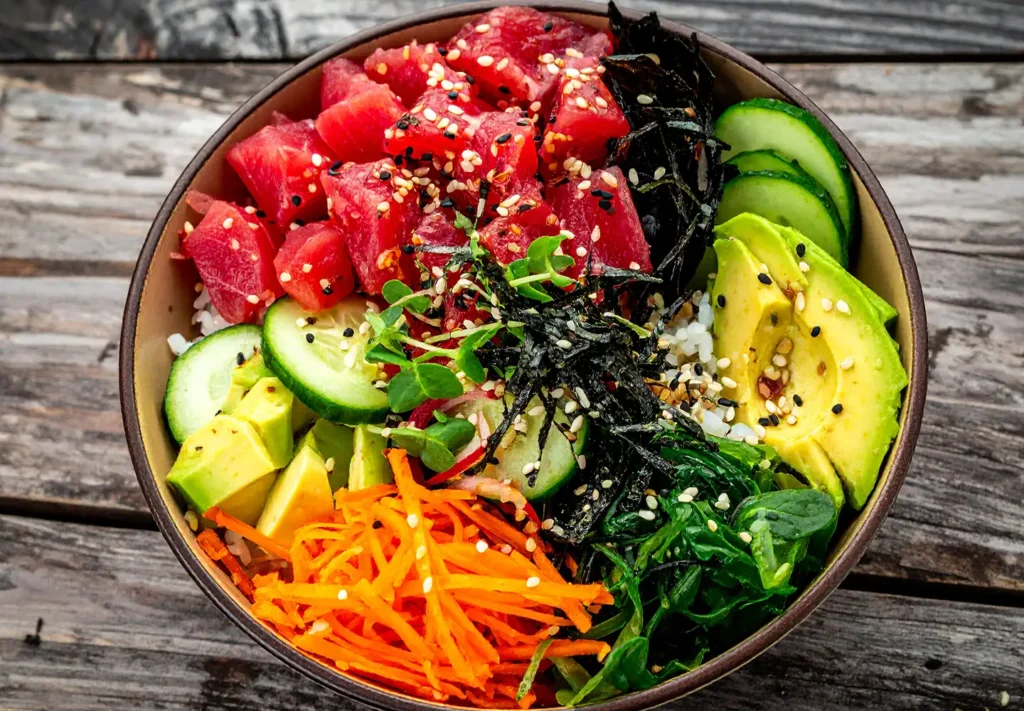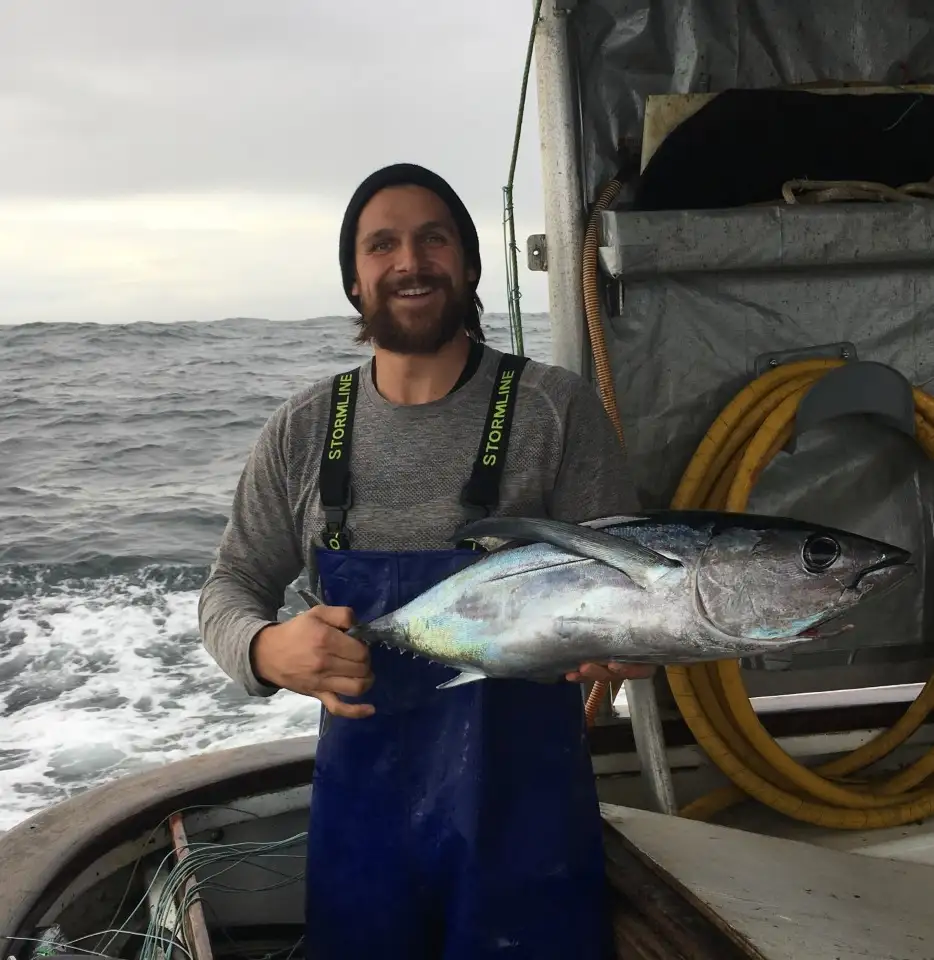
Sustainable seafood in Atlantic Canada means harvesting or farming fish, shellfish, and seaweed in a way that protects ecosystems while supporting future generations. It keeps our oceans healthy and ensures coastal communities can continue to thrive.
What does sustainable seafood entail?
Sustainability in seafood is grounded in three principles:
- Healthy fish stocks: Harvests must allow populations to rebound naturally. The Marine Stewardship Council (MSC) sets one of the most widely recognized benchmarks for this.
- Minimal environmental impact: Fishing and farming practices should reduce bycatch, avoid damaging habitats, and protect marine ecosystems.
- Effective management: Strong governance and science-based quotas ensure fisheries can adapt to change.
Third-party certification programs, such as the Marine Stewardship Council (MSC), the Aquaculture Stewardship Council (ASC), and Canada’s Ocean Wise Seafood Program, help consumers know when seafood truly meets sustainability standards.
How to Recognize Sustainable Seafood Labels
Seafood labels can be confusing, but a few trusted symbols make it easier to choose responsibly:
- Marine Stewardship Council (MSC): The MSC blue fish label identifies wild-caught seafood from fisheries that meet strict standards for stock health, ecosystem impact, and management.
- Aquaculture Stewardship Council (ASC): The ASC green label appears on farmed seafood products and signals that the farm was independently certified for responsible aquaculture.
- Ocean Wise Seafood Program: A Canadian-based program that works with restaurants, retailers, and fisheries to highlight “recommended” seafood choices based on science-backed sustainability criteria.
Each of these labels helps consumers make informed choices, while supporting fisheries and farms committed to sustainability.
Lessons from Atlantic Canada’s past: The Cod Collapse
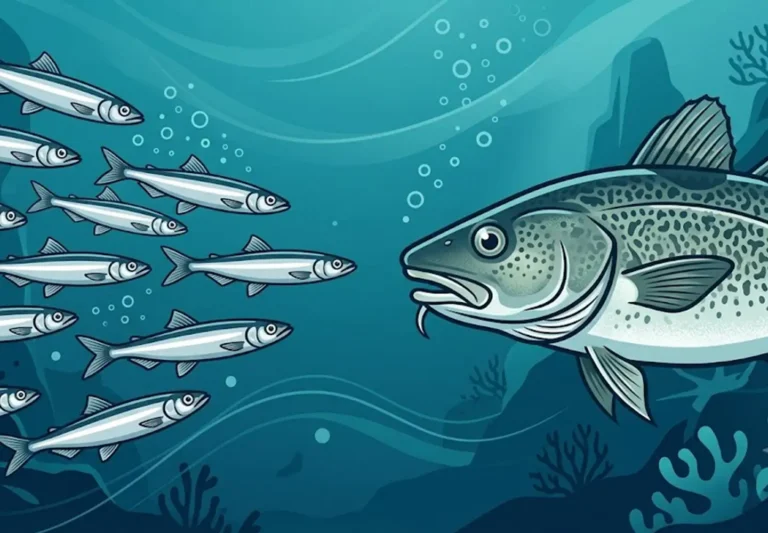
In the early 1990s, Canada faced one of the most famous examples of overfishing: the Atlantic cod collapse.
- Cod stocks were once abundant, supporting thousands of families in Newfoundland and Nova Scotia.
- Years of overfishing led to a moratorium in 1992 that put 30,000 people out of work overnight.
- More than 30 years later, cod populations have not fully recovered.
This history shows why sustainable seafood in Atlantic Canada is essential. Without it, coastal livelihoods and ecosystems collapse together.
Why sustainable seafood in Atlantic Canada matters
Seafood is central to Atlantic Canada’s economy and identity.
The industry supports more than 24,000 jobs and contributed $6.1 billion in exports in 2024, according to the Government of Canada’s seafood trade statistics. Lobster, snow crab, and mussels are major exports, but they are also staples that provide food security for local communities.
Consumer demand is also changing. A 2024 study published in MDPI’s Sustainability journal found that 74% of Canadians prefer seafood that is locally harvested and sustainably certified.
For customers looking to act on those preferences, we offer a seafood delivery service that brings traceable, sustainable seafood to your door.
Aquaculture and innovation in Atlantic Canada
While wild fisheries remain vital, aquaculture is increasingly important in the region’s food supply. When managed responsibly, it reduces pressure on wild stocks.
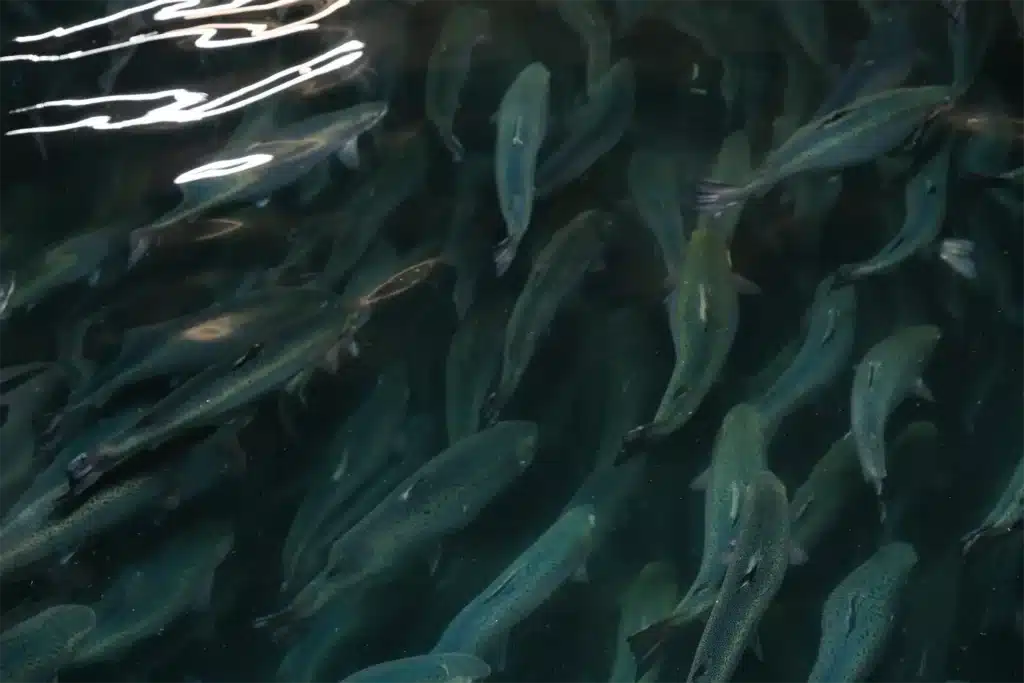
One leading example is Sustainable Blue, a Nova Scotia company pioneering land-based, closed-containment salmon farming. Their system eliminates the risk of escapes, recycles water, and minimizes environmental impact.
The Atlantic Canada Opportunities Agency has recognized the importance of projects like these, investing in innovation to support the long-term growth of aquaculture in the region.
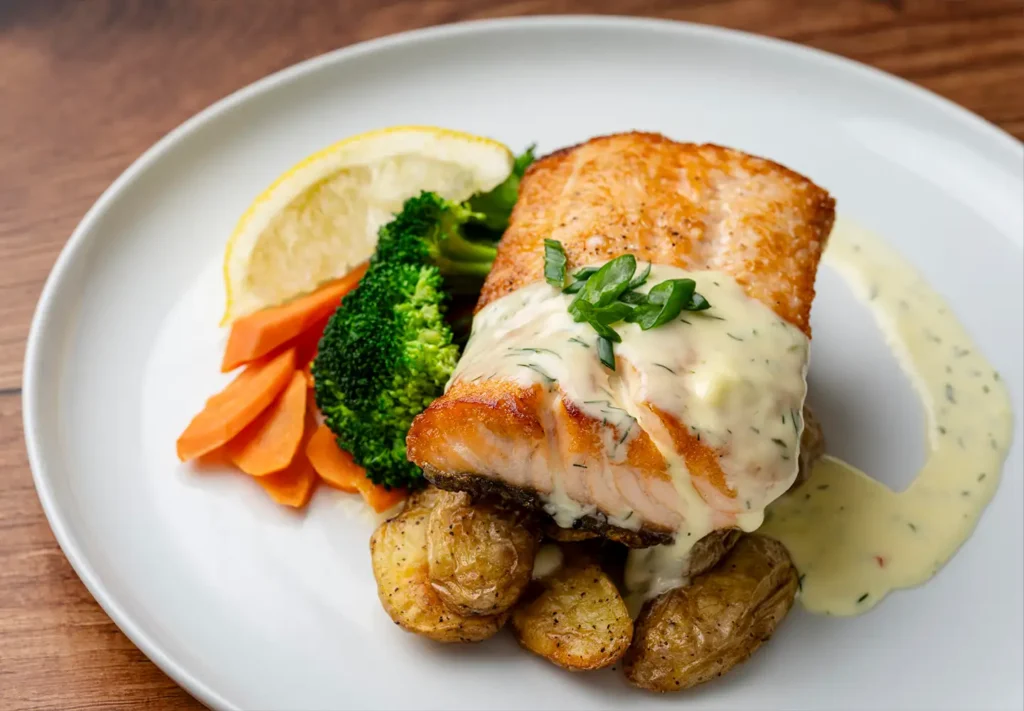
You can taste the difference by ordering salmon from our Sustainable Blue store, which brings this innovative approach directly to your table.
Climate and oceans: Why sustainability matters even more
Climate change is already reshaping Atlantic Canada’s fisheries.
- Warming waters are pushing lobster habitats northward.
- Ocean acidification makes it harder for mussels and oysters to form shells.
- Seaweed aquaculture absorbs carbon and helps buffer local ecosystems.
The U.S. National Oceanic and Atmospheric Administration (NOAA) Fisheries Climate Change overview explains how warming waters, ocean acidification, and shifting marine habitats are affecting marine ecosystems and fishing communities globally, a trend already felt in Atlantic Canada.
Cultural importance of seafood in Atlantic Canada
Seafood is more than an industry here. It’s culture.
- Lobster boils and mussel festivals are traditions across Nova Scotia, PEI, and New Brunswick.
- Mi’kmaq stewardship practices emphasize respect and balance, shaping modern sustainable management.
- Fishing families pass down knowledge through generations, linking sustainability with heritage.
You can see one example of seafood’s cultural importance at the Nova Scotia Lobster Crawl Festival.
We bring this culture to your table with Atlantic Canadian recipes featuring local catches.
How you can make a difference
Every purchase is a vote for the ocean. Here are three simple ways you can support sustainable seafood in Atlantic Canada:
- Look for the MSC blue fish label, which appears on sustainable wild-caught seafood packaging—representing fisheries certified to rigorous standards. You’ll find guidelines on how it’s used on product packaging in the Marine Stewardship Council’s logo guide.
- Buy from community-supported fisheries, which connect you directly with harvesters and often highlight local, responsibly caught seafood. Consider joining a regional CSF, or reach out directly to nearby coastal producers.
- Choose low-impact options like seaweed, shellfish—or explore Sustainable Blue salmon for an eco-conscious choice.
At Afishionado, we carefully source sustainable seafood as part of our promise to protect ocean health. You can explore our offerings in the Afishionado online Fish Market.
Bottom line
Sustainable seafood in Atlantic Canada protects oceans, economies, and communities. By choosing certified, local, and low-impact seafood, you play a role in securing the future of our coasts.
Get started with our sustainable seafood delivery options or try cooking with our seasonal recipes.