Knowing how to tell if fish is fresh can save you from disappointing meals, wasted money, and poor-quality seafood. Fresh fish should smell clean, feel firm, and look vibrant, but those signals are not always obvious if you do not buy seafood regularly.
Fish is more delicate than most proteins. Its softer muscle structure and higher water content mean texture and flavour decline faster when handling or storage conditions slip. That is one reason two pieces of salmon or cod can look similar at the counter but cook completely differently at home.
Understanding a few reliable freshness indicators makes seafood shopping much easier. It also helps separate true quality from marketing language. In many cases, properly frozen seafood handled carefully through the cold chain can outperform fish sold as “fresh.”
Why fish freshness matters more than most people realize
Seafood changes quickly after harvest.
Fish muscle contains less connective tissue than beef or chicken, which gives seafood its delicate texture. It also means enzymes and bacteria can break tissue down faster if temperatures rise during storage or transport.
As freshness declines:
- texture softens
- moisture escapes
- fats oxidize
- flavours become duller
- cooking performance worsens
You often notice this most in the pan. Fresh fish stays firmer, releases less liquid, and flakes more cleanly. Older fish tends to shed water and turn mushy.
Temperature control matters at every stage, from harvest vessel to processor to retailer to home refrigerator. According to Health Canada seafood storage guidance, seafood should remain consistently cold to reduce spoilage and food safety risks.
This is especially important in places like Ontario, where most seafood travels long distances before reaching consumers. A well-frozen fillet processed close to harvest can easily outperform fish labelled “fresh” that spent days moving through distribution systems.
For a deeper look at freezing and seafood quality, read Afishionado’s guide to frozen fish quality: what freezing really does to seafood.
How to tell if fish is fresh by smell
The smell test remains one of the easiest and most reliable ways to judge seafood freshness. Fresh fish should smell mild and clean. Depending on the species, you may notice subtle ocean, cucumber, or seaweed aromas. What you should not smell is aggressive “fishiness.”
That strong odour develops as natural compounds break down over time. The sharper and more sour the smell becomes, the older the fish usually is.
Watch for smells that seem:
- ammonia-like
- sour
- rancid
- fermented
- overpoweringly fishy
Quality seafood should smell fresh and cold, not overwhelming.
One helpful comparison is this: fresh seafood should smell more like ocean air than a low-tide dock garbage bin.
How to tell if fish is fresh when buying whole fish
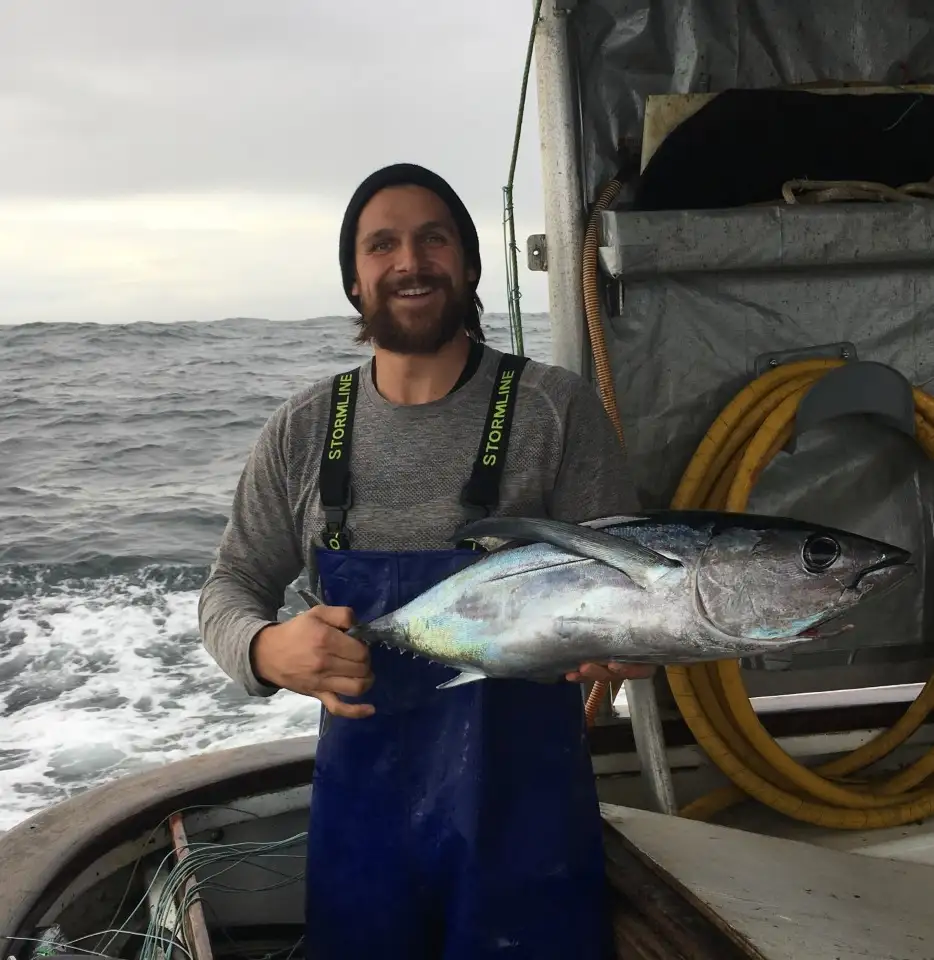
Whole fish offers more visual clues than fillets because more of the original structure remains intact.
That transparency is one reason many chefs prefer buying fish whole.
Eyes should look clear and full
Fresh fish eyes should appear:
- shiny
- hydrated
- clear
- slightly bulging
As fish ages, the eyes become cloudy and sunken because tissues gradually lose moisture.
Cloudy eyes alone do not necessarily mean unsafe fish, but they are a useful freshness indicator.
Gills should look red or pink
Gills deteriorate quickly after harvest, which makes them one of the best indicators of freshness.
Fresh gills usually appear:
- bright red
- pinkish red
- clean
- moist
Avoid fish with gills that look:
- brown
- grey
- slimy
- faded
Skin should look shiny, not dry
Fresh fish skin should appear metallic and reflective rather than dull.
Natural slime is normal. Sticky residue is not.
Look carefully for:
- drying edges
- yellowing
- cracking
- browning
- scales falling away easily
Fatty fish like salmon can oxidize more quickly if temperatures fluctuate during storage.
Texture should feel firm and springy
Press gently on the fish with your finger.
Fresh fish should bounce back quickly. If the flesh stays indented or feels mushy, quality may be declining.
This texture change happens because proteins gradually break down after harvest. The Food and Agriculture Organization explains that seafood quality depends heavily on rapid chilling and proper handling throughout the supply chain. FAO seafood handling and quality resources
How to tell if fish is fresh when buying fillets
Fillets can be harder to judge because some freshness indicators disappear once the fish is cut.
That makes storage and display conditions even more important.
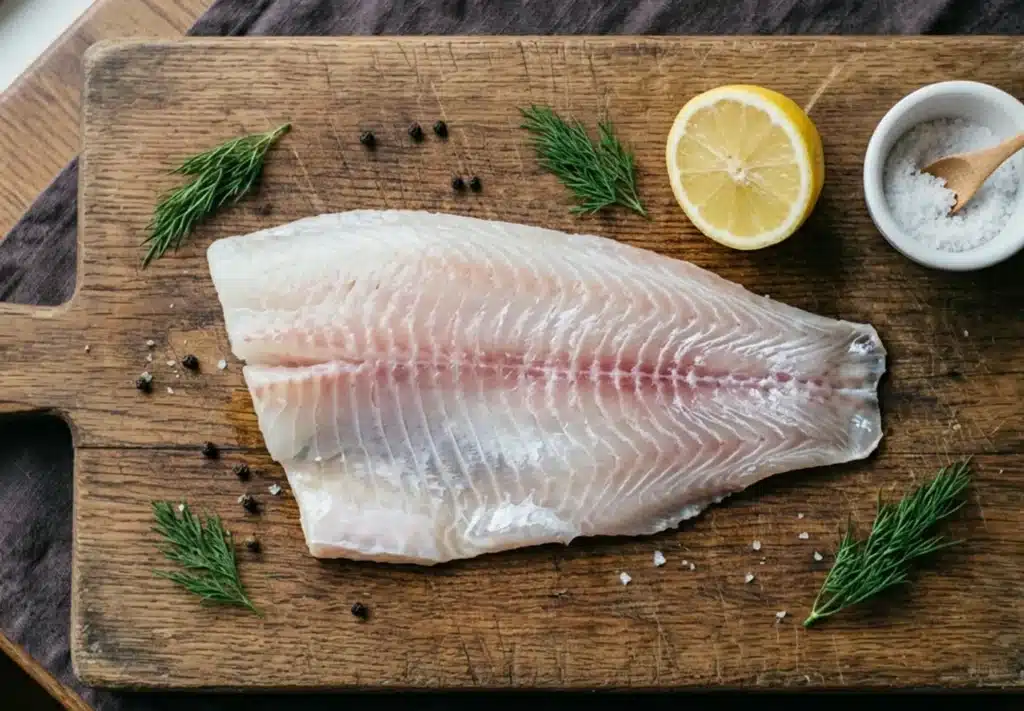
Fresh fillets should look moist but not excessively wet. A small amount of liquid is normal. Pools of milky fluid often indicate protein breakdown and moisture loss.
Fresh fillets should also have:
- clean surfaces
- firm texture
- minimal separation between muscle layers
- no strong odours
- no browning around edges
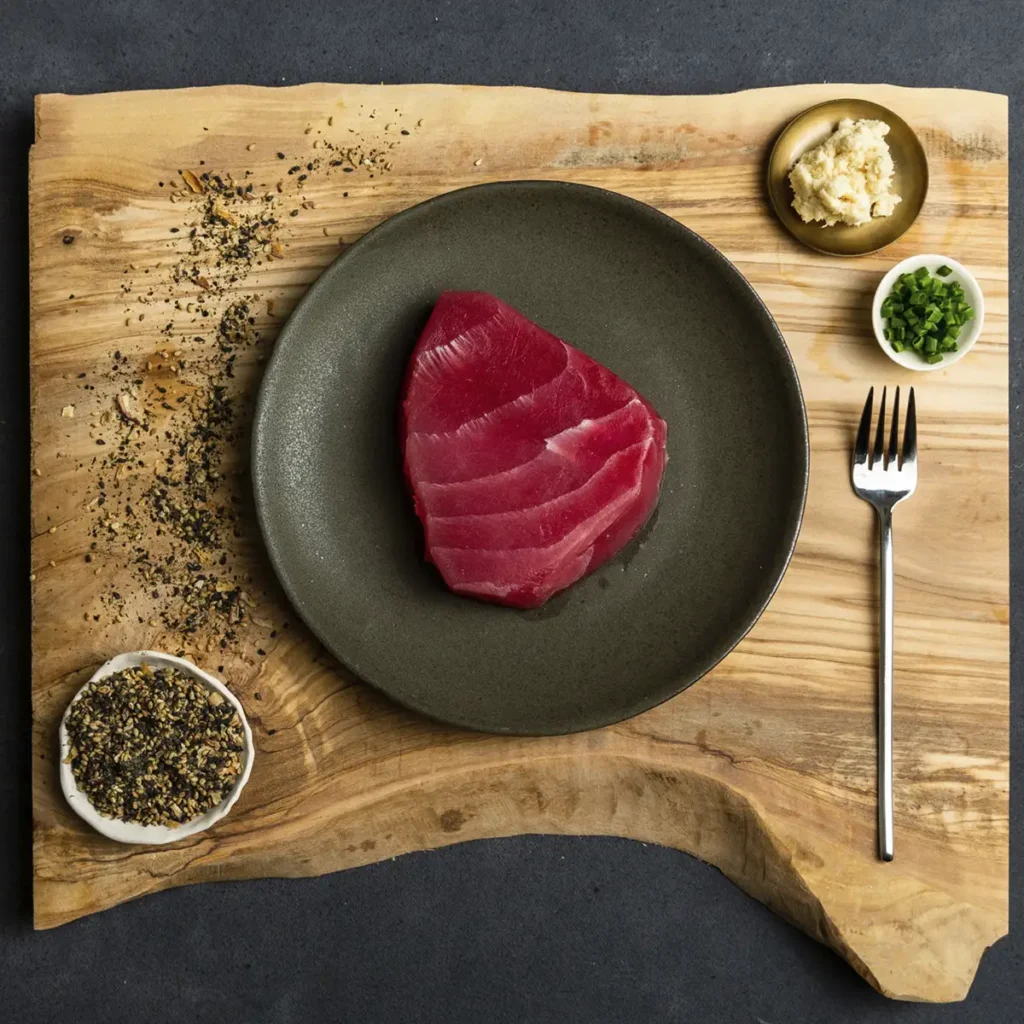
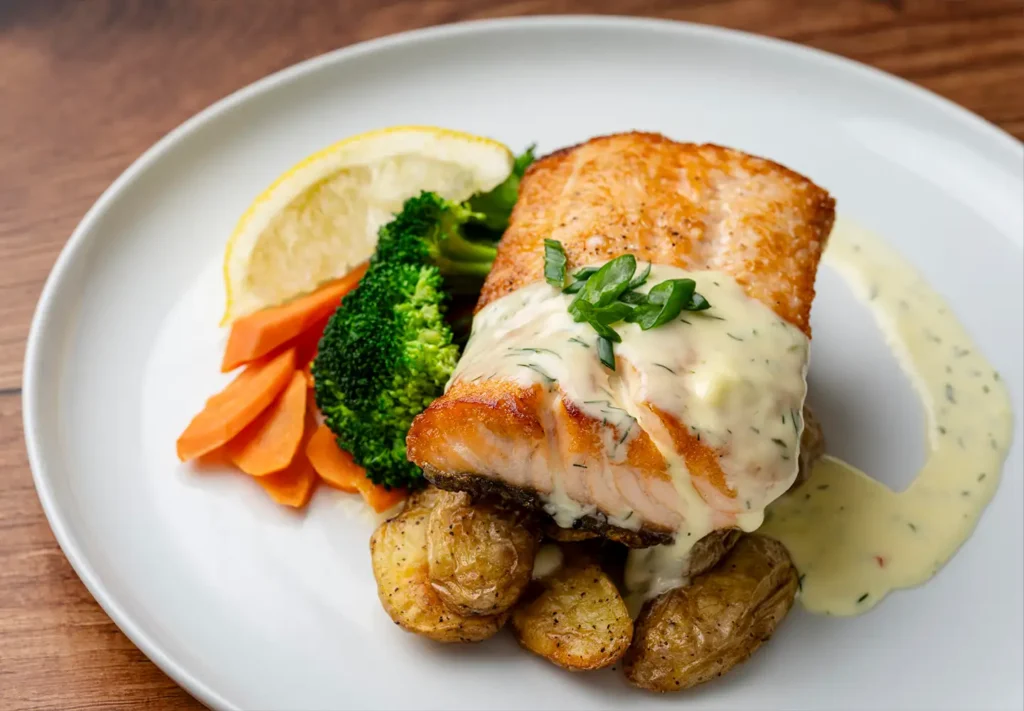
Colour matters too, but context matters more. Fresh Atlantic salmon should look vibrant, though colour naturally varies by diet and species. Cod and haddock should appear clean and slightly translucent rather than dull or yellowing.
Pay attention to the display itself. Fish packed properly on ice generally maintains quality better than seafood exposed to warm air and bright retail lighting for long periods.
How to tell if fish is fresh versus simply labelled “fresh”
This is where many seafood myths begin. People often assume frozen fish is automatically lower quality than fresh fish. In reality, freezing can preserve seafood extremely well when done correctly.
Modern flash freezing happens very quickly, which helps form smaller ice crystals inside the fish. Smaller crystals cause less damage to muscle tissue and help preserve texture and moisture.
According to Health Canada food storage guidance, keeping food frozen at -18°C (0°F) or colder slows bacterial growth dramatically and helps preserve food safely for extended periods, although quality can still decline over time.
What affects seafood quality most is not simply whether it was frozen. The bigger factors include:
- handling practices
- freezing speed
- storage temperatures
- transportation
- cold-chain consistency
- thawing methods
In Ontario especially, much seafood sold as fresh was previously frozen anyway. That is not necessarily a bad thing. In many cases, freezing close to harvest preserves quality far better than extended transport under refrigeration.
Think about seafood like berries.
A raspberry picked nearby yesterday may be excellent. A raspberry transported for a week across multiple warehouses probably isn’t. Fish behaves similarly and this is especially true for delicate seafood like haddock, cod, shrimp, and salmon.
Afishionado’s frozen seafood focuses heavily on handling, sourcing transparency, and cold-chain management because those factors shape quality far more than marketing labels.
If you buy frozen seafood, our guide on how to thaw frozen fish without ruining it explains how to preserve texture during thawing.
Questions worth asking your fishmonger
A good fishmonger should answer questions confidently and clearly. You do not need to sound like a chef. Even basic questions reveal a lot about quality and transparency.
Useful questions include:
- When did this fish arrive?
- Was it previously frozen?
- Where was it sourced?
- How should I store it?
- When should I cook it by?
- Has it stayed on ice continuously?
Pay attention to how comfortably the seller answers. Retailers who prioritize seafood quality usually enjoy discussing sourcing and handling because they know those details matter.
How to store fish properly after buying it
Excellent seafood can lose quality quickly if stored poorly at home. Fish should stay as cold as possible without freezing unless you plan to freeze it intentionally.
For refrigerator storage:
- Keep seafood around 0°C to 2°C (32°F to 36°F)
- Store it in the coldest part of the fridge
- Place it over ice if possible
- Use within 1 to 2 days for best quality
One simple restaurant technique is storing fish over a bowl of ice so meltwater drains away instead of collecting around the fillet.
If freezing seafood:
- wrap tightly
- reduce air exposure
- freeze quickly
- keep temperatures at -18°C (0°F) or colder
Repeated thawing and refreezing damages seafood texture because expanding ice crystals puncture delicate muscle tissue.
If you are unsure how long seafood lasts after purchase, read Afishionado’s guide on how long fish lasts in the fridge.
Common myths about fresh fish
“Fish should smell strongly fishy”
Fresh seafood should smell mild and clean, not overpowering.
Strong odours usually signal deterioration rather than freshness.
“Frozen fish is poor quality”
Properly frozen seafood can be excellent.
In many inland markets, freezing is what allows seafood to maintain high quality during transportation.
“Colour tells you everything”
Colour helps, but smell and texture are often more reliable indicators.
Lighting and packaging can also affect how seafood appears in stores.
“Previously frozen fish is bad”
Previously frozen seafood can be extremely high quality when thawed correctly.
Handling and temperature consistency matter more than whether freezing happened at all.
“Farmed fish is less fresh”
Freshness depends more on logistics and handling than farming status.
Poorly handled wild fish can easily arrive in worse condition than responsibly farmed seafood managed carefully throughout transport.
If sustainability matters to you, Afishionado’s article on what sustainable seafood means for Atlantic Canada explains how sourcing, fishery management, and transparency all connect.
The bottom line on choosing quality seafood
Once you understand how to tell if fish is fresh, seafood shopping becomes much less intimidating. You start recognizing patterns. Clean smell. Firm texture. Bright appearance. Proper storage. Transparent sourcing. Those signals matter far more than marketing terms.
The biggest misconception in seafood is that “fresh” automatically means better. In reality, quality depends on handling, temperature control, transportation, and timing throughout the supply chain. That is especially true in Canada, where geography makes cold-chain management incredibly important.
Well-handled frozen seafood can deliver excellent flavour, texture, and nutrition. Poorly handled fresh fish cannot. Whether you are cooking Atlantic salmon, cod, shrimp, mussels, or family-friendly breaded haddock, the details behind storage and handling shape the final result far more than most people realize.
Not medical advice. Always follow current food safety guidance when storing and preparing seafood.