Seafood mislabelling in Canada
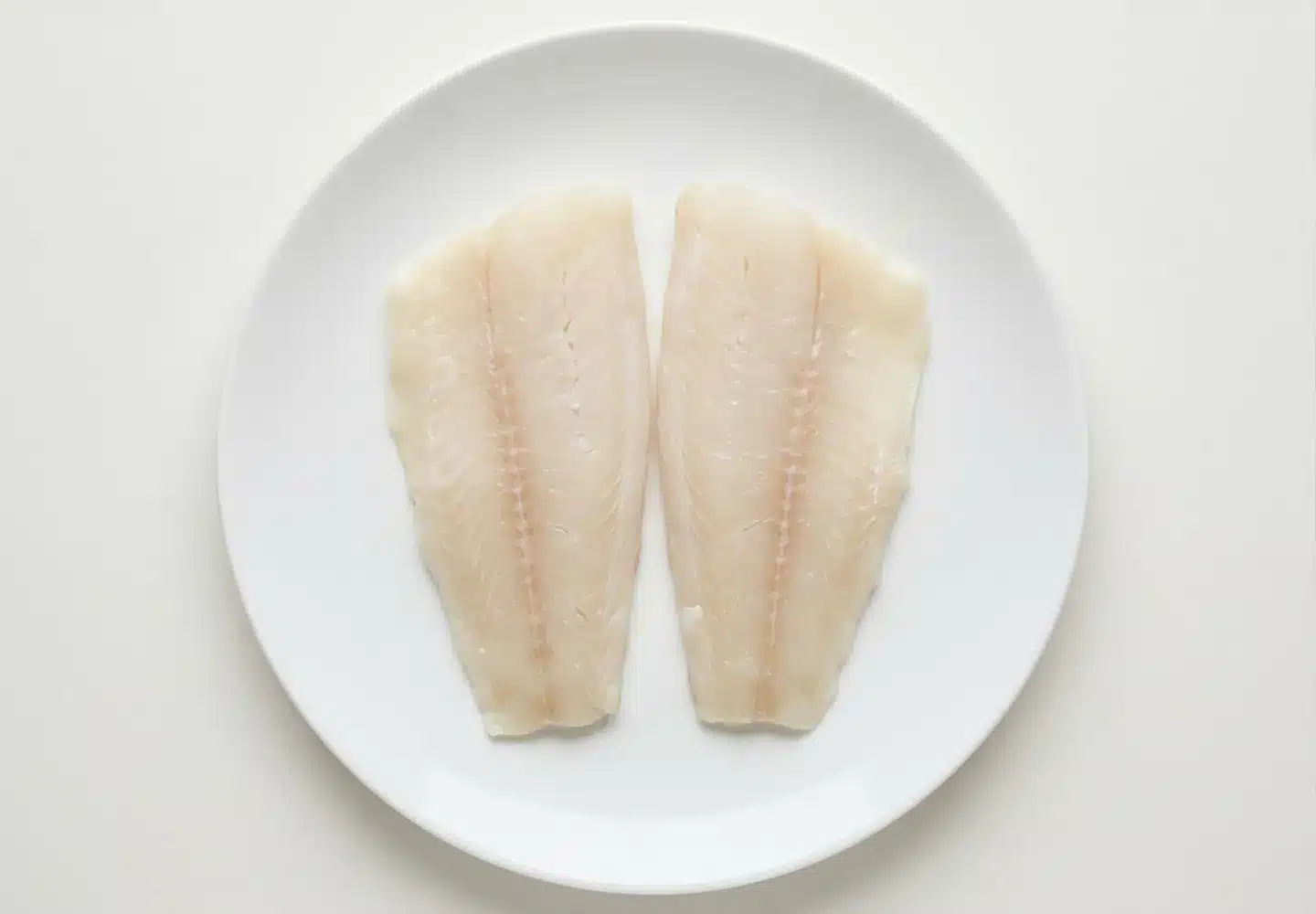
DNA testing has repeatedly found that close to half the seafood sampled in Canada is not the species on the label. The number is bad. What is more useful is where it concentrates, because that part is actionable.
Fishmongers • HFX • NS
Fishmongers • HFX • NS
DNA testing has repeatedly found that close to half the seafood sampled in Canada is not the species on the label. The number is bad. What is more useful is where it concentrates, because that part is actionable.
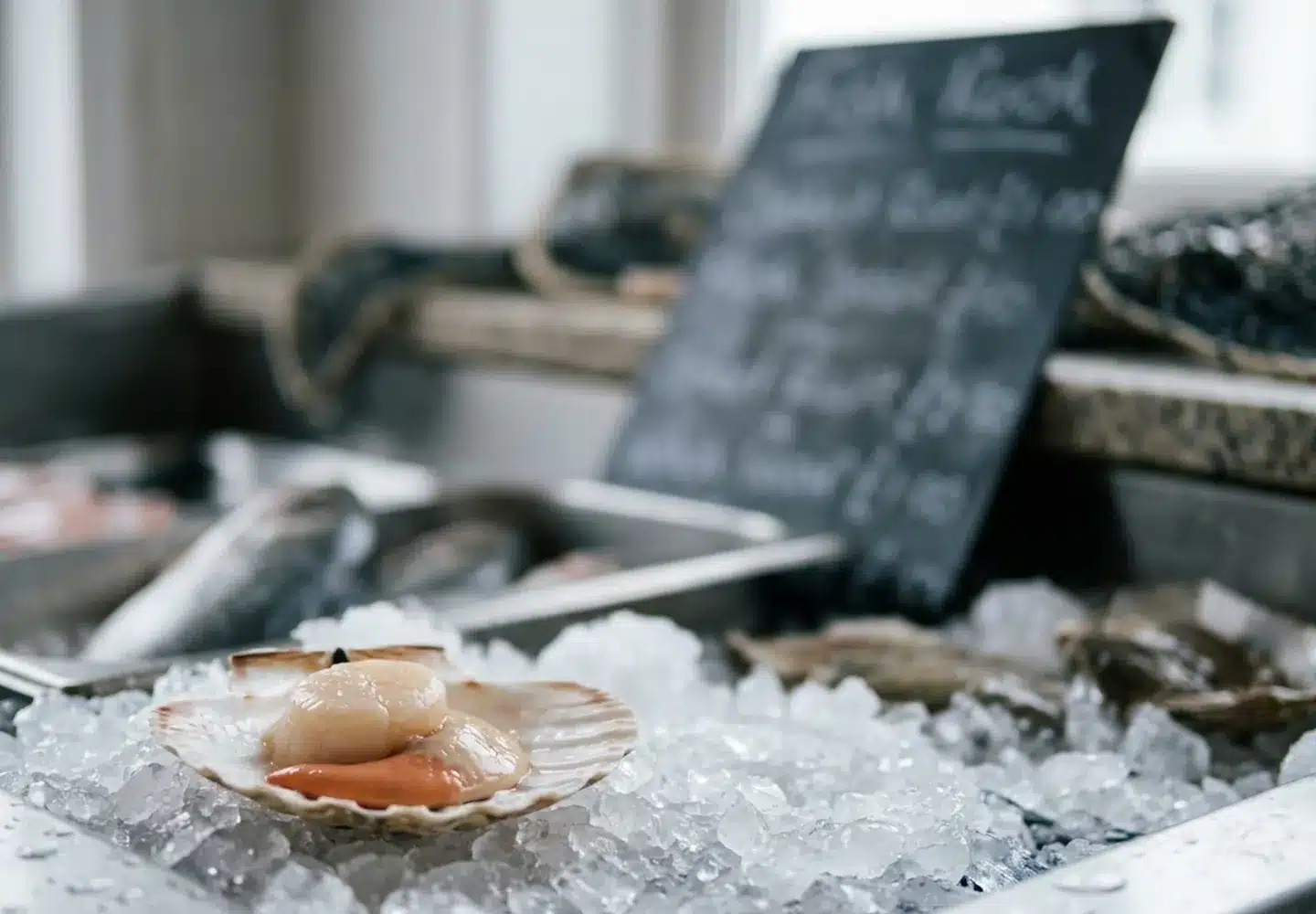
Ocean Wise recommended is the lowest bar we will sell under, not the highest thing we can say about a fish. Here is what the labels actually promise, what they deliberately leave out, and the questions worth asking after the logo.
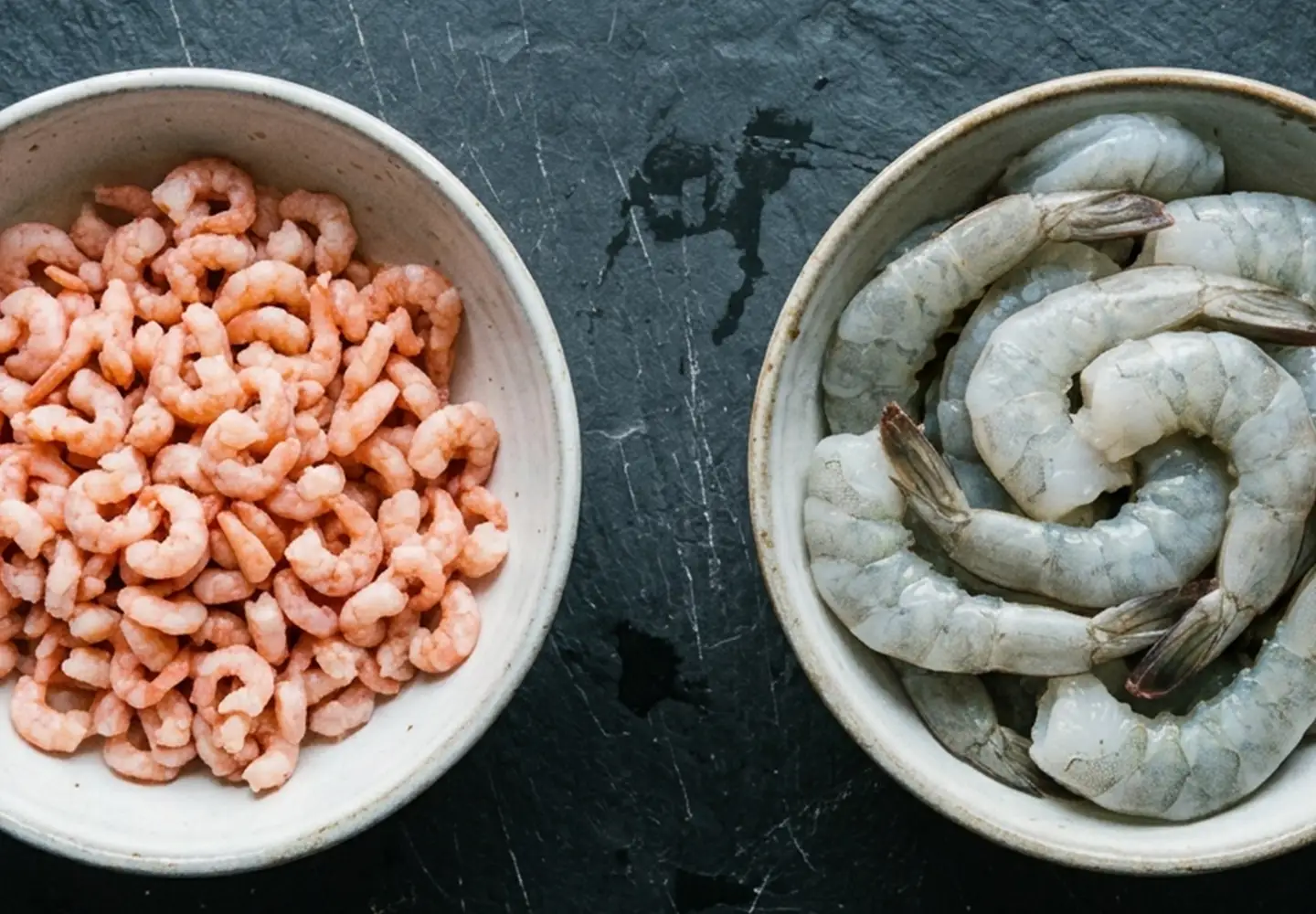
Where does shrimp come from? Ours comes from two very different places, one wild and one farmed. Here is what sits behind each bag, and why the country on the label tells you less than you would think.
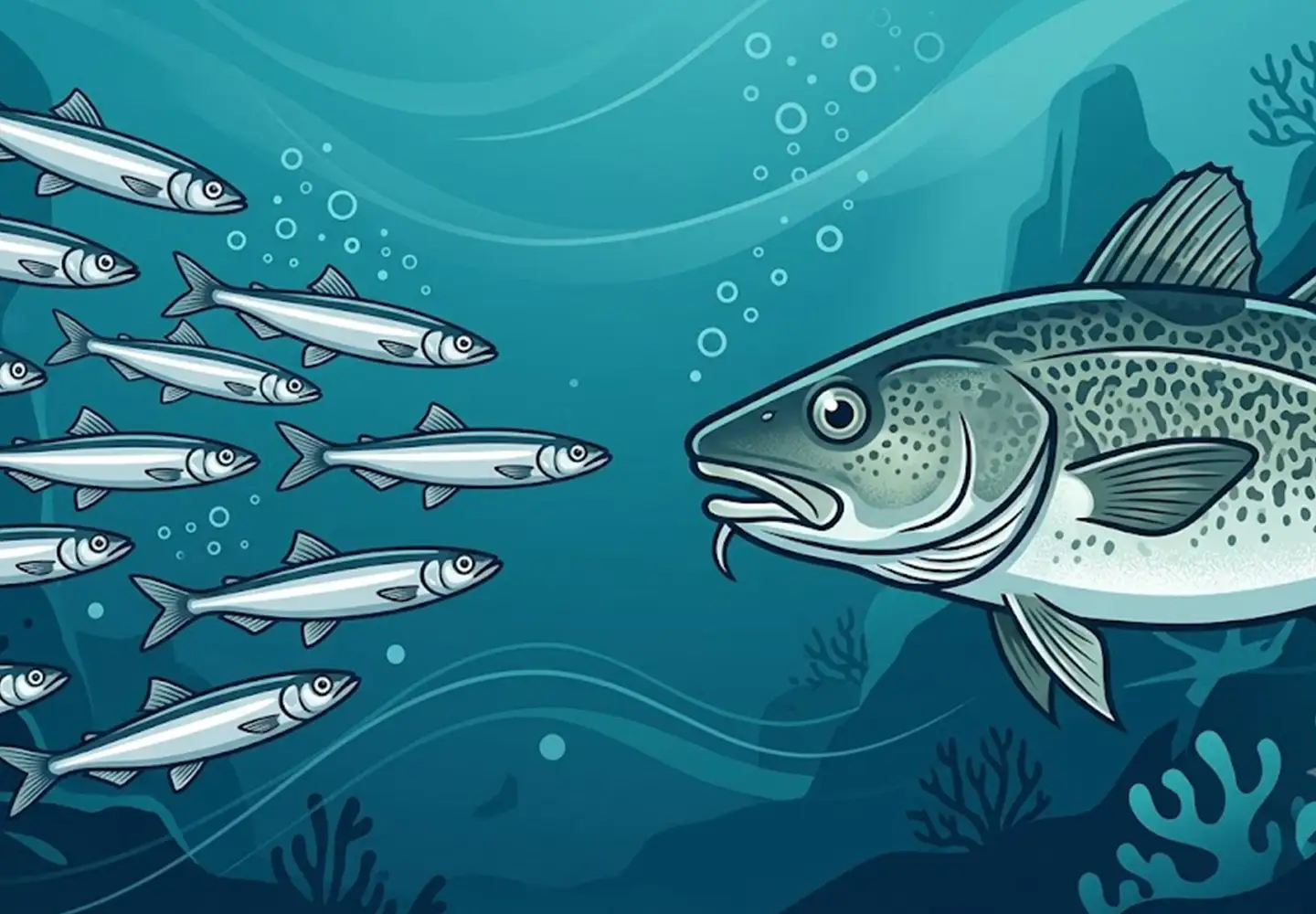
Capelin and cod tell one story, not two. The small forage fish is the main prey for Northern cod, which is why Canada is holding the capelin line as the cod recovers, and why the ocean has to be read as a system.

We carry two haddock products and they come from two different places. That's not an inconsistency. It's a sourcing decision built on the specific qualities of each fish and what it's actually being used for.

Most seafood markets in Canada carry several types of Atlantic salmon. We carry one. This article explains the standard we apply.
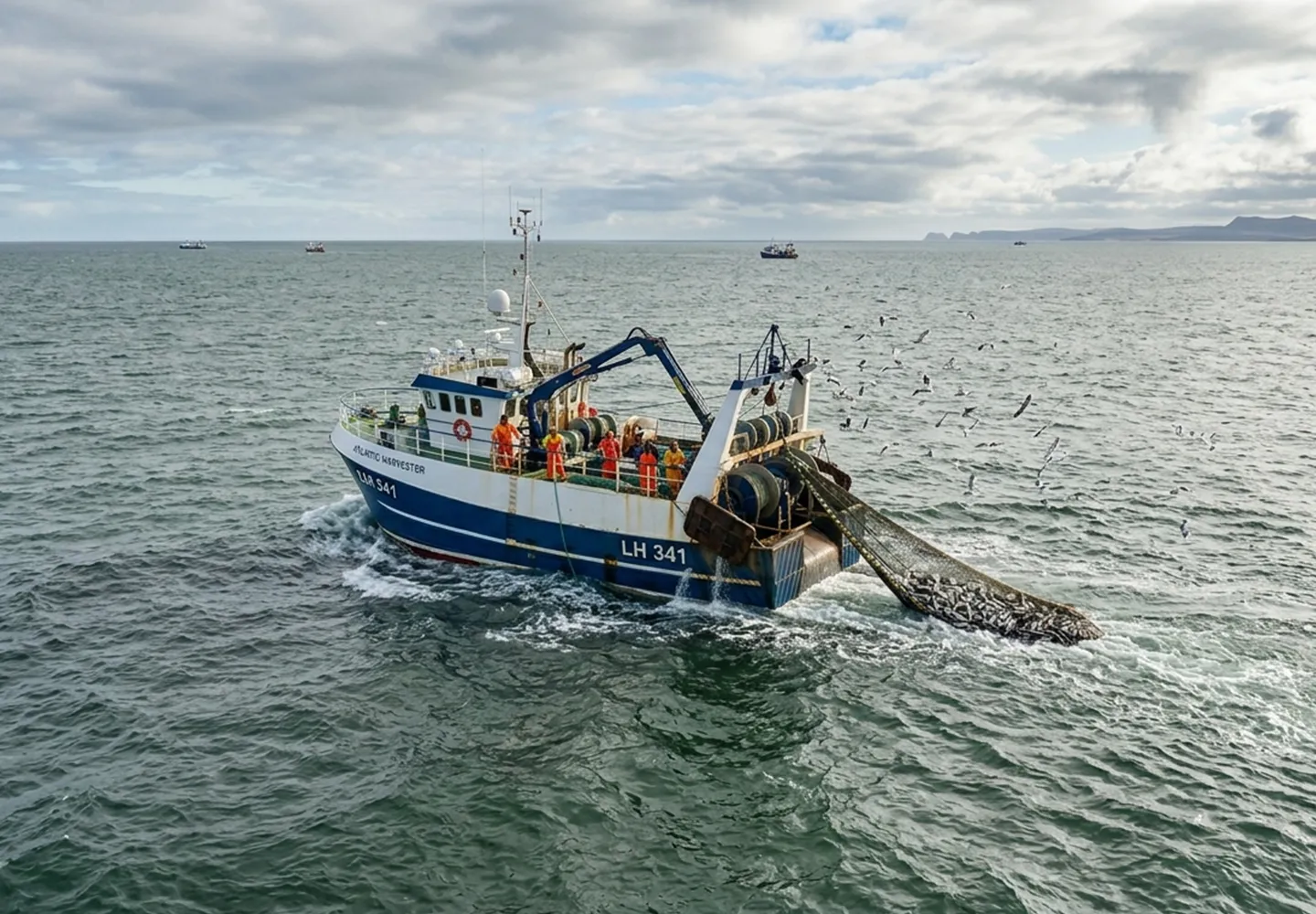
Atlantic Canada haddock nearly disappeared in 1993. Here's the recovery story, why supply is still tight, and what it means.

In a building set back from the Bay of Fundy, Atlantic salmon are swimming in saltwater tanks. They've never seen the ocean. They never will. This is land-based aquaculture.

We could carry five kinds of Atlantic salmon. We chose one. Here's the reasoning behind it.

Is local seafood always better for the environment? This guide explains how seafood carbon footprint really works.